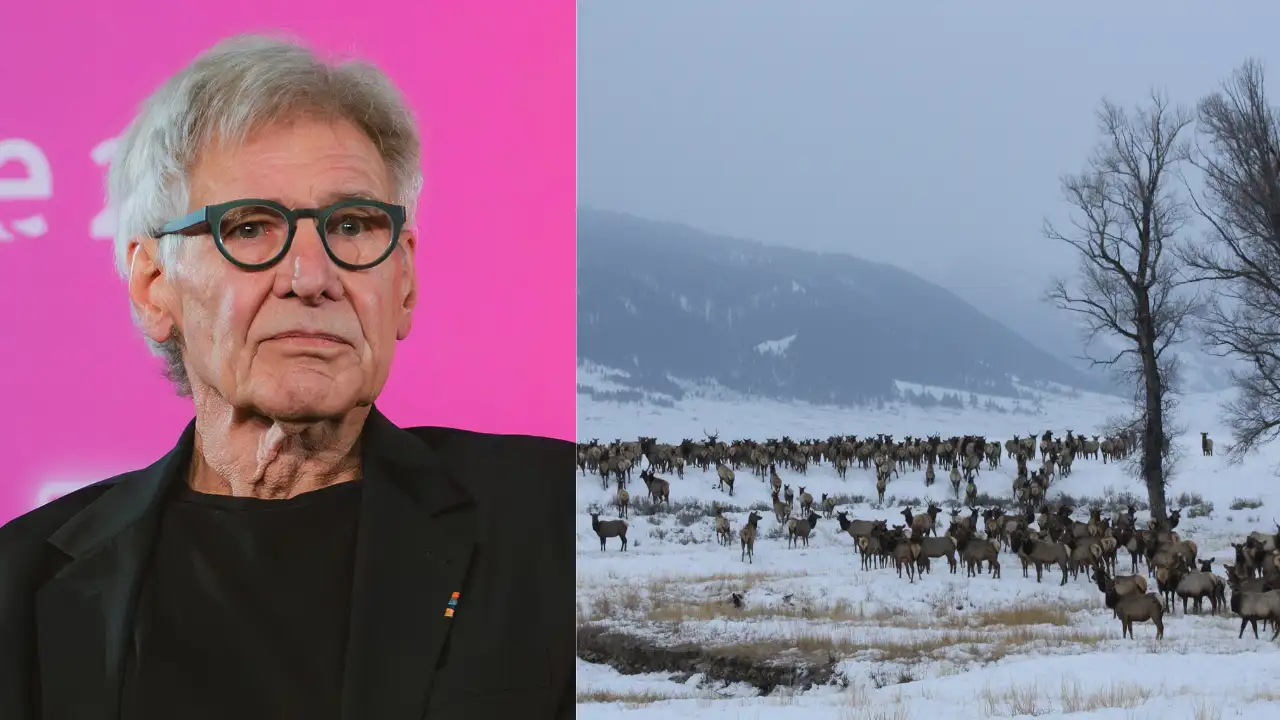
Ford was looking for a place outside Los Angeles in the early 1980s | Wikimedia Commons/Kevin Paul
Harrison Ford bought an 800-acre property in Jackson Hole, Wyoming, after he decided that the valley suited him better than Sun Valley. By the 1990s, 389 acres of Ford’s ranch had been placed into a perpetual conservation easement, and the arrangement prevented the protected portion from being developed and kept the land available as wildlife habitat. Ford was looking for a place outside Los Angeles in the early 1980s | Wikimedia Commons/Kevin Paul Ford chose the entire 800-acre property Ford and his then-wife, Melissa Mathison, were looking for a place outside Los Angeles in the early 1980s, and initially considered properties around Sun Valley before turning their attention to Jackson Hole. The property they eventually selected covered 800 acres along the Snake River. A 1994 Los Angeles Times profile described the property as an 800-acre ranch with a family compound, guest cottages, a workshop and areas of spruce, aspen and hawthorn. Conservation easements changed what could be built Ford began donating conservation easements on his property in 1985, according to the Land Report. 389 acres were placed in perpetual protection Ford had placed 389 acres of his 800-acre ranch into perpetual trust as wildlife habitat by August 1994, according to the Los Angeles Times . XPRIZE’s biography of Ford notes that he donated 389 acres of his Wyoming property to the Jackson Hole Land Trust for a conservation easement. Ford’s 389-acre easement has a rather narrow role: it permanently restricts development on part of an 800-acre private ranch that lies within a landscape used by wildlife. The Jackson Hole Land Trust currently lists more than 20,000 acres of protected land in the Jackson Hole area, with elk, moose, mule deer and pronghorn among the wildlife species associated with those conservation areas.
Because private land is concentrated on the valley floor, where wildlife depends on open areas and connected habitat, the Jackson Hole Land Trust now says conservation easements are particularly important in Teton County. The newspaper reported that Ford planned to use only a few additional small areas for possible homes for his children.
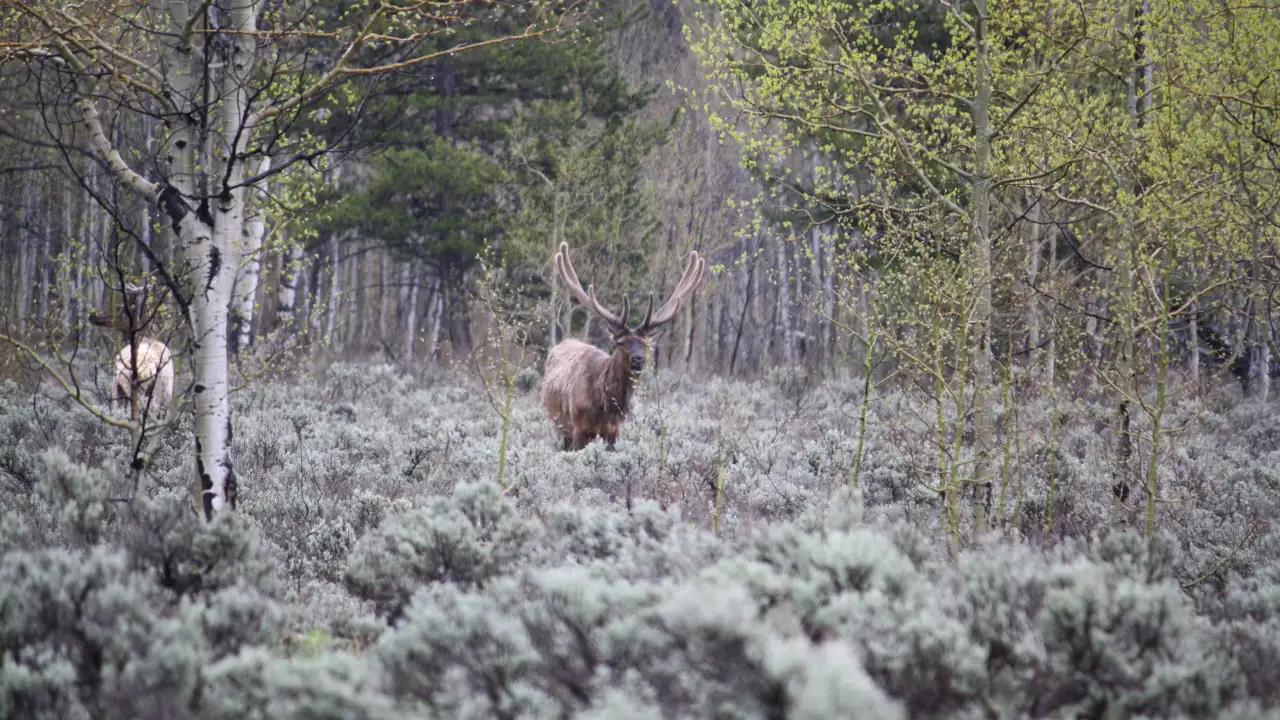
The Land Report says migrating elk and mule deer used the pastures, while the property also supported bald eagles, blue herons and native cutthroat trout. The Land Report said Ford’s conservation work on his own property was closely connected to his interest in environmental protection elsewhere. Elk and mule deer already moved across the ranch, while bald eagles, blue herons and native cutthroat trout occupied parts of the property. Ford later began placing conservation easements on the land to limit development. Ford had the option of buying only the existing house and a small surrounding parcel, but instead purchased the entire tract. He designed the main house later while working in Paris on the film Frantic, sending instructions to workers in Wyoming. The easements prohibited substantial development or other development that would impair wildlife and natural resources on the protected portions of the ranch. A conservation easement places permanent restrictions on how the land can be developed, and in Jackson Hole, such easements have become an important tool for keeping private parcels connected to surrounding wildlife habitat. The protected acreage represented nearly half of the ranch, which also covered land that wildlife already used. The Los Angeles Times described elk and other animals that moved through the property, while the Land Report specifically noted the presence of migrating elk and mule deer. Conservation easements were still relatively uncommon when Ford’s decision came, and the Land Report quoted Stephen Small, who helped write the federal tax provisions governing conservation easements, as saying that the Jackson Hole Land Trust was an early pioneer in the field. The land became part of Ford’s conservation work Ford was interested in protecting the ranch for broader involvement in environmental conservation, and he served on the board of Conservation International and later became vice chair of the organization. It also describes his long involvement with Conservation International and its biodiversity programs. His Jackson Hole ranch, however, provided a direct way to restrict development on land where wildlife was already moving. Elk in the wild | Wikimedia Commons Elk and mule deer still depend on connected habitat Elk and mule deer move between seasonal ranges across a mixture of public and private land, which make undeveloped private parcels important where they connect larger habitat areas. The Wyoming Wildlife Federation identifies migration corridors as critical areas that allow elk, mule deer and other ungulates to move between summer and winter ranges. Catch the latest World News and Live updates. Download the TOI app.