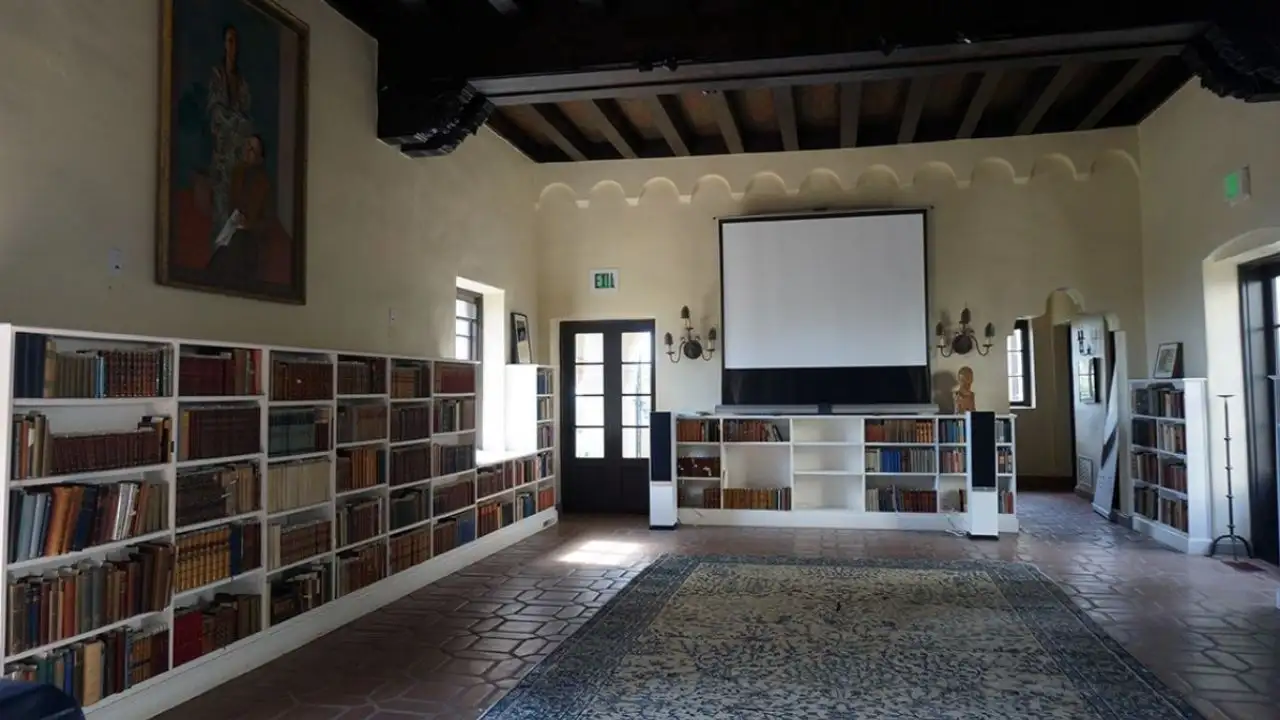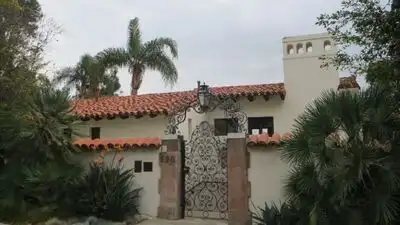
Villa Aurora was built in 1927 as a Spanish Revival model home (Photo: Daniella On Design)
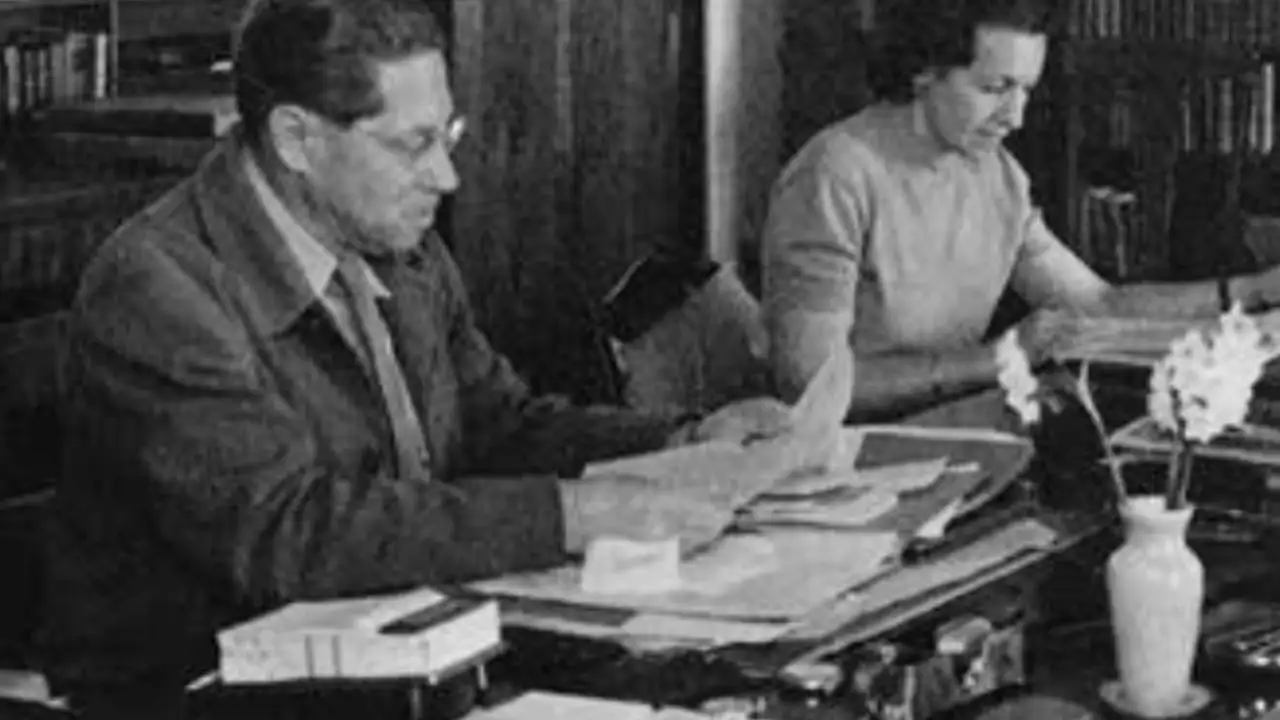
In 1943, German Jewish writer Lion Feuchtwanger and his wife, Marta, bought a crumbling mansion in Pacific Palisades, Los Angels, for $9,000. The property, now known as Villa Aurora, was built in 1927 as a Spanish Revival model home. The couple had first fled Germany in 1933 and taken refuge in Southern France. More than eight decades later, January 2025 Palisades Fire had forced it to close. From 1943 until his death in 1958, Feuchtwanger worked at the villa and wrote some of his important works there, including a novel based on Spanish painter Francisco Goya. Marta lived there until her death in 1987 at the age of 96. Under her husband’s will, the property and its 32,000-volume library of rare books went to the University of Southern California. A Berlin-based organisation called Friends of Villa Aurora eventually raised $1.9 million and bought the property from USC in 1989. A three-year renovation costing $1.6 million followed, with funding from the Berlin Lottery Foundation. Villa Aurora officially reopened in December 1995. From 1943 until his death in 1958, Feuchtwanger worked at the villa and wrote some of his important works there (Photos: VATMH) After its 1995 reopening, Villa Aurora became an international artist residency. That work was interrupted by the January 2025 Palisades Fire, which severely affected the surrounding Pacific Palisades area and forced Villa Aurora to shut its doors.
Because of Nazi persecution, the villa’s history was closely linked to the experience of German and Jewish exiles who had left Europe.
When the Feuchtwangers bought it, its remote location, wartime gas shortages and poor condition had brought its price down, according to Los Angeles Times. Villa Aurora director Joachim Bernauer said in a Los Angeles Times report, “We have a national obligation to preserve a place like this. The work included removing smoke damage from the building’s interior, carrying out toxicological and geotechnical assessments, conducting structural inspections and restoring the fire-damaged garden, according to Villa Aurora.
The couple who had fled Nazi persecution, turned the house into a gathering place for artists, writers and intellectuals. They later arrived in Los Angeles, where a growing community of European artists and intellectuals had settled. Their new home soon became part of that community and was described as a cultural hub known as ‘Weimar by the sea’. Marta Feuchtwanger also became a well-known figure in Los Angeles’ cultural circles. The couple hosted readings and tea parties attended by writers, composers, filmmakers and other prominent figures. Guests included Thomas and Heinrich Mann, Aldous Huxley, Bertolt Brecht, Charlie Chaplin and composer Hanns Eisler. Los Angeles became home to several major figures from European cultural life, including Fritz Lang, Otto Preminger, Billy Wilder, Arnold Schoenberg and Erich Wolfgang Korngold. The Feuchtwangers remained at the property for decades. That transfer, however, put the future of the house in doubt. The deteriorating building and the Feuchtwanger archive needed millions of dollars in upkeep, and USC considered selling the property. It provided a place for European writers, composers, filmmakers and visual artists to live and work while connecting with the Los Angeles cultural community. The residency also continued the house’s original role as a place for cultural exchange. Artists shared their work through screenings, exhibitions, readings and panel discussions. The programme later became a major part of Villa Aurora’s work. Artists from across Europe could apply to spend time at the residence and develop their projects. The organisation also supported writers facing persecution through the Feuchtwanger Fellowship. The villa’s also developed links with museums, universities, Jewish organisations and other cultural institutions. Its programmes included exhibitions, film screenings, lectures and discussions about exile and the Holocaust. Here, we experience 20th century German history, with its light side- the intellectual richness and its dark one- the Holocaust. It’s important that we remember what went on. The fellowship programme continued away from the property while restoration work took place. The restoration was also supported by Germany’s Federal Foreign Office.
On Sunday, Villa Aurora reopened to the public after restoration work was carried out.
Villa Aurora is reopening to the public after the January 2025 Palisades Fire forced it to close. (Photo: Daniella on design) Villa Aurora reopened to the public on Sunday with a free open house at the property at 520 Paseo Miramar in Pacific Palisades. One was a 1932 portrait of Marta Feuchtwanger. Villa Aurora has hosted nearly 500 writers, composers, visual artists and filmmakers since reopening as an international artist residency in 1995.
The event included stations across the house and grounds highlighting Villa Aurora’s programmes and cultural partnerships, My News LA reported.
We are excited to reopen the house to the public and to fully resume our work as a transatlantic cultural institution centered around the fellowship program,” Villa Aurora Director Claudia Gordon said earlier this month. “The extraordinary support and solidarity we experienced in both Germany and the United States carried us through the difficult months following the fires. The fellows are expected to return to the residence in October. It also featured the return of two historic objects that had been removed from the property for safekeeping after the fire. The other was an 18th-century Ashkenazic parchment scroll of the Megillat Esther, or Book of Esther. Catch the latest World News and Live updates. Download the TOI app.