
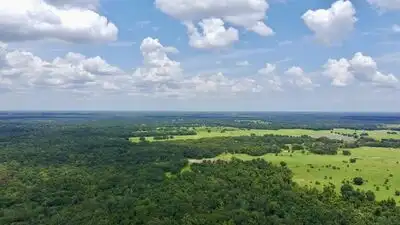
Ludwig property. Image Credit: Florida Conservation group
Because the region supplies drinking water to nearly one million residents, the wider Peace River Valley has particular importance for southwest Florida. The benefits of keeping the land intact can therefore reach downstream communities as well as the wildlife living closer to home.
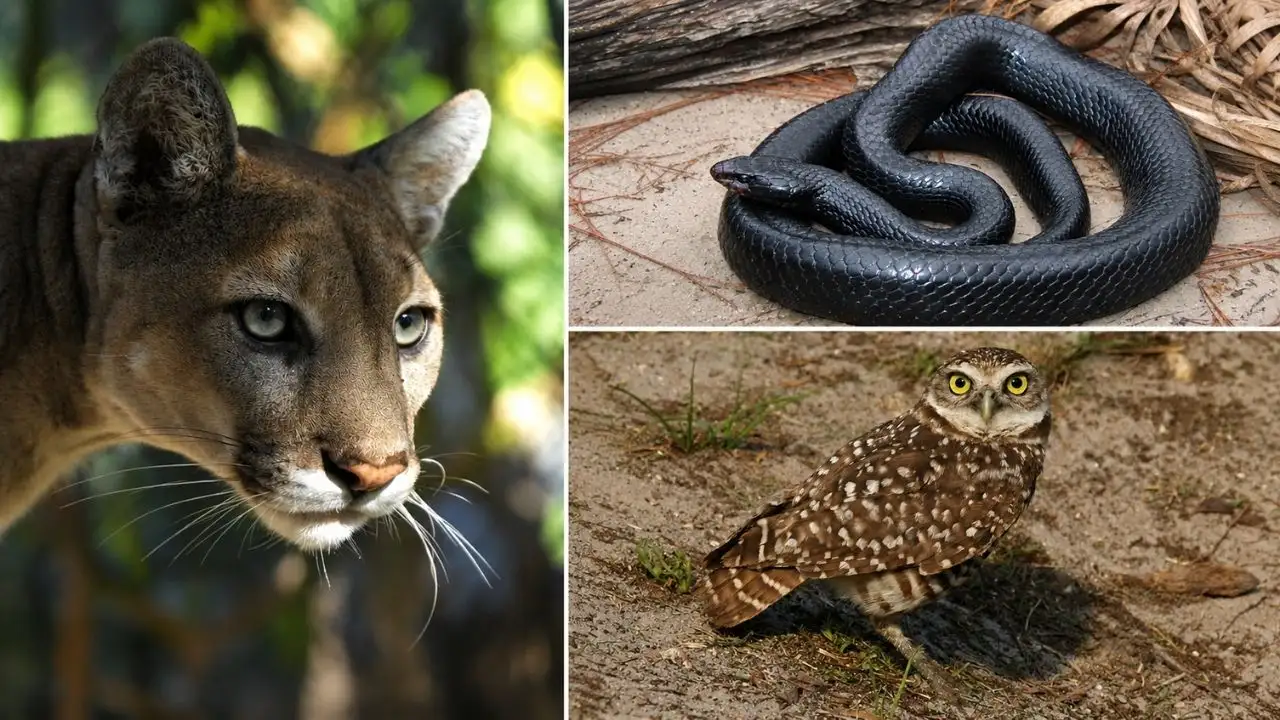
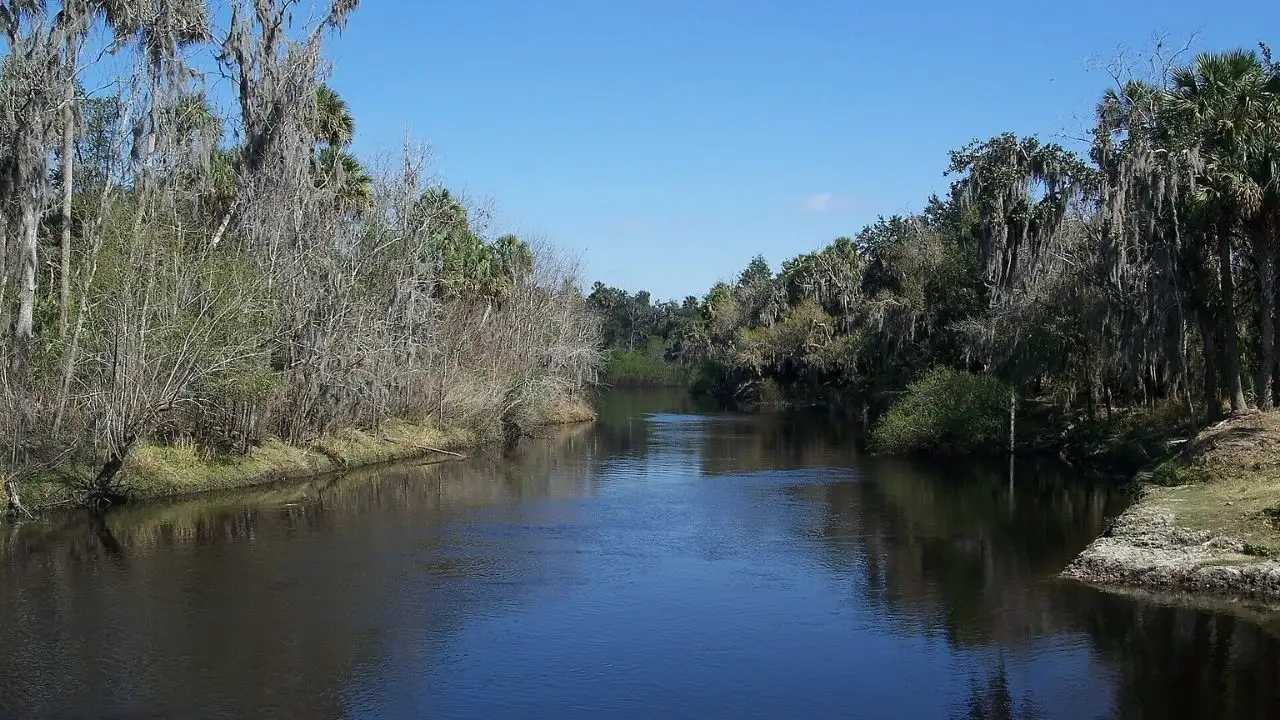
Ludwig said he wanted to contribute to protecting Florida’s distinctive natural environment and the resources that future generations will depend upon. The Florida Conservation Group says conserving the land can help improve water quality, support the replenishment of underground water supplies and reduce regional flooding. The Ludwig property is more than a working cattle ranch. Its position in the Peace River Valley makes it part of a wider network of natural habitats. The surrounding landscape provides habitat for wildlife including the Florida panther, indigo snake and Florida burrowing owl. For Ludwig, this connection between ranching and wildlife conservation is one of the most meaningful aspects of protecting the property. The land can remain productive for agriculture without losing the natural areas that support Florida’s native species. This is particularly important in a changing landscape where development can divide large natural areas into smaller and more isolated pieces. Protecting connected stretches of land gives wildlife more room to move through the wider landscape. His decision shows how private landowners can play a major role in conservation while continuing their everyday agricultural work. The importance of the Ludwig property also extends well beyond its boundaries. The ranch lies within the Brushy Creek basin and forms part of the larger Peace River Watershed. Across the property, surface waters move through mixed-wetland hardwood forests, marshes, grasslands and mesic flatwoods. These waterways eventually connect the ranch to the Peace River, Charlotte Harbor and, ultimately, the Gulf. Its waterways are also closely linked to the health of the Charlotte Harbor Estuary. For Ludwig, the knowledge that his ranch can help protect water resources far beyond his own property is a significant part of the conservation decision. Charlotte Harbor is also an important recreational fishing area and a major part of southwest Florida’s economy. Protecting the waterways that feed into it means protecting a larger system that supports both people and nature.
A 660-acre working ranch in Florida’s Peace River Valley will now remain protected for generations, preserving a landscape where agriculture, water and wildlife exist side by side. Buying the 660-acre property gave Ludwig the opportunity to run his own cow-calf operation.
The conservation effort will also help close an important gap in the Florida Wildlife Corridor, benefiting species including the Florida panther, indigo snake and Florida burrowing owl, according to the Florida Conservation Group. The Ludwig property in Hardee County sits along Brushy Creek, west of the Peace River, and contains grasslands, hardwood forests, wetlands and other important natural areas. Its owner, Keith Ludwig, spent years saving to purchase the land before placing it under a conservation easement. A first-generation rancher and lifelong oceanographic engineer, Ludwig can continue operating his cow-calf business while ensuring the property remains protected from future development. For Ludwig, owning a ranch was the result of years of planning and saving. Unlike someone born into a long-established ranching family, he became a rancher through his own efforts. The Florida Conservation Group described him as a first-generation rancher who had also spent his career as an oceanographic engineer. However, ownership also presented him with another possibility of protecting the landscape permanently rather than leaving its future uncertain. The conservation easement on the property was made possible through the Florida Department of Agriculture and Consumer Services’ ‘Rural and Family Lands Protection Program. ’ Through this arrangement, the ranch can continue operating while the land’s important natural features remain protected.
Pingback: Brother Joseph Zoettl spent the next 46 years turning a four-acre: The wider industry