
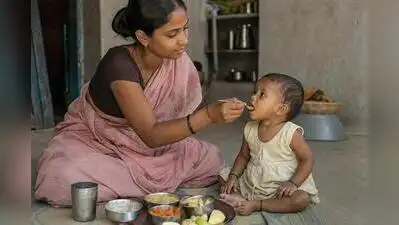
representational AI
Citing findings from the National Family Health Survey (NFHS)-6 (2023-24), they said 17.1% of children in this age group in UP receive an adequate diet, up from 5.9% in NFHS-5 (2019-21). However, 82.9% of children still do not meet the required nutritional standards. The experts said the period between six and 23 months is critical for a child’s growth and development.
Children, who do not receive a balanced diet or are fed too infrequently, face a higher risk of poor growth, infections and delayed brain development, they said. Former KGMU paediatrics department head and vice-chancellor of a private medical university Prof Shally Awasthi said adequate nutrition depends on three factors: money, knowledge and time. Families with limited incomes often struggle to provide nutritious food, she said. “Even families that have both money and knowledge may face difficulties because they do not have enough time, especially when feeding responsibilities are left entirely to caregivers,” Awasthi said. She said parents should plan their children’s meals rather than feeding them whatever is readily available.
The experts warned that poor nutrition during this crucial period can hamper a child’s growth, immunity and cognitive development. After six months of age, breast milk alone is insufficient to meet all nutritional requirements, making complementary feeding essential. At the same time, some families that can afford healthy food may not know what foods should be given to children or in what quantities. Attention should be paid to portion sizes, dietary diversity and adequate protein intake, she added. Awasthi also advised regular monitoring of a child’s height, weight and overall growth through routine health check-ups.