
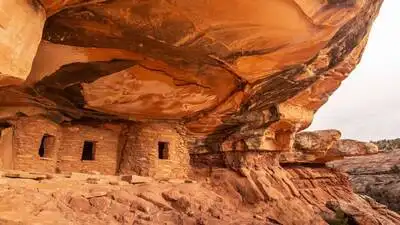
Trump opens 2.93M acres of Utah lands to new mining claims after cutting monument protections. (Photo: Shutterstock)
President Donald Trump ’s July decision to sharply shrink two major national monuments in Utah took effect for mining and mineral development on September 11, when nearly 2.93 million acres removed from Bears Ears and Grand Staircase-Escalante became eligible for new mining claims and mineral leasing. The proclamation excluded approximately 1.24 million acres from the monument. It said the excluded lands would, 60 days after the proclamation, be open to entry and disposition under public-land laws, mineral and geothermal leasing laws, and mining laws, subject to valid existing rights, existing withdrawals and applicable law. The 60-day waiting period specified in both proclamations ended on September 11, 2026. The proclamations argue that many of the resources identified in the Biden administration’s 2021 restoration of the monuments were either not sufficiently unique to warrant national-monument protection or were already protected by other federal laws. It concluded that approximately 121,096 acres would provide adequate protection. Backcountry Hunters & Anglers said the two proclamations removed nearly 2.93 million acres of national-monument protections, while other public-land groups have warned that the changes could increase pressure for mining and energy development.
Conservation and public-lands groups have said the excluded areas can now be opened to new mining claims and potential oil and gas leasing, although individual activities remain subject to other applicable laws, existing withdrawals, land-use rules and valid existing rights. Trump’s Bears Ears proclamation said the monument’s original 1.36 million-acre reservation was not the “smallest area compatible” with protecting the objects identified for preservation. The administration argued that the original boundaries were broader than necessary to protect objects of historic and scientific interest. Trump’s proclamation also pointed to deposits of critical minerals, including silver, copper, molybdenum, lead, uranium, vanadium and zinc, saying greater access to domestic resources could reduce US reliance on foreign supplies. Both proclamations also emphasized the administration’s interest in domestic supplies of critical minerals and other resources. Conservation groups have also challenged the legality and consequences of the boundary reductions.