
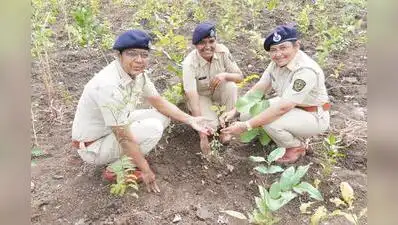
Forester Suchita Patil (Let), Forest Guard Karuna Pagare (central) and Range Forest Officer Savita Patil (right)
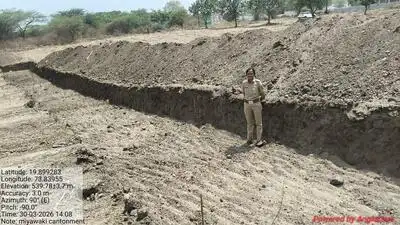
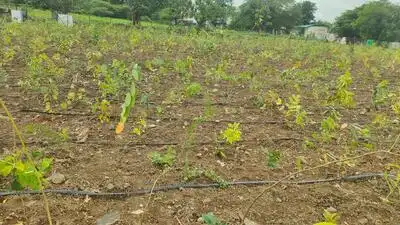
After remediation, planting was carried out across two plots covering 1.4 hectares using the Miyawaki method. More than 42,000 saplings from over 40 native species were planted in a dense four-layer structure comprising canopy trees, large trees, sub-trees and shrubs, with drip irrigation and perimeter fencing ensuring protection and survival.
Our objective was not merely to plant trees, but to rehabilitate the entire local hydrological and terrestrial ecosystem,” divisional forest officer Ganesh Randive said. “By establishing a dense multi-layered canopy, we have stopped toxic runoff into the river while creating a self-sustaining biodiversity sanctuary that will regulate local temperatures and recharge groundwater,” forester Suchita Patil said. Praising the initiative, Deolali Cantonment Board CEO Tripathi said the project had eliminated a major pollution source while creating a sustainable environmental landmark for Deolali.
For years, the site was buried under plastic and household waste, with toxic leachate contaminating runoff water, the nearby river and groundwater sources. “Transforming a degraded dumping ground requires looking beyond the immediate surface trash to address deep soil toxicity.