
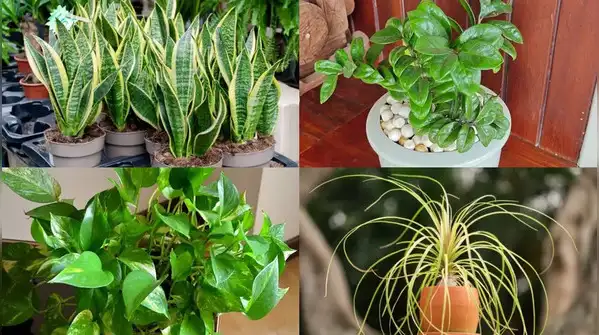
There’s a particular kind of guilt that comes with staring at a wilted, sad-looking plant on the windowsill, realising it’s been well over two weeks since you last remembered to water it. Not every plant is built to survive that kind of neglect, but a wide range of houseplants store water in thick leaves, bulbous stems, or underground rhizomes specifically so they can shrug off exactly the kind of inconsistent care most of us are guilty of. If your track record with watering schedules is patchy at best, here are the houseplants that will forgive you for it, again and again.
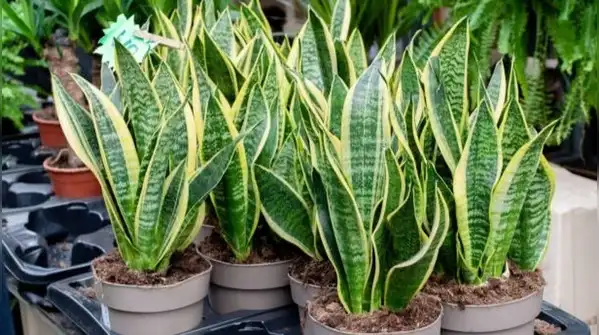
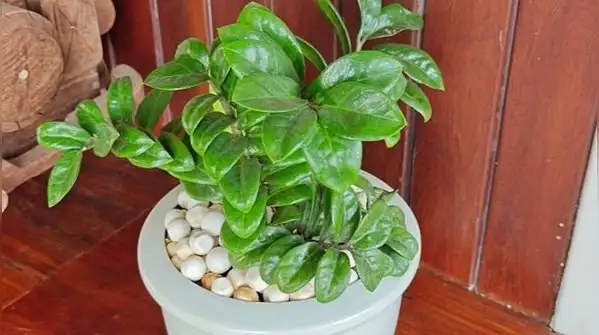
Few houseplants are as forgiving as the snake plant, capable of going weeks, sometimes genuinely a month or more, between waterings without showing much distress. Its thick, upright, sword-like leaves store moisture efficiently, and the plant tolerates everything from low light to bright indirect sun, adapting to whatever corner of the house it ends up in. If anything, snake plants are far more likely to suffer from overwatering than underwatering, so when in doubt, it’s genuinely safer to wait a few extra days before reaching for the watering can. The ZZ plant’s glossy, dark green leaves might suggest a fussier plant underneath, but it’s actually one of the toughest, most low-maintenance options around. It stores water in thick underground rhizomes, giving it a genuine reserve to draw on during long stretches without watering, and it copes well in low-light spots where many other plants would struggle. This makes it a particularly good choice for a dim corner of an office or hallway that tends to get forgotten entirely.
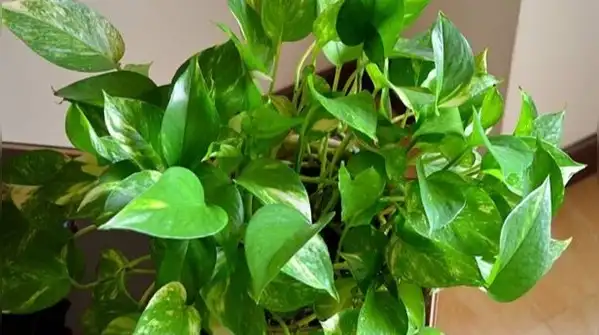
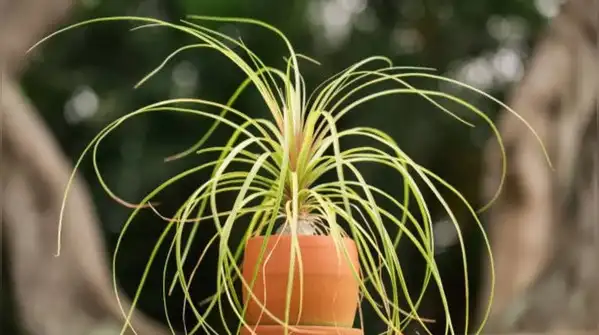
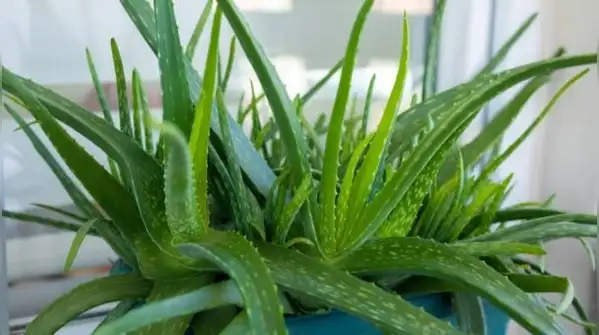
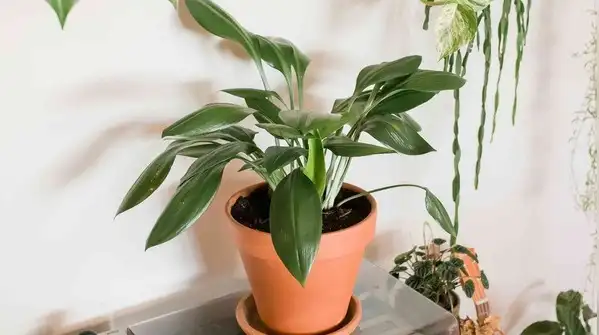
Pothos is famously forgiving, tolerating everything from bright indirect light to fairly dim corners, and it only really needs watering once the soil has properly dried out. Planting it in a well-draining mix, ideally with some coco coir or a soil conditioner worked in, gives it an even better buffer for those inevitable stretches when watering slips your mind entirely. Its trailing vines also make it one of the most versatile houseplants around, equally happy in a hanging basket, on a shelf, or climbing a small trellis. Despite the name, this isn’t a true palm; it’s more closely related to desert plants like yucca and agave, which explains its impressive drought tolerance. Its distinctive, bulbous trunk stores water the way a camel stores fat, allowing it to go extended periods with no water whatsoever, making it a genuinely ideal choice for frequent travellers or notoriously forgetful plant owners. It does need a sunny spot and sandy, well-draining soil to really thrive, but once it’s settled, missed waterings barely register. Aloe’s thick, plump leaves are built for exactly this kind of neglect, storing water efficiently enough that the plant is considered highly drought-resistant even by succulent standards. It prefers bright light and soil that’s allowed to dry out completely between waterings, making overwatering a far bigger risk to this plant than underwatering ever will be. As a genuine bonus, keeping one around means having a natural remedy on hand for minor burns and skin irritation whenever needed. True to its name, the cast iron plant is about as close to indestructible as houseplants get, tolerating neglect, low light, and even fluctuating indoor temperatures without much complaint. Its dark green, lance-shaped leaves hold up well over long stretches between waterings, and it’s genuinely difficult to kill through underwatering alone, making it a dependable choice for anyone who’s given up on keeping more delicate plants alive in the past.
This article is intended for general informational purposes only. Some plants mentioned, including snake plant, ZZ plant, pothos, and aloe vera, can be toxic if ingested by pets or children, so choose plant placement carefully in homes with curious pets or young kids. Watering needs can vary depending on light, humidity, and pot size, so it’s advisable to check soil moisture before watering rather than following a fixed schedule.