
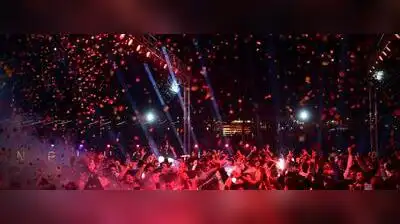
Under the new system, authorities will have to decide on normal applications within 10 days and tatkaal applications within two days for live events
Pune: State govt has introduced a single-window system to streamline permissions for live events across Maharashtra , months after the last-minute cancellation of global electronic music brand and party series Circoloco’s India debut in Mumbai had left more than 4,000 ticket-holders in the lurch in April. The SWCS brings permissions from 10 departments and agencies under one platform, including police, traffic, municipal corporation, fire and electrical safety, excise, Foreigners Regional Registration Office (FRRO), Archaeological Survey of India (ASI), education and garden departments, and the Indian Performing Right Society (IPRS) for music licences. Circoloco, scheduled for April 2026 at Jio World Garden in BKC, was cancelled after Mumbai police denied permission citing law-and-order concerns.
Welcoming the new development, event organisers said the existing system often involves weeks of chasing multiple departments, with final clearances sometimes coming just hours before an event. Ankit Goyal, owner of event management firm LightBulb Communication, said police clearance remains among the most critical permissions as several factors, including venue arrangements, are assessed before approval. In some cases, an evening event has received the final permission only on the morning of the show,” he said. With the cost of organising a concert often exceeding Rs50 lakh, including artist fees, Goyal said a single-window system would significantly ease the process for event companies. Bhagyesh Ranade of Blue Ramp Management said bookings for major concerts often begin six months in advance, while obtaining permissions can take another one to one-and-a-half months. Permissions such as those from IPRS can take longer,” he said. “I had already taken leave from office to attend the event, and the whole excitement just dissipated,” she said.
The cancellation came amid heightened scrutiny following suspected overdose deaths at a NESCO concert and highlighted the difficulties faced by organisers in securing multiple clearances from different agencies. “Organisers often have to make last-minute efforts to secure clearances. There have also been instances when permissions were denied, forcing events to be cancelled at the last minute. If there is an international artist, every single permission has to be obtained and any delay can put the entire event at risk. Citizens have also welcomed the move, saying last-minute cancellations can disrupt plans. Pallavi Sakhre, a Hadapsar resident, recalled booking tickets for an event that was later cancelled over permission issues.
“Even when we apply a month before the event, permissions are often cleared only in a last-minute rush.