
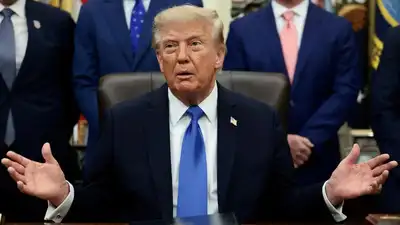
Trump signed an executive order in March directing the USPS to introduce new requirements for election-related mail
Boston-based federal Judge Indira Talwani blocked the order on September 4, ruling that its implementation ahead of the November election could cause significant disruption. Trump signed an executive order in March directing the USPS to introduce new requirements for election-related mail, including unique barcodes on ballot envelopes and the creation of an online portal containing information about voters receiving mail ballots. The ruling capped a flurry of legal action just weeks before voters decide which party will control Congress. Several states have already begun sending mail ballots to voters, making a last-minute overhaul of the system particularly disruptive. The administration argued that the measures were necessary to protect election integrity and combat fraud. Trump has repeatedly criticised mail voting and has claimed, without evidence, that it can enable non-citizens to vote and is vulnerable to fraud. Twenty-three states and Washington DC challenged the order, arguing that it infringed on their constitutional authority to administer elections. They also warned that implementing the changes so close to the midterms could disrupt established voting systems and disenfranchise voters.
In a major setback for US President Donald Trump, the US Supreme Court on Monday rejected his administration’s bid to impose new restrictions on mail-in voting ahead of the November midterm elections, allowing states to continue using their existing ballot procedures. A US appeals court last week declined to suspend her order, while another federal judge, Carl Nichols, also ruled against Trump’s plan on Sunday.