
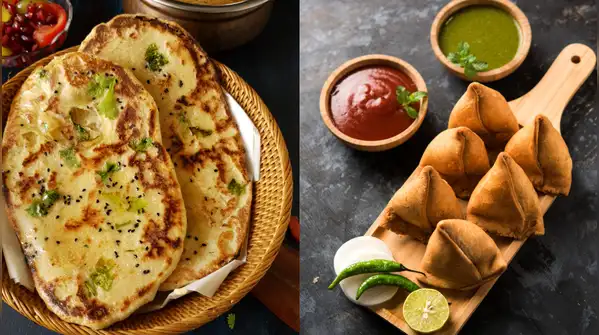
Indian food is often described as one of the world’s oldest and most diverse culinary traditions, but it has never developed in isolation. Traders, travellers, dynasties and colonisers brought new ingredients, techniques and recipes to the subcontinent. Indian cooks then did what they have always done best: adapted them.
The result is a fascinating collection of dishes that may feel completely Indian today, even though their stories begin elsewhere.
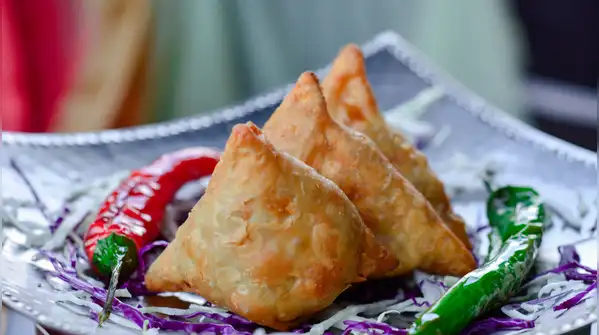
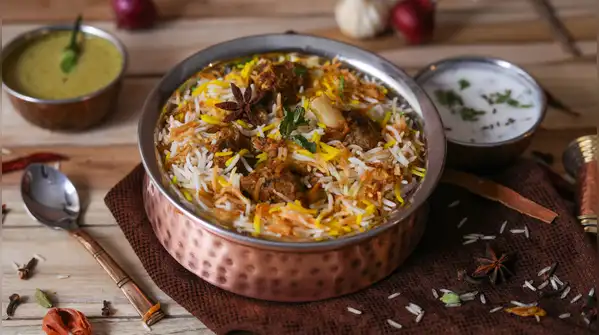
The crisp, triangular samosa is almost inseparable from Indian street food, but its early relatives came from West and Central Asia. Known by names such as sambosa, the stuffed pastry travelled east along trade routes. In India, it was transformed with spices and the now-iconic potato, pea and chilli filling. Biryani’s exact origin remains debated, but its roots are strongly associated with Persianate rice dishes and the culinary world of Central Asia. Once it reached India, however, it became something much bigger. Hyderabad, Lucknow, Kolkata and other regions developed their own versions, changing the spices, meat, rice and cooking techniques. The potato in Kolkata biryani is a particularly famous local adaptation.
That bright orange spiral at Indian weddings has a history that stretches beyond the subcontinent. Jalebi is widely linked to the Middle Eastern zalabiya or zulabiya. Indian confectioners eventually developed their own version, using fermented batter and fragrant sugar syrup. Naan’s name and bread tradition have Persian roots, and varieties of leavened flatbread became particularly associated with the Mughal culinary world. Chicken Manchurian is perhaps the most deceptive name on an Indian menu. Despite sounding distinctly Chinese, the dish belongs to the Indo-Chinese culinary tradition that developed in India. It is generally credited to chef Nelson Wang, who created it in Mumbai in the 1970s. Chinese-inspired techniques and ingredients such as soy sauce were combined with Indian favourites including ginger, garlic and green chilli. The result was a dish that became a staple of Indian Chinese restaurants.
Today, it is so deeply embedded in Indian festivals and street food that its foreign ancestry is easy to forget. Indian kitchens adapted the bread to local tastes, eventually giving us the restaurant favourites we know today, from butter naan to garlic naan.