
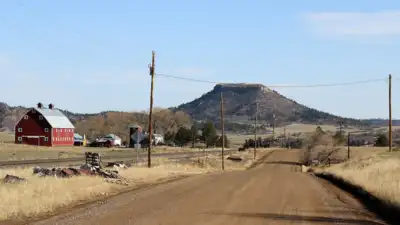
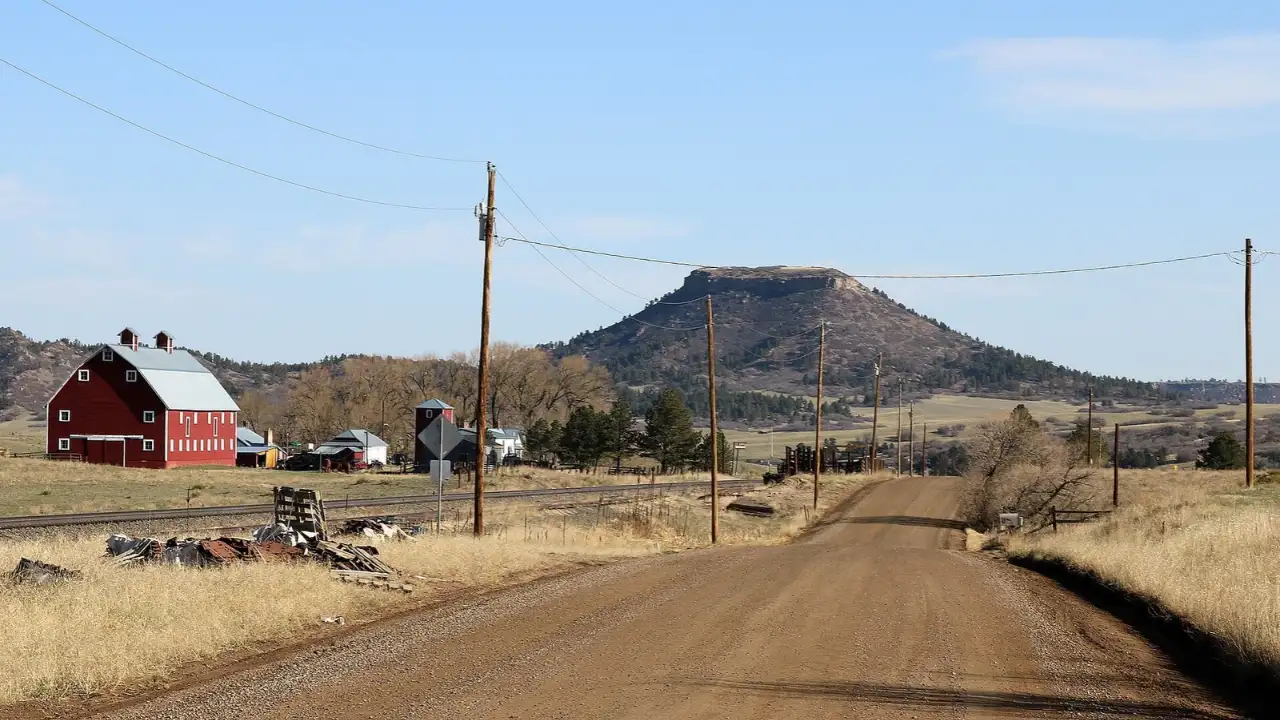
The property was acquired by John Malone in 2000 and placed under conservation protections | Wikimedia Commons Greenland Ranch, Colorado: A view of the ranch near Larkspur, south of Castle Rock.
John Malone bought Colorado’s 17,700-acre Greenland Ranch in 2000, but not with the intention of simply adding another property to his growing collection of Western ranches. Malone says he paid $55 million to take the ranch off the market and prevent development, then worked with Colorado and The Conservation Fund to put another $23 million toward conservation easements. Today, the ranch remains part of a protected stretch of open land along Interstate 25 between Denver and Colorado Springs. Greenland Ranch, Colorado: A view of the ranch near Larkspur, south of Castle Rock. The property was acquired by John Malone in 2000 and placed under conservation protections | Wikimedia Commons The land sat between two growing cities Greenland Ranch occupies a large section of the open landscape that is visible to drivers who travel between Denver and Colorado Springs. Roy Romer advocated for its preservation as early as 1977. Great Outdoors Colorado says the original conservation of Greenland Ranch was facilitated by those groups and Malone in 2000. On July 26 that year, Malone officially acquired the ranch headquarters and the portion east of I-25 and placed a conservation easement over it. Douglas County purchased and conserved about 3,600 acres at the acreage west of I-25, and created what is now Greenland Open Space. Malone’s account describes the 17,700-acre ranch east of I-25, while the wider Greenland property and surrounding protected lands have been described using larger figures. That transfer happened in 2020, when the Greenland Ranch conservation easement was transferred to the Colorado Cattlemen’s Agricultural Land Trust.
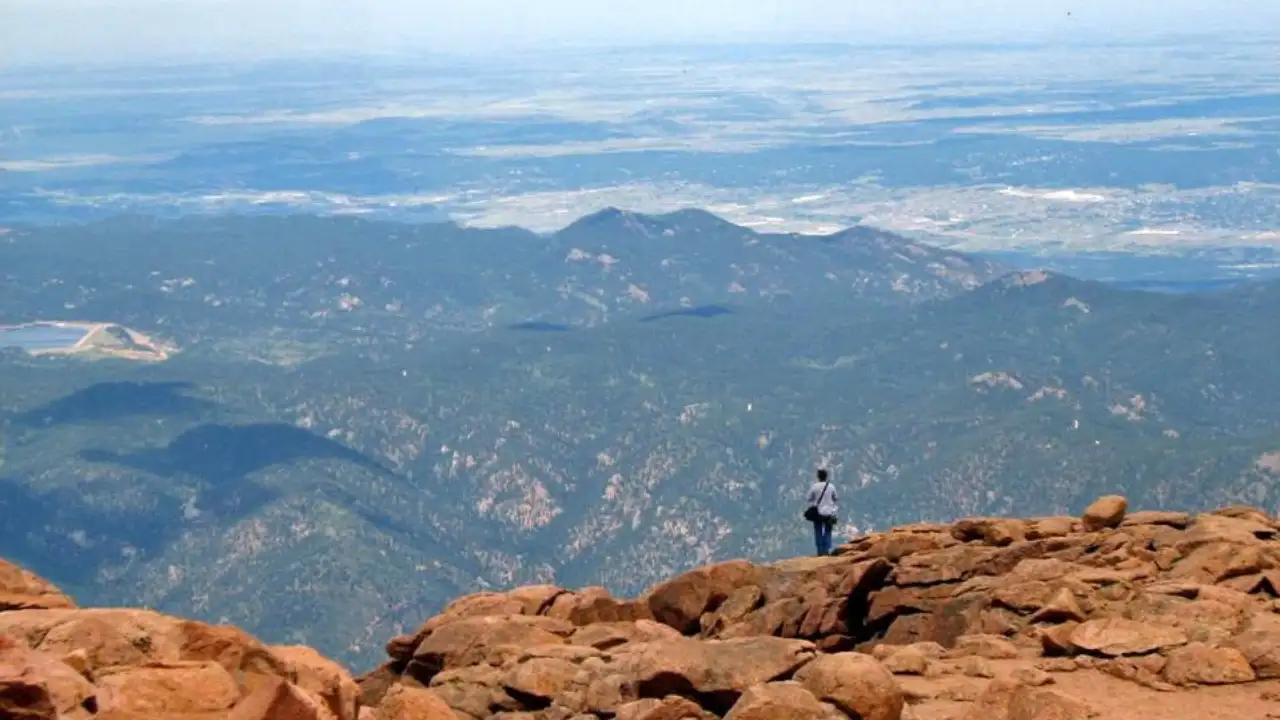
Great Outdoors Colorado says efforts to protect the ranch had been discussed for decades, and former Colorado Gov. Douglas County was experiencing rapid growth by the early 1990s, which raised concerns that development from the two metropolitan areas would eventually spread toward one another. The ranch provided a large undeveloped buffer along the Front Range. The conservation arrangement eventually involved Malone, Douglas County, The Conservation Fund and other public and private partners. That portion is county-owned and available for passive recreation, while the larger conservation easement on the ranch is held separately. The conservation easement was designed to last A conservation easement does not necessarily transfer ownership of land to the government; instead, it places legally enforceable restrictions on how the property can be used, particularly limiting development, and that structure allowed Greenland Ranch to remain privately held while restricting the type of construction that could take place on the property. The original easement was conveyed to The Conservation Fund and Douglas County, and the agreement anticipated that a land trust could eventually take over stewardship. Great Outdoors Colorado described the move as a continuation of the original conservation agreement rather than a new purchase or preservation project. The arrangement also preserved the ranch’s working-land character, since Greenland Ranch has long been associated with cattle operations and is described by Colorado conservation groups as one of the oldest operating cattle ranches on the Front Range. Colorado’s Front Range: The mountain range forms the landscape surrounding Greenland Ranch, south of Denver | Wikimedia Commons The protected corridor remains largely open
A 2025 investigation by The Colorado Sun found that the Greenland Ranch landscape remained largely undeveloped along I-25 south of Castle Rock and north of Monument. The report described the 17,700-acre ranch as part of a protected corridor that was intended to prevent the spread of development between Denver and Colorado Springs. For Malone, however, the original calculation was straightforward, with his account saying that the ranch was put on the market in 2000 as development pressure was closing in around the remaining open land. The conservation easement is now stewarded by the Colorado Cattlemen’s Agricultural Land Trust, while Douglas County continues to own and operate Greenland Open Space west of I-25.
The same reporting also examined the practical challenges surrounding conservation easements in Colorado, which included questions about enforcement and permitted construction on protected properties. He bought it and helped establish the easements that now govern its future use. The protected ranch still provides an uninterrupted stretch of grassland and foothills along one of Colorado’s busiest corridors. Its conservation also preserves a large section of the landscape between two growing cities that otherwise might have been developed into housing, commercial properties and other construction. Catch the latest World News and Live updates. Download the TOI app.