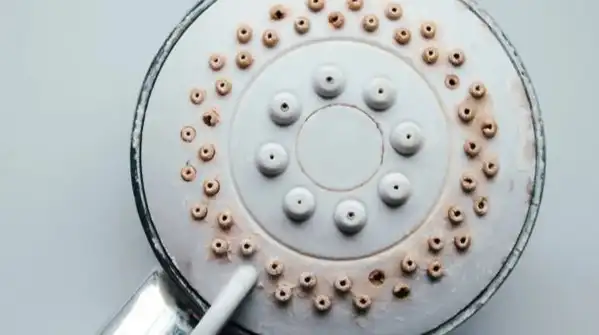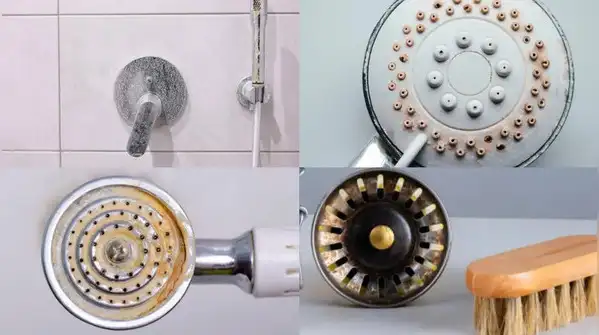
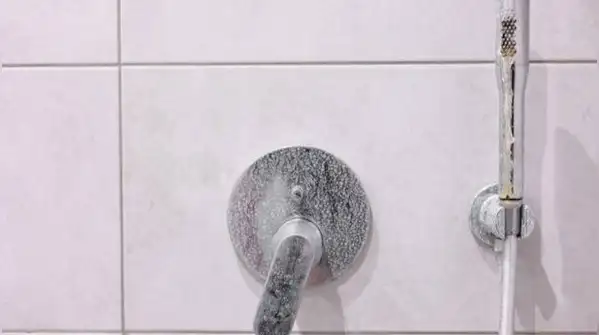
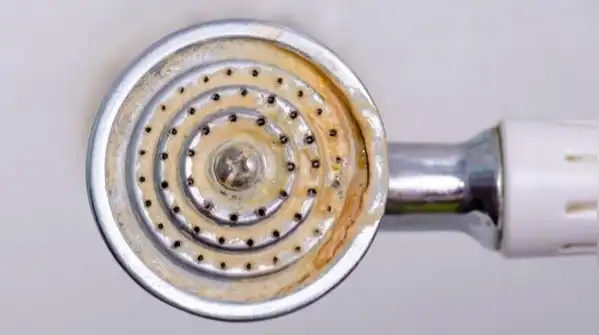
That chalky, cloudy film slowly taking over your shower glass and tiles isn’t really dirt, at least not in the usual sense. It’s mineral deposits, mostly calcium and magnesium, left behind every time hard water evaporates off the surface. Ignore it for long enough, and those deposits harden and practically bake themselves into the glass, turning what should be a quick wipe-down into a proper scrubbing session. The good news is you don’t need a fancy limescale remover to sort this out, four things already sitting in your kitchen cupboard do the job just as well. Here’s how to actually use each one.
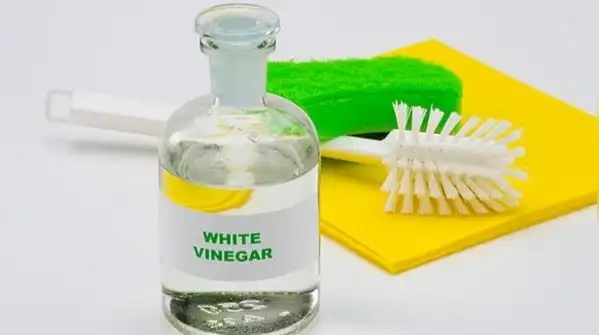
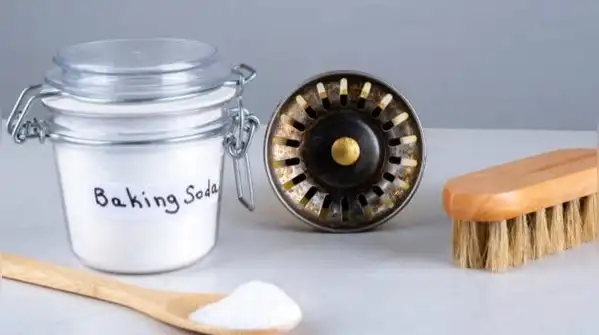
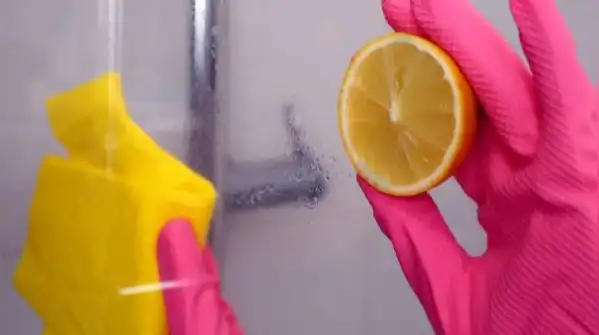
On its own, baking soda won’t do much against actual mineral scale, but paired with vinegar, it becomes considerably more effective than either one working alone. This is genuinely the first thing to reach for. Vinegar’s acidity goes to work dissolving mineral buildup rather than just pushing it around, which is exactly why it’s the go-to fix for hard water stains. Mix equal parts vinegar and warm water in a spray bottle for lighter, everyday marks, or use it undiluted if the buildup’s had time to really set in. Spray it on generously, let it sit for about ten minutes, then scrub gently with a non-scratch sponge, you’ll notice a real difference compared to just wiping it down dry. Mix it with a bit of water until it forms a thick paste, something close to toothpaste consistency, and apply it over the area once you’ve already sprayed vinegar on. It works as a gentle abrasive, lifting loosened dirt and grime off the surface without scratching the glass, while the vinegar underneath keeps breaking the mineral deposits down. If you’d rather your bathroom smell like citrus than vinegar, lemon does a similar job thanks to its natural acidity, breaking down soap scum and mineral buildup in much the same way. Cut a lemon in half, dip the cut side straight into baking soda, and scrub the stained area directly with it. The acid loosens the deposits while the baking soda adds just enough grit to actually lift them off, and it leaves the shower smelling genuinely fresh afterward too. Pair salt with lemon instead of baking soda, and you get a slightly coarser scrub that works well on smaller, more stubborn spots rather than a whole shower door. Just dip a cut lemon half into salt and rub it directly onto the marks. It’s a good option when you’re dealing with one particularly bad patch rather than an entire glass panel covered in buildup, where a full vinegar spray tends to be the more efficient route.
Once you’ve cleared the existing buildup, a bit of daily upkeep goes a long way toward not having to do this all over again in a few weeks. A quick squeegee pass after every shower, working top to bottom, followed by a wipe with a microfiber cloth, stops new water spots from forming in the first place. If your water’s particularly hard, a light vinegar mist sprayed on after each shower helps keep minerals from hardening before they get the chance to build up again. Between vinegar, baking soda, lemon, and salt, getting a hazy, stained shower back to looking properly clean again rarely needs anything more than what’s already in your kitchen. This article is intended for general informational purposes only. Test any cleaning solution on a small, inconspicuous area first, as results can vary depending on your shower’s specific glass, tile, or fixture finish. For severe, deeply etched, or long-standing stains that don’t respond to these methods, consider a commercial limescale remover or professional cleaning service.