
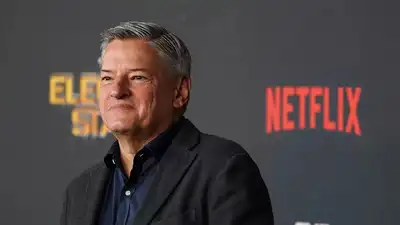
Speaking at Bloomberg’s 2026 Screentime event, Sarandos said Netflix competes with YouTube for viewers, advertisers, subscription and advertising revenue, and creators and projects. He added that Netflix could work with creators whose content is already close to professional programming if the company can help them monetise it differently. Sarandos said Netflix has considered YouTube a potential competitor for about a decade and has discussed the platform during its quarterly earnings calls. “You can go back to our quarterly earnings calls 10 years ago, and we identified YouTube as a potential competitor, and we’ve talked about them in nearly every quarter since.
However, he distinguished between working with established creators and moving into user-generated content at scale. “We’re definitely… not in the UGC [user-generated content] business,” Sarandos said. We definitely saw where this was going,” h e told Variety in an interview earlier this year. Netflix co-CEO Ted Sarandos has described YouTube as a major competitor on television screens. However, the chief executive of the US streaming giant has clarified that the company is not looking to compete with YouTube by bringing its entire creator community onto Netflix.
Sarandos said about 5% of the company’s annual $20 billion content investment goes towards live programming, which accounts for around 1% of viewership.
The competition is particularly clear on television screens, where viewers have to choose between different services and forms of programming. “So when I look at these things I think it’s a fantasy to say, ‘Here’s the world of television, and it doesn’t include the thing that people spend the most time doing, which is watching YouTube on TV,’” he added. He said YouTube’s move from primarily being watched on phones to competing on television screens has placed it directly alongside Netflix, broadcast television and other streaming services. Despite the growing overlap between Netflix and YouTube, Sarandos said Netflix is not planning to bring the broader creator economy onto its platform. “We’re definitely… not in the UGC [user-generated content] business,” he said. Instead, Netflix is focused on professionally produced programming, according to Sarandos. Sarandos said creators on other platforms are already producing content close to professional programming, creating an opportunity for Netflix to work with individual creators or projects. “Now, I think there’s a bunch of people on platforms that are doing pretty close to professional programming already, and if we can better monetise that programming for them, then we can make a deal with them. Viewership increased 2% during the first half of 2026, which he said was below the pace he wanted. “Overall, we’re not growing as fast as I want us to, and we’re working on making that move faster,” Sarandos said. Netflix has been expanding into live programming, including NFL games. However, he said live programming can generate signups, reduce subscriber churn and attract advertisers. “The business is great and growing fine,” Sarandos later said. Sarandos also said Netflix does not plan to introduce a fully ad-supported free tier. No version of FAST would be worth “cannibalising the core product,” he said. You use AI every day.
But we’re definitely not trying to bring over the whole population of creators,” Sarandos noted. Sarandos also acknowledged that Netflix’s engagement growth has slowed. He argued that a FAST, or free ad-supported television, service would not make sense if it reduced the value of Netflix’s existing business. Now get your AI Quotient. Take the AIQ test.