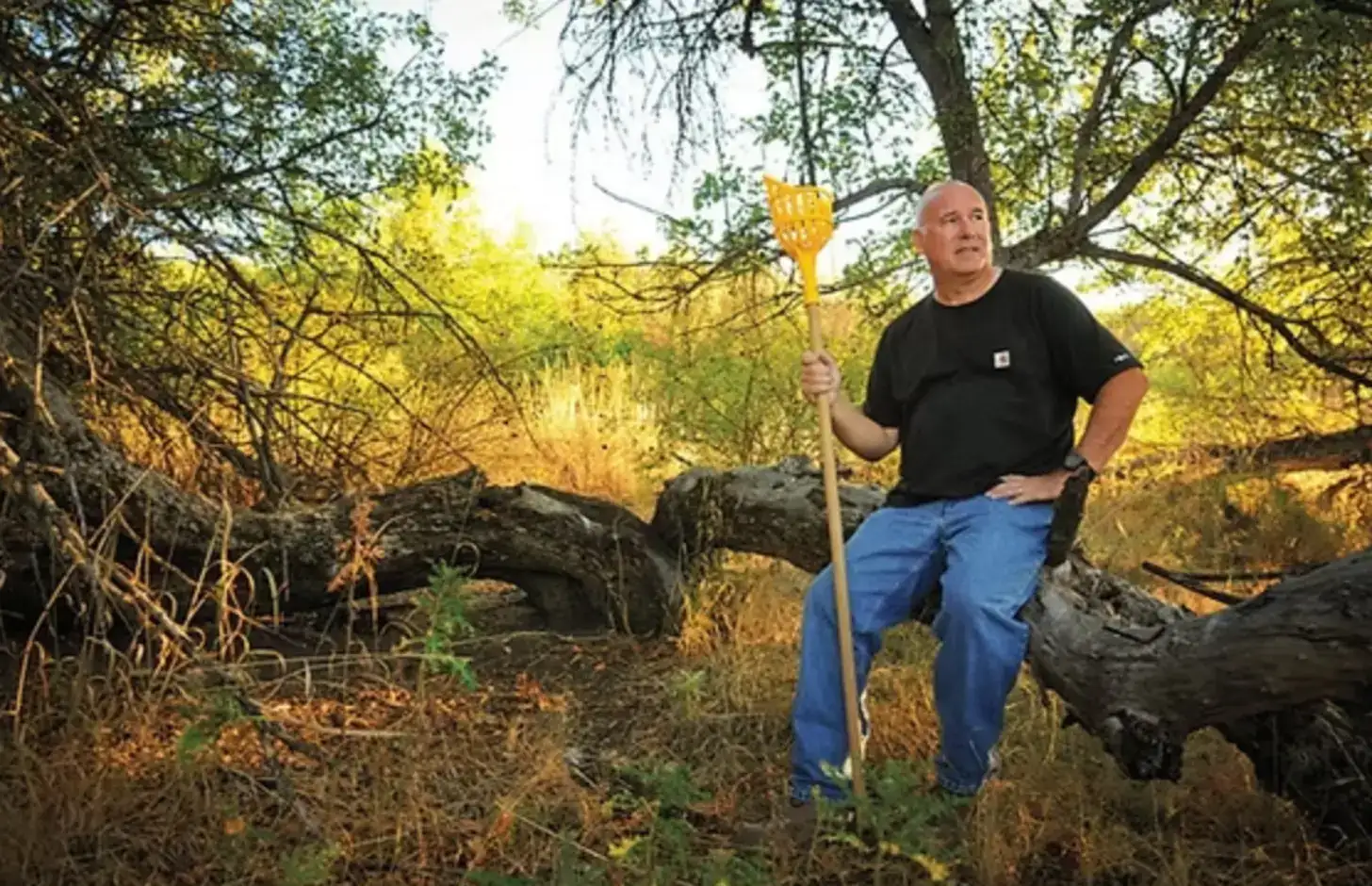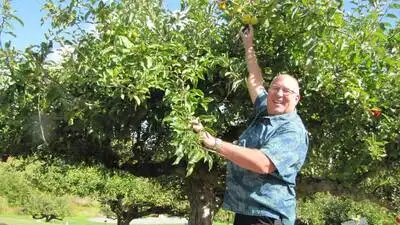
Retired FBI agent Dave Benscoter turned his retirement into a mission to find ‘lost’ apples. (Photo: Dave Benscoter)
He searched through nature studies, family recipes, county fair newspapers and other historical records, looking for clues that could lead him to what enthusiasts call “lost apples. Brandt, Benscoter created the Lost Apple Project, turning their retirement years into a mission to locate and preserve historic apple trees.
“So I gave her a call, and I said, ‘Do you know what kind of apple trees are in your orchard?’” Benscoter recalled during an appearance on the Evergreen Thumb podcast last November. “And she said, ‘Well, I know the very top ones were named Yellow Transparent. The two, who Benscoter describes as “apple identification experts,” helped analyze the DNA of unusual specimens and determine their identities.
Benscoter was helping a fellow parishioner from his church with some yard work when he noticed something unusual about the apple trees in her orchard. The varieties looked unlike any apples he had encountered before. The woman could identify some of the trees. They’re the very first apple that ripens in the year, in July.’” Another row contained Wealthy apples, an older variety notable for being the first apple ever bred in the United States. But beyond those, the identity of the remaining trees remained a mystery. Benscoter began researching apple varieties that had once been cultivated across the Pacific Northwest but were increasingly difficult to find. His search eventually brought him together with Joanie Cooper and Sean Shepherd of Oregon’s Temperate Orchard Conservancy. The discoveries did not stop there. Along with his friend E.J.