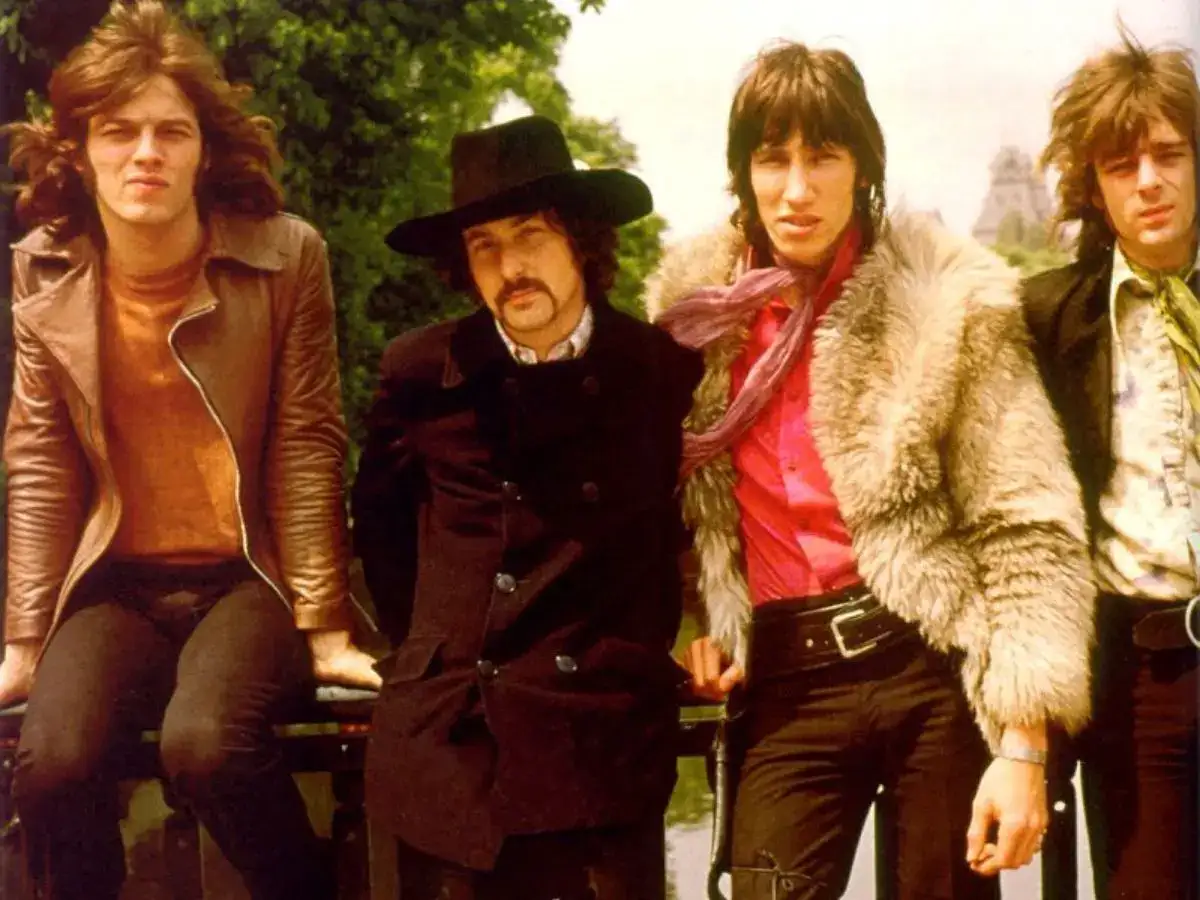
Los Angeles, Oct 19 (IANS) The Pink Floyd guitarist and the psychedelic rock legend David Gilmour.
For music fans, the guitars remain part of the story behind some of Pink Floyd’s most influential recordings. For ClientEarth, they became the means to fund legal work on climate and nature. And for Gilmour, the auction offered a way to let treasured instruments move on while giving their next chapter a purpose beyond music.
Yet in 2019, the guitarist decided to part with more than 120 pieces from his personal collection, sending them to auction at Christie’s in New York. The sale brought in $21,490,750, and Gilmour donated the proceeds to ClientEarth, an environmental law charity working to tackle climate change and protect nature. In its June 2019 announcement, ClientEarth said Gilmour had donated the money raised from the collection to support its efforts to tackle the climate crisis.
Gilmour had announced before the auction that all proceeds would go to ClientEarth.
He described the global climate crisis as humanity’s greatest challenge and said he hoped the sale would help the charity use the law to bring about real change. For David Gilmour, guitars were never just instruments. They helped create some of Pink Floyd’s most recognisable music, shaping solos heard on albums such as The Dark Side of the Moon and The Wall. Christie’s described the event as the most valuable musical instruments sale in auction history at the time. For Gilmour, the decision was not simply about finding new homes for cherished guitars. He hoped their next chapter could help support a future in which people could continue to make music on a liveable planet. The decision gave the event a purpose beyond collecting and memorabilia. Every bid contributed to an environmental law organisation whose work is often less visible than frontline conservation, but which seeks to change the rules and decisions that affect the natural world. ClientEarth uses law to address environmental problems, including climate change and the protection of nature. Rather than operating as a traditional advocacy group alone, it works with lawyers, scientists and policy experts to challenge harmful practices and strengthen environmental protections, as per reports. The organisation’s chief executive, James Thornton, called the gift an extraordinary boost to its work using the law to address environmental problems. Gilmour explained his motivation in a statement shared by ClientEarth. He added that he wanted a civilised world that would continue for future generations, where guitars could still be played and songs could still be sung. That decision also brought attention to the role of environmental law. Climate change and biodiversity loss can feel too large for individual action, but legal challenges and policy changes can influence how governments and businesses respond. ClientEarth’s work focuses on using the law as a tool to make those systems more accountable. The sale did not solve the climate crisis, and Gilmour did not present it as a complete answer. Instead, it was a substantial contribution to the work of an organisation he believed could help create change. His hope was that the proceeds would support a future in which the natural world, and the people who depend on it, could endure.