
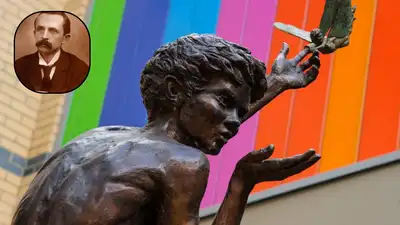
In 1929, Peter Pan author J. Barrie gave his rights to a London children’s hospital; 97 years later, the gift still supports seriously ill children (Image Credit: GOSH Hospital) M.
Because it connects a literary work with a continuing charitable purpose, the arrangement is unusual. The hospital’s charity also explains that Peter Pan continues to support its work through performances and related licensing arrangements. The income contributes to the institution’s wider efforts to care for seriously ill children and support their families. Rather than making a one-time donation, Barrie gave the hospital an enduring source of potential income tied to the story’s use.
Why J. M. Barrie gave Peter Pan to the hospital
In 1929, Scottish author J. The hospital’s history records that he was invited in 1929 to join a committee tasked with helping acquire land for a new wing. Its continuing presence in popular culture has helped maintain the value of Barrie’s gift long after his death in 1937.
Barrie was invited to join a committee helping the hospital acquire land for a new wing, according to the hospital’s official history. He declined the invitation but said he hoped to find another way to help. A fictional boy who never wanted to grow up has helped support generations of seriously ill children in London. M. Barrie gave the rights to Peter Pan to Great Ormond Street Hospital (GOSH), turning one of literature’s best-known stories into a lasting source of support for the institution. He declined but later donated his rights to Peter Pan. Nearly a century later, the gift continues to benefit the hospital, with a special provision in UK law protecting its right to receive royalties. Barrie, whose full name was James Matthew Barrie, had supported Great Ormond Street Hospital for years before making the donation. About two months later, the hospital’s board learned that he had donated his rights to Peter Pan. The donation gave Great Ormond Street Hospital rights associated with Peter Pan, allowing it to receive income from performances of the play and other uses covered by the rights. The donation created a lasting connection between the children’s hospital and the story of Peter Pan. Theatre companies, schools and other organisations staging licensed performances in the UK contribute to the hospital’s charitable work through the rights arrangement. The story has appeared in stage productions, pantomimes, school plays and other adaptations. Great Ormond Street Hospital treats children with serious and complex conditions, providing specialist care and supporting families through difficult medical journeys. The income associated with Barrie’s gift contributes to the charity’s wider work, although the hospital does not publicly disclose how much the Peter Pan rights have generated. Barrie’s decision also remains a distinctive example of how a cultural legacy can serve a charitable purpose long after its creator’s lifetime. The author did not simply donate money; he gave the hospital rights to a work that would continue to be performed, published and adapted.