
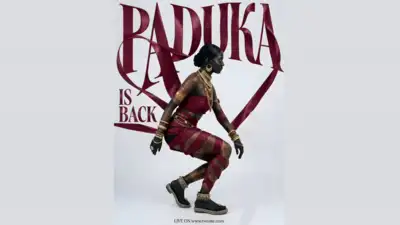
Two Até gives a maximalist makeover to the traditional padukas. Image Credits: Instagram/@two.ate
The best ideas do not always come from novelty. Sometimes, they come from looking back. In a world where fashion trends change faster than we can keep up, the most interesting designs are often those that take something familiar and reimagine it for a new generation.
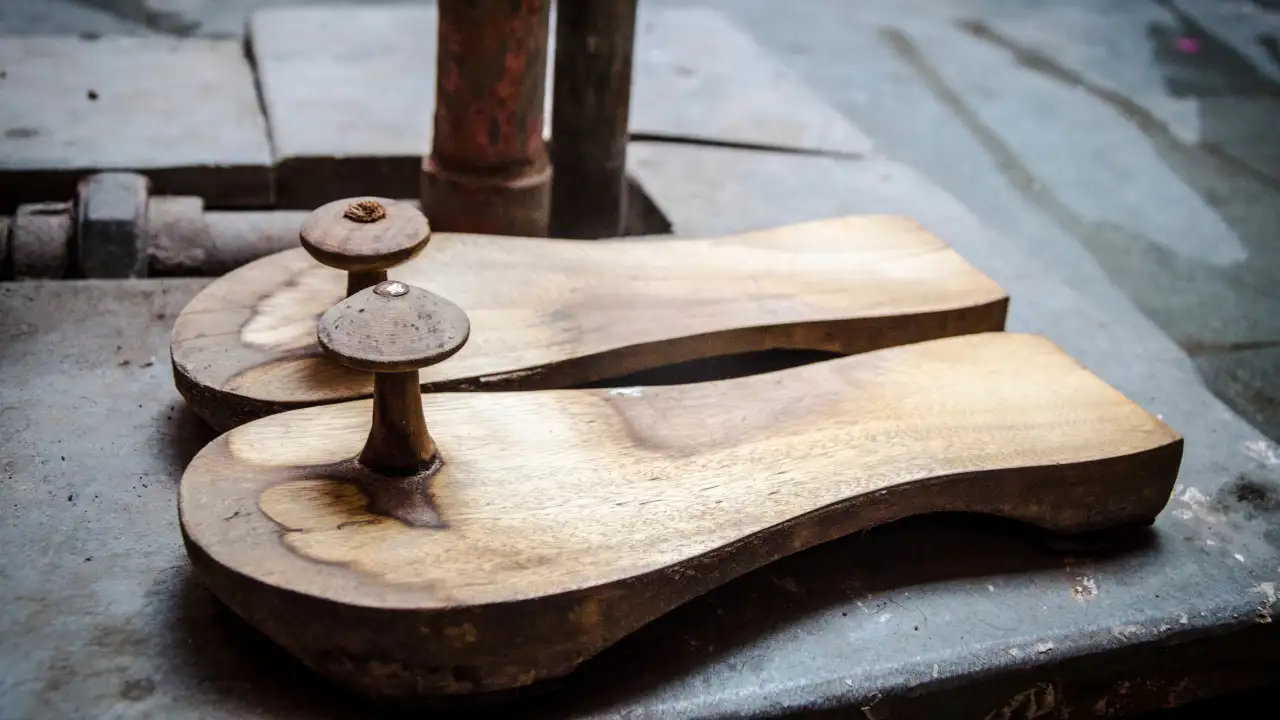
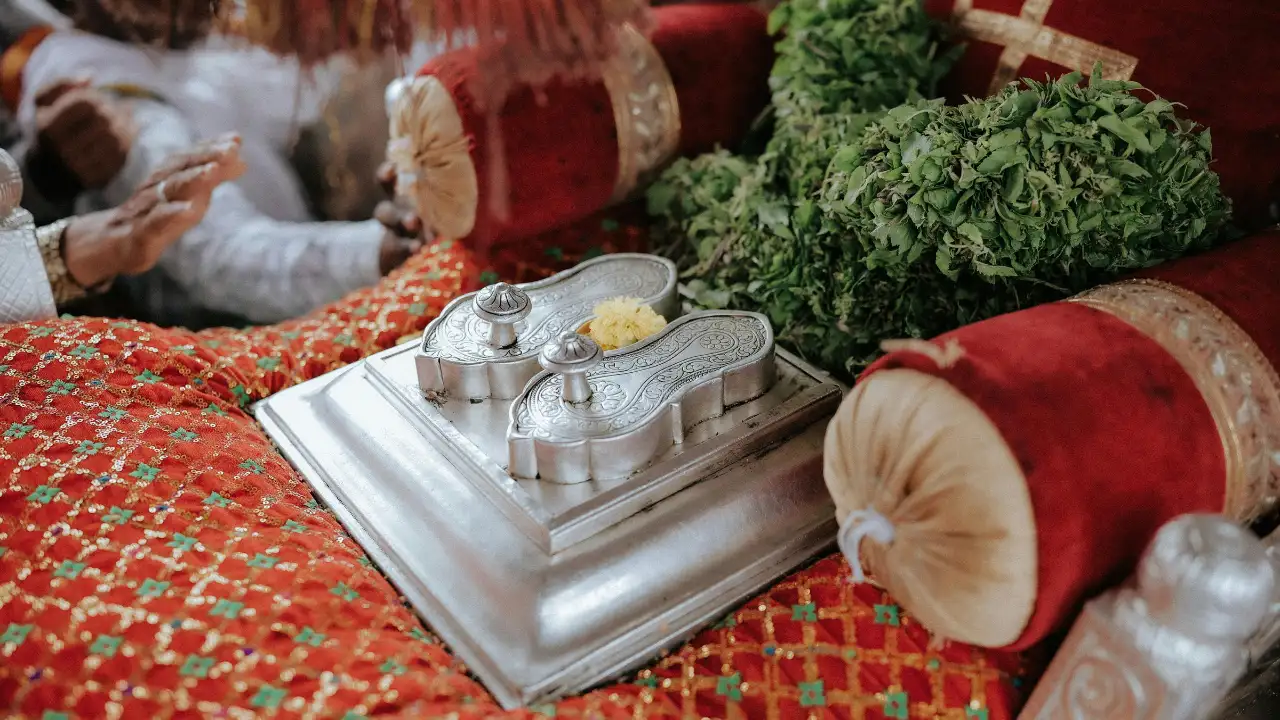
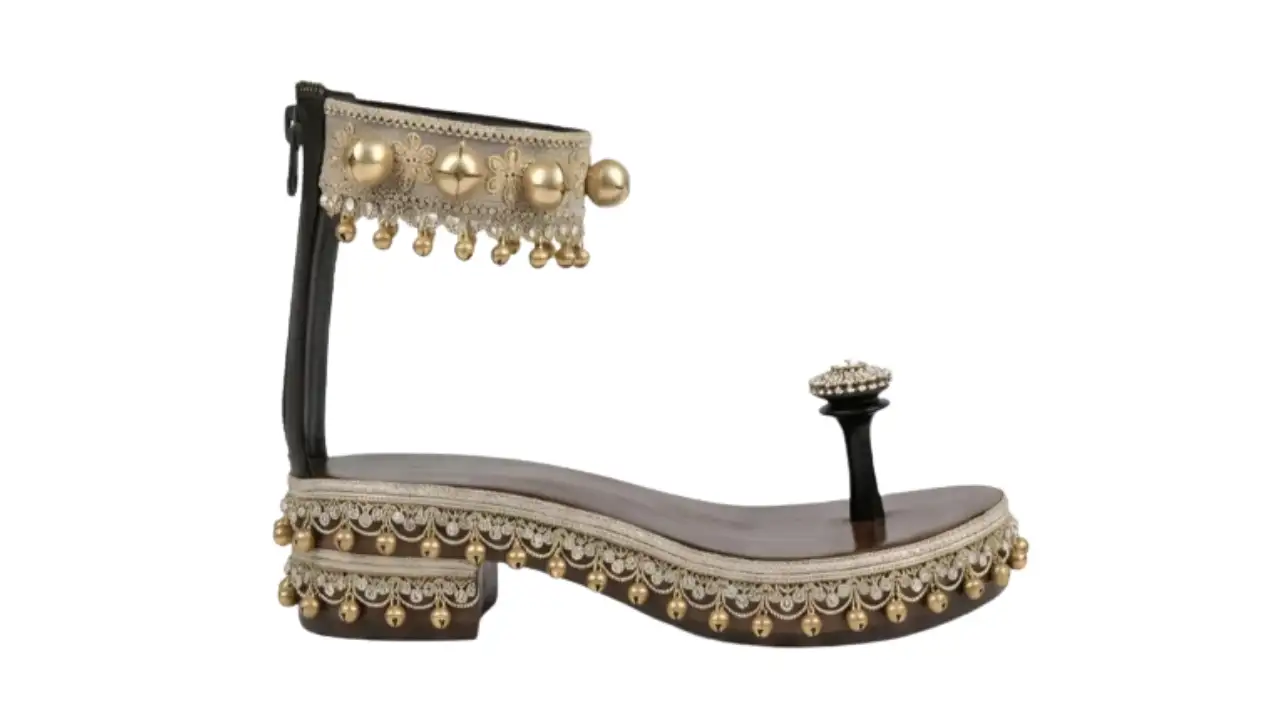
Before sneakers, before stilettos, before chunky platforms, Indian feet wore the paduka . It is a simple traditional footwear, with a simple sole and a raised peg between the big toe and second toe . It has been around for centuries, with cultural and religious significance far beyond its practical use. The result is a maximalist reinterpretation of a design that has survived centuries, proving that sometimes, the future of fashion lies in our past. Padukas were often made with wood. Padukas (also known as khadau ) is one of the oldest types of footwear that can be traced back to the Indian subcontinent. Traditionally made from wood, these sandals feature a flat sole and a small post that sits between the wearer’s first two toes, allowing the foot to grip the sandal while walking. Their design was also functional. The high sole lifted the feet away from hot, wet or uneven ground.The use of wood instead of leather also followed the religious tradition and the principles of ahimsa, or non-violence. Over the years, padukas became more than just everyday footwear. Whether markers of social standing or religious devotion or renunciation would depend on their materials and craftsmanship. Some were simply wooden sandals, others were made of precious materials and were richly decorated. Padukas carry great cultural significance. When Lord Rama was exiled for fourteen years, his younger brother Bharata refused to take the throne of Ayodhya in his absence. Instead, he travelled to meet Rama and persuade him to return. When Rama declined, Bharata requested his padukas and carried them back to the kingdom. He placed the sandals on the throne and governed as Rama’s regent, ruling in his elder brother’s name until his return. In this story, the padukas are not the king’s possession. They are a sign of his presence, of his authority, of the trust that is in him.Bharata’s decision to govern through the sandals, rather than to take the throne himself, made the padukas a symbol of duty and devotion. This association of the feet with spiritual authority is not peculiar to the epic. The footprints and sandals of revered saints, gurus and deities have also become objects of veneration in Indian religious traditions. It’s this layered history that makes the paduka so fascinating as a contemporary fashion reference. Its significance is not confined to how it looks, but also to what it represents. Two Até’s contemporary rendition of the padukas. Image Credits: Two Até’s official website In its latest collection, Two Até takes this centuries-old silhouette and gives it an unapologetically contemporary identity. As featured by Rohan Dhawan (@wegiveuability) on his Instagram , the label retains the recognisable open-foot design and wooden base while introducing intricate embellishments, rhinestones, metallic detailing and gold-toned bells. Additional elements, including an ankle strap and zip fastening, give the traditional form a more fashion-forward finish. This contrast is deliberate. The traditional paduka is famed for its minimal construction, but Two Até’s version luxuriates in excess. The footwear becomes a statement piece, designed to command attention rather than simply complete an outfit. The label’s philosophy is a tribute to traditional Indian footwear, re-imagined with intricate craftsmanship and attitude. Its underlying idea is simple: cultural heritage need not remain frozen in time to retain its meaning. Two Até’s paduka is an interesting example of how brands can use cultural memory to create products that feel distinctive in an increasingly saturated fashion market. Fashion has always been inspired by the past whether it be through the revival of archive silhouettes, bringing back vintage trends or reinterpreting traditional crafts. But replicating an old design doesn’t always make it relevant to a new audience. The trick is to translate the original environment into something that fits the contemporary sensibility. Its association with the Ramayana , devotion and authority gives the design cultural depth that goes beyond aesthetics. By translating that history into a statement shoe, Two Até makes the reference accessible to audiences who might encounter it first through fashion rather than mythology. Its maximalist treatment also creates a strong visual identity, giving the campaign an editorial quality that lends itself to social media. The embellished footwear, dramatic styling and recognisable cultural reference make the collection more than a product showcase; they give audiences something to interpret, discuss and remember. However, heritage-led marketing works best when reinvention is accompanied by an understanding of the source material. Cultural references cannot simply function as decorative shorthand. Their history, context and significance are part of what makes them compelling in the first place. The paduka has travelled from the olden days into contemporary fashion, carrying traces of its past into a different cultural moment. Its form may be embellished, elevated and transformed, but its history remains the foundation of its appeal.
Today, Indian footwear label Two Até is bringing this ancient silhouette back into the fashion conversation, trading restraint for embellishment and simplicity for spectacle.
Perhaps the most interesting fashion statement is not always about what comes next. Sometimes, it is about what we choose to bring back. You use AI every day. Now get your AI Quotient. Take the AIQ test Get the latest Lifestyle News and more. Download the TOI app.