
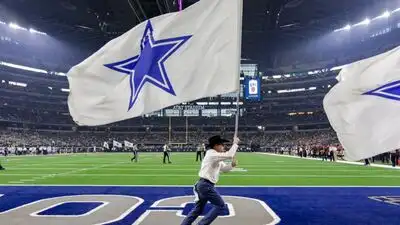
Dallas Cowboys are worth $15.5 billion in Sportico’s 2026 valuations, the highest of any sports team, despite a 30-year Super Bowl drought. (Getty Images)
The Dallas Cowboys are worth $15.5 billion in Sportico’s 2026 valuations, up 21% from 2025. That keeps them as the highest-priced club in the world since Sportico began its rankings in 2020. They are also the first pro team to pass $15 billion. Dallas has not won a Super Bowl in 30 years.
The odd part is the football. So what is the number really measuring? Most of the answer sits in stadium suites, sponsor deals, jersey racks and a real estate project in Frisco.
The cash numbers that set Dallas apart
The Cowboys are valued at about 30 times EBITDA, while the rest of the NFL averages 72. One sports team investor told Sportico a stake in the Cowboys would be good value at $18 billion to $20 billion. Because only 32 teams exist and buyers pay to get in, most owners are valued on scarcity,.
The multiple may say even more. Think of it this way. Dallas is valued closer to a business that earns its keep.
Even the Cincinnati Bengals, who rank 32nd at $7.4 billion, are worth more than all but six non-NFL teams. Before 1995 the league controlled almost all sponsor inventory. Stadium sponsorship money is not split with the other 31 owners. CNBC reported the Cowboys could reach $250 million in sponsorship revenue in 2024, at least $50 million more than any other team. In 2002 the Cowboys opted out of the league’s shared merchandise system. They still pay their allotted share into the pool, but their merchandise business has outgrown the league’s and likely approached $200 million in a recent year. The team is now worth more than 100 times what Jones paid. The average NFL team is now worth $9.34 billion, up 31%, the biggest one-year jump since Sportico started its valuations in 2020. Compare that with Dallas at 21%, and you notice something quiet.
Nobody outside the club can give you a clean split, and Sportico does not publish one. What it does say is telling. The valuations include real estate and related businesses, such as the sports components of The Star, the Cowboys’ mixed-use development in Frisco. So the price tag covers more than a team. It covers the machine built around the team. The broad shape is easy to see, though. National TV money is shared across the league, and it lifts everyone. Dallas pulls away with income that stays at home: stadium sponsors, premium seating, merchandise, tours and events. That is where the gap gets built. Jones challenged that, the league sued, he countersued, and a year later both sides dropped the cases. The Cowboys kept their deals. Merchandise followed the same path. Run the math on the whole journey. The league around Dallas is moving fast. In percentage terms, the Cowboys grew slower than the field.