
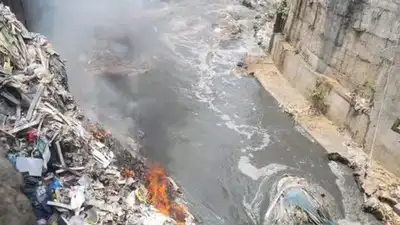
Karnataka is grappling with severe river pollution caused by untreated sewage from various sources (file photo used for representation)
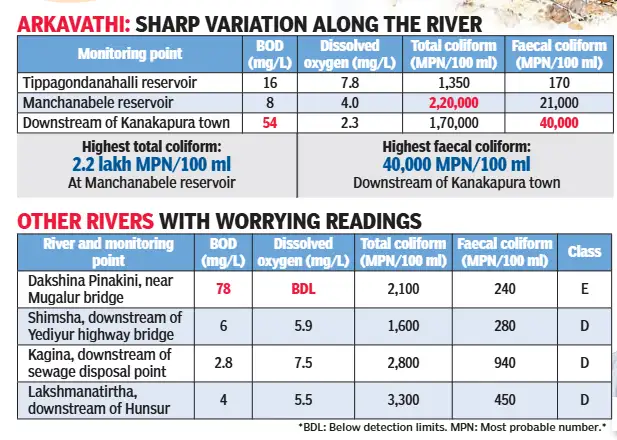
Vishwanath S, who is a Water conservation expert, says that industrial pollution must also be stopped through effluent treatment plants, ensuring no industrial discharge enters rivers. Untreated sewage is the primary source of river pollution, a senior official said. High faecal-colifor m counts indicate contamination by faecal matter and warn of the possible presence of disease-causing pathogens. These flows are perennial, yet pollution levels went unexamined for years, while sewage treatment remained lacking. The problem extends beyond Bengaluru. Townships across Karnataka generate pollution through human activity. Domestic sewage is greater in volume, but industrial effluents have a greater impact. Filing cases is the least that can be done. Restoring water quality requires sewage treatment plants (STPs) along rivers, but inadequate underground drainage networks remain a hurdle.

It has filed around 40–42 criminal cases under the Water Act against polluters, the official said. Several of the cases are pending before district magistrate courts.
Earlier, action largely involved fines, but the board is now pursuing criminal cases as well.
Because nobody wants to raise water prices or charge for sewage collection and treatment, that’s a difficult political question. Unless we get the pricing of water and wastewater right, institutions responsible for managing them won’t have funds to tackle pollution and we’ll keep repeating the ritual every year: a report flags pollution, the board issues notices, and pollution continues. Peenya industrial area, which pollutes the Arkavathi, doesn’t have a single functional common effluent treatment plant of scale. We need a long-term plan and, until then, must recognise that rivers will remain polluted. Every household & apartment discharging sewage must pay for its collection, conveyance and treatment. We must address the root of the problem by establishing a system to collect the money needed to treat wastewater.