
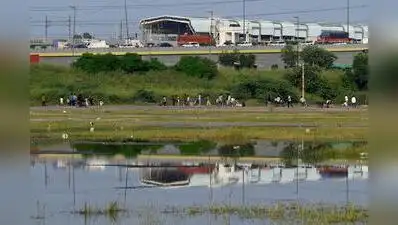
Burari ground in Delhi has been designated as one of the three new venues for organising protests and demonstrations
New Delhi: A 10-minute walk from the metro, a 45-minute to one-hour journey from central Delhi, app-based cab fares of Rs 300-400 and barely any shops selling drinking water — Burari Ground, one of the three venues Delhi Police has designated for protests after dropping Jantar Mantar from its list of approved sites, presents a different set of challenges for demonstrators. Also known as Nirankari Ground, Burari Ground is a 23-hectare site owned by Delhi Development Authority (DDA). As far as connectivity is concerned, the nearest metro station is a 7-to-10-minute walk while buses and auto-rickshaws provide additional travel options. However, reaching the ground from central Delhi can take 45 minutes to an hour, depending on traffic and the starting point. App-based cab fares range from Rs 300 to Rs 400 while a bike ride may cost almost Rs 200, depending on demand.
Seventeen-year-old Devi, who was at the ground plucking greens, said she and others from the neighbourhood visit the area for walks. The ground, she said, generally remains vacant, with mostly locals and children coming there to play, practise driving or take evening walks. The uneven ground, loose mounds of soil, waterlogged patches and scattered litter add to the contrast with Jantar Mantar, a longstanding venue for sit-ins and demonstrations in the heart of the capital. With only one shop nearby selling water, protesters planning to spend several hours at the venue would need to carry drinking water or buy it outside. Snacks and fast food are available outside the premises and near the metro station, but options within the ground are scarce. During the sunny afternoon, water remained pooled in parts of the ground following showers the previous night. There are no concrete pathways across much of the site. Instead, mounds of earth and pools of standing water define the landscape. Scattered waste can also be seen across parts of the grassy terrain. In one corner, people come to feed animals; elsewhere, learners practise driving while groups play cricket. The sprawling open ground, surrounded by roads and flyovers, is also used for events, including govt programmes. Locals use the open space for various activities, including learning to drive, playing cricket, jogging and cycling. Some women also visit the ground to pluck leafy greens, or saag . After the festivals, people also visit the site to immerse idols, she added. The ground is not an entirely isolated stretch, with roads and flyovers connecting it to surrounding parts of the city. access to basic amenities within the premises remains a concern While reaching the venue may not be the biggest challenge for demonstrators.
On Monday afternoon, TOI visited the ground and found no readily available drinking-water facility within the premises.
You Can Also Check: Gold Rate in Delhi | Silver Rate in Delhi | Bank Holidays in Delhi | Public Holidays in Delhi | Delhi AQI | Weather in Delhi | Petrol Price in Delhi | Diesel Price in Delhi | CNG Price in Delhi | LPG Price in Delhi Stay updated with the latest Delhi news. The contrast with Jantar Mantar is not simply about location. Jantar Mantar has long been associated with organised sit-ins and political gatherings in central Delhi. Burari, by comparison, is a largely open, multipurpose space that serves several everyday purposes but has few visible facilities for people expected to gather for demonstrations. Download the TOI App.
Pingback: Ramlila Maidan in Delhi has been designated as one of the three new venues for organising