
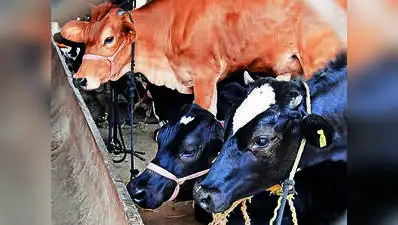
Nashik: With drought concerns mounting after a poor monsoon, Nashik district administration has rolled out a time-bound plan to secure fodder and water for 18 lakh livestock animals until June 2027.
Officials estimate the district requires 2.07 lakh tonnes of fodder every month. the administration plans to boost production by distributing fodder seeds to 17,160 beneficiaries While existing stocks are sufficient for about 127 days. Summer fodder cultivation, dry fodder storage and contingency measures will follow between March and June 2027. The administration has earmarked Rs 3 crore to meet additional demand for fodder seeds.
You Can Also Check: Gold Rate in Nashik | Silver Rate in Nashik | Bank Holidays in Nashik | Public Holidays in Nashik | Petrol Price in Nashik | Diesel Price in Nashik | CNG Price in Nashik | LPG Price in Nashik Stay updated with the latest Nashik news.
District collector Ayush Prasad said the administration is moving early to prevent a fodder crisis and ensure cattle do not bear the brunt of the drought. “The animal husbandry department will focus on increasing fodder production, seed distribution, fodder storage, creation of fodder banks and silage production to ensure adequate fodder and drinking water for livestock,” Prasad said. “The main objective of this time-bound plan is to ensure sufficient fodder and drinking water for livestock till June 2027 and tackle shortages before they develop into a crisis,” Prasad said.
The strategy shifts fodder management to the village level. From this month, villages will prepare fodder plans based on livestock population, local demand and available resources. Seed requirements will be finalised and surveys conducted to identify potential shortages. In Nov, authorities will coordinate with Farmer Producer Companies and Joint Forest Management Committees for rabi fodder cultivation. From Dec, the focus will shift to land preparation, fodder cultivation and bringing fallow land under fodder crops. Harvesting, silage production and planned fodder distribution will be taken up between Jan and Feb next year. Veterinary officials will also train farmers in scientific fodder storage and silage production to minimise wastage. Fodder cultivation on rabi and summer crop lands, as well as silt-bed areas, will be prioritised based on water availability. The district also plans to establish fodder banks through Agricultural Produce Market Committees, cooperative societies and self-help groups for collection, storage and distribution. Download the TOI App.