
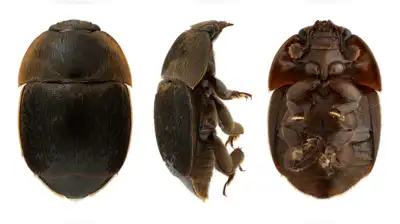
Small Hive Beetle
The presence of the Small Hive Beetle (Aethina tumida) was first reported in honeybee colonies in West Bengal in Sept 2022. Because pollination done by them improves crop yields and supports biodiversity, while beekeeping provides an important source of livelihood, syed said honeybees are crucial to agriculture. You Can Also Check: Gold Rate in Nagpur | Silver Rate in Nagpur | Bank Holidays in Nagpur | Public Holidays in Nagpur | Petrol Price in Nagpur | Diesel Price in Nagpur | CNG Price in Nagpur | LPG Price in Nagpur Stay updated with the latest Nagpur news.
The beetle was found at all the locations surveyed so far,” he said. Heavy infestation can damage combs and cause honey to ferment and become contaminated,” he said. “This makes early detection particularly important, as an unnoticed infestation can build up quickly,” he said.
Nagpur: A tiny beetle that can damage honeycombs, contaminate honey and weaken or even lead to the collapse of honeybee colonies has been found in several districts of Maharashtra , raising concerns for the state’s beekeeping sector. The study in Maharashtra is being conducted by Saad Ali Shakir Ali Syed, a second-year MSc Entomology student at Dr Sharadchandra Pawar College of Agriculture, Baramati. The observations were initially recorded in Baramati, Pune district, after which Syed, a resident of Nagpur, began checking for the beetle at other locations to determine whether the infestation was isolated or more widespread. “Similar infestations were observed at Kosbad in Palghar, Wani in Chandrapur, Karjat in Ahilyanagar, Jawahar Nagar in Bhandara, Latur, Mehkar in Buldhana and Gondia. Syed’s study aims to determine the frequency and distribution of the Small Hive Beetle across Maharashtra and assess its likely impact on both managed and wild honeybee populations. The findings could help establish the extent of the pest’s spread and underline the need for early detection and appropriate hive-management practices. “The beetle is small and blackish and commonly hides in cracks in hives and around the bottom board. Both adults and larvae feed on honey, pollen and other stored material. The pest can multiply rapidly, with its complete life cycle — from egg and larva to pupa and adult — taking about four to six weeks under favourable conditions. Researchers say continued surveillance will be essential to establish whether the beetle is spreading further across Maharashtra and to develop suitable management measures. Download the TOI App.
Since then, reports from different parts of the country have prompted researchers to track its distribution and potential impact on honeybees.
He added that the observations also highlight the need for regular hive inspections and sanitation. Beekeepers have been advised to watch for unusual beetles or larvae, damaged combs, fermented honey and weakening colonies. Suspected infestations should be verified by agricultural or beekeeping experts before any treatment is attempted, as indiscriminate chemical use can harm honeybees and contaminate hive products.