
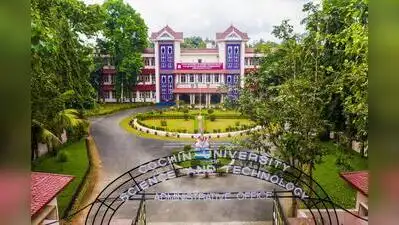
Kochi: Researchers at Cochin University of Science and Technology (Cusat) have identified extensive, largely unexplored viral diversity in deep-sea sediments of Bay of Bengal, collected from a depth of 3,747m.
The sediment samples were collected during a scientific expedition aboard the research vessel ORV SagarNidhi in April 2024, in collaboration with the National Centre for Polar and Ocean Research, Goa. One of the key findings was that around 70% of the viral sequences could not be classified using existing reference databases, indicating the presence of potentially unknown viruses or viral lineages that have not yet been characterised. You Can Also Check: Gold Rate in Kochi | Silver Rate in Kochi | Bank Holidays in Kochi | Public Holidays in Kochi Stay updated with the latest Kochi news.
The study, published in the international journal iScience, is the first metagenome-based characterisation of viruses in deep-sea sediments from the region, according to the researchers. Researchers said the findings provide a foundation for further research into deep-sea viral diversity and its ecological roles. The research was conducted by Athira T Menon, a PhD researcher, under the guidance of Swapna P Antony, assistant professor and principal investigator of the Deep Ocean Mission project at Cusat. The study was part of India’s Deep Ocean Mission, supported by the Union ministry of earth sciences. The researchers identified genes that could provide insights into how the viruses replicate, interact with microbial communities and potentially influence nutrient cycling in deep-sea sediments. The study also highlights the extent of unexplored biodiversity in India’s deep ocean and the potential of genomic research to improve understanding of these ecosystems. Download the TOI App.
Most of the high-confidence viral sequences also showed limited connections to previously studied viruses.