
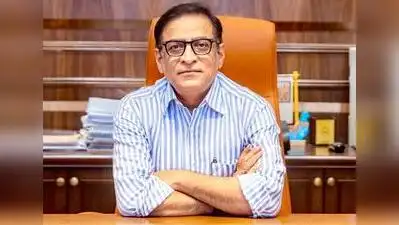
Amrit Abhijat
From 1.71 lakh diyas in 2017, Deepotsav reached last year’s Guinness record of 26.17 lakh; this year’s target is 30 lakh on Nov 7. Budget provision has risen 30-fold since 2018-19 to Rs 15 crore. Procurement reached 27 lakh diyas across more than 35 villages in 2023. Bulk orders reach 48 potter families in Jaisinghpur. This year, an order worth Rs 12.8 lakh supports 25 rural women in Ayodhya and Barabanki. I visited Ayodhya in 2015 as DG tourism which then was a neglected heritage town with potential and promise. Last 10 years have seen state patronage, infrastructure, connectivity, production and people participation. October and November tourist visits rose from 1.83 crore in 2023 to 2.45 crore in 2024 and 2.85 crore in 2025. Last year’s festival brought over Rs 55 crore into the local economy in five days. Average daily shopkeeper earnings have reached Rs 2,500, against Rs 400 to Rs 500 earlier. Deepotsav supports more than 10 lakh temporary and gig jobs. Ayodhya’s wider tourism economy has created over 1.2 lakh jobs, generates Rs 400 crore in additional annual GST and contributes 1.5% to UP’s GSDP. Hotel capacity crossed 5,000 rooms in 2025, while festival occupancy approached 90%. Alongside them, 135 registered bed and breakfast and homestay units give families a route into ownership. Around 1,800 Indian and international artists are scheduled this year, against 200 in 2017. Productions using 2,100 drones and new forms of digital storytelling require skills that can support careers beyond the event. Local creators helped last year’s campaign reach 96 lakh and record 3.61 crore engagements; this year’s digital reach target is five crore. The 102 tourism infrastructure projects, with a total project cost of Rs 841 crore, must serve residents and enterprises of every size.
IHCL, Radisson, Sterling and Cygnett operate here; Taj and Lemon Tree Premier have announced projects. That is the economic legacy we are working for. (Writer is additional chief secretary, tourism, culture, religious affairs and transport, Uttar Pradesh) You Can Also Check: Gold Rate in Lucknow | Silver Rate in Lucknow | Bank Holidays in Lucknow | Public Holidays in Lucknow | Lucknow AQI | Weather in Lucknow | Petrol Price in Lucknow | Diesel Price in Lucknow | CNG Price in Lucknow | LPG Price in Lucknow Stay updated with the latest Lucknow news. Ayodhya Deepotsav’s economic promise lies in the future it helps local people build. As the festival approaches its tenth edition, govt’s purpose is to give the families who sustain Ayodhya ’s culture a lasting stake in its growth. Their ability to build dependable businesses is central to that purpose. Chief minister Yogi Adityanath ’s sustained commitment has given Deepotsav the continuity businesses need to plan. Our task is to carry that advantage beyond the festive season. We want an annual celebration to support enterprises that remain viable throughout the year, with local people participating as owners, skilled professionals and employers. That continuity has expanded the market. For an artisan, that predictability matters as much as the size of an order. Fair procurement and timely payment allow such participation to grow. Regular buying by hotels and restaurants can help village producers find customers beyond the festival. Ayodhya’s growth history is example of a vibrant temple economy focused on holistic and participatory development. Deepotsav has also helped Ayodhya draw greater economic value from its growing appeal, alongside Ram Mandir and better connectivity. Longer stays turn that demand into more meals, journeys and purchases. The gains must remain visible at the level of the household. Our purpose is to make this growth support more dependable local enterprise. Hospitality shows how larger investment and household participation can grow together. Urban and rural hosts need training, standards and access to customers to build repeat business. The expanding cultural programme opens another path. Training must connect local youth with this growing professional market. Reliable public services, safe movement and care for the Saryu protect the experience visitors return for. In Deepotsav’s next decade, we must judge progress by the businesses that endure, the skills that find regular work and the families able to build their future here. Download the TOI App.