
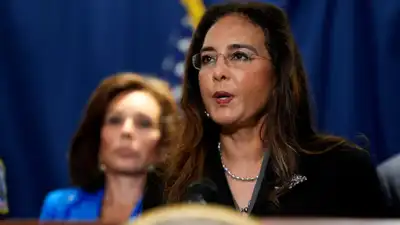
Former DOJ civil rights chief Harmeet Dhillon/Image: Reuters
Dhillon’s departure comes two days after Democrats regained control of both chambers of Congress in the 2026 midterm elections. She is among the first senior officials to leave the administration following the Republican losses. The shift triggered departures among career attorneys, several of whom left the division amid disagreements over its new direction. Dhillon had accused some of the lawyers of prioritising liberal causes and resisting the Trump administration’s policies. In her resignation letter, Dhillon highlighted the administration’s efforts to challenge diversity programmes and school policies concerning transgender students as achievements during her tenure. She also claimed credit for changes to women’s sports policies, as per Reuters.
Harmeet K Dhillon, an Indian-American lawyer who led a major shift in the US Justice Department’s civil rights enforcement priorities under President Donald Trump, has resigned from her position, Attorney General Todd Blanche announced on Thursday.
Cases involving Trump critics
It also unsuccessfully sought criminal charges against Cassidy Hutchinson, a former White House aide who testified before Congress about Trump’s conduct on January 6, 2021, when supporters of the then-president stormed the US Capitol.
They said she wanted to return to private practice and rebuild her firm, which had recently lost several attorneys to other practices.
Dhillon had informed the White House in October that she intended to step down, according to her resignation letter. She is expected to return to her law firm, The Dhillon Law Group, a spokesperson said. However, two people familiar with the matter told Reuters that her decision was also influenced by frustration over being overlooked for promotions within the Justice Department.
She also led investigations involving several prominent American universities, with inquiries focusing on alleged antisemitism, diversity initiatives and policies concerning transgender people. The probe resulted in settlement agreements worth hundreds of millions of dollars with some institutions and contributed to the resignation of the University of Virginia’s president.