
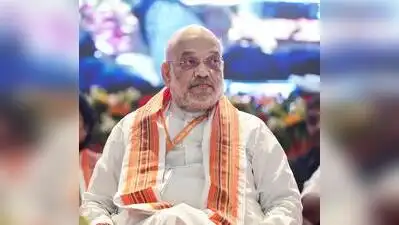
Union Home Minister Amit Shah
Lucknow: A day after Union home minister Amit Shah pitched for implementation of Uniform Civil Code in UP if BJP form govt for the third consecutive time in 2027, the spotlight is back on the party’s attempt to revive its Hindu consolidation plank. The move is being seen as a counter to the opposition’s PDA narrative, which dented the BJP tally in the 2024 Lok Sabha elections in UP. Sources said the push for UCC in UP would allow the party to foreground a major ideological commitment after the abrogation of Article 370 and the construction of the Ram Temple in Ayodhya. Samajwadi Party spokesperson Abdul Hafiz Gandhi said any move towards the Uniform Civil Code must carefully balance Article 44 with the constitutional protections of religious freedom and the rights of different communities.
The UCC plank, sources said, could allow BJP to challenge the rival parties and portray their resistance to it as “politics” of minority appeasement. A senior BJP member said that introducing the UCC will help the party counter the opposition’s attempt to frame campaigns around caste-based coalition or social justice issues, bringing the debate back to the political terrain where BJP traditionally holds an advantage. “The party firmly vouches for implementation of UCC that encompasses all sections of society irrespective of caste and communities,” said UP BJP spokesperson Hero Bajpai. He said it would unify all communities and prevent the opposition from wheeling out its divisive agenda.
Delivering on the promise, they argued, would help reinforce BJP’s credibility among its core nationalist support base ahead of the Assembly elections. The strong objections from the opposition groups could allow the BJP to present itself as the sole defender of national integration. Shah’s statement on proposed implementation of UCC in UP has drawn sharp responses from the opposition parties which argue that BJP’s push for the UCC was strategically timed around elections to polarise society, create communal divisions and distract voters from pressing economic concerns like inflation and unemployment.