
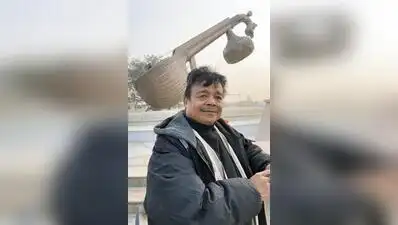
R B Thapa
Lucknow: When I moved from Jaipur to Lucknow in 1991, R B Thapa was working with Navbharat Times. We lost touch briefly after the newspaper shut down in 1993, but reunited later at Dainik Jagran. His photographs from Ayodhya during the Babri Masjid demolition in Dec 1992 remain among the defining works of his career, with one of his images gaining widespread recognition.
You Can Also Check: Gold Rate in Lucknow | Silver Rate in Lucknow | Bank Holidays in Lucknow | Public Holidays in Lucknow | Lucknow AQI | Weather in Lucknow | Petrol Price in Lucknow | Diesel Price in Lucknow | CNG Price in Lucknow | LPG Price in Lucknow Stay updated with the latest Lucknow news. Over nearly three decades, he became more than a colleague, helping me navigate the city’s lanes and introducing me to a part that was then unfamiliar. His rickety scooter, constant jokes and treasure trove of anecdotes made even the longest waits during field assignments enjoyable. Thapa was a photographer from an era when photojournalism demanded physical endurance. Long before digital cameras, photographers carried bulky equipment bags slung over one shoulder for hours. Despite his small frame, Thapa was rarely seen without his heavy camera bag. His scooter and equipment were often in poor condition, but his self-respect and professional integrity never wavered. One incident captures his dedication to the profession. When a camera lens was sent for repairs, Thapa continued carrying his equipment bag, placing a piece of brick inside to maintain its weight. When I asked him why he was doing so, he replied with a smile, “Bhai sahib, when the lens comes back, I will have to carry it again. If I carry an empty bag for so many days, my shoulder will lose the habit of bearing the weight. That was Thapa — disciplined, committed and deeply attached to his craft. He was equally fearless in the field, capturing images amid water cannon action, fires, lathi charges and gunfire. Yet, behind the accomplished photojournalist was a man who faced severe financial hardship in his later years. His life raises uncomfortable questions about how the profession treats those who spend decades documenting society but struggle for dignity and security after their working years. I often wonder whether a small compromise with his principles might have made his life materially easier. But Thapa chose to live by hard work, professional commitment and honesty, refusing to bend his integrity even in adversity. His camera bag weighed heavily on his shoulder, but his conscience never bowed. Download the TOI App.