
Attachment
“Young people in their age group of 20-40 years are being frequently reported of having strokes. Kankane said that in past few years, the number of cases are regularly increasing in the medical college and 15% of the reported cases are youth.
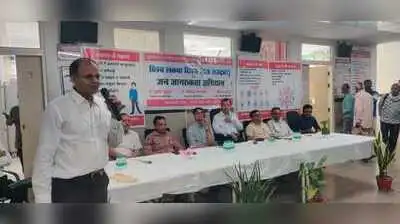
Head of the neurology department Dr Arvind Kanakne said people needed to understand the symptoms, types, causes and preventive measures associated with stroke. He said that stroke cases among young people have also been increasing over the past few decades. Changing lifestyles, lack of physical activity, smoking, diabetes, high blood pressure, obesity and excessive consumption of unhealthy fats are among the major risk factors,” he said. He said stroke occurs when the blood supply to a part of the brain is interrupted or a blood vessel ruptures, depriving brain cells of oxygen and nutrients. Dr Kanakne said timely treatment could significantly reduce the risk of permanent disability.
It can cause permanent disability or death if treatment is delayed. The two major types are ischaemic stroke, caused by a blockage in a blood vessel, and haemorrhagic stroke, caused by bleeding in the brain. Eligible patients may receive clot-dissolving medication within the prescribed time window, while selected patients may benefit from procedures to remove clots. He added that the neurology department provides facilities for stroke-related treatment, including services funded by the Indian Council of Medical Research (ICMR) free of cost.