
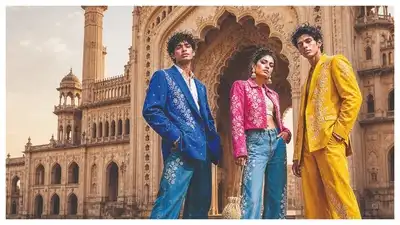
Picture is for representational purposes only (LT AI imagery)
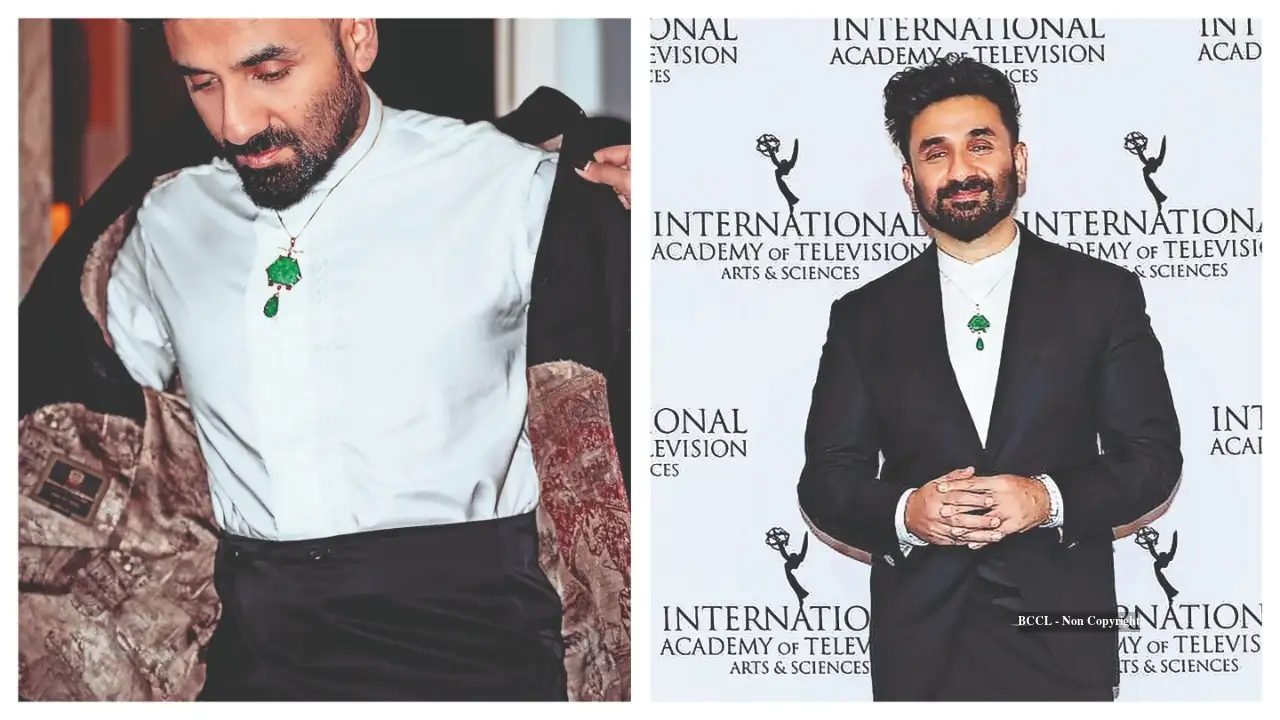
How Chikan reached the Emmys Shubhangi Bajpayee, 30, founder of Salooka and a member of the famous Bajpayee Kachori family, draws inspiration from the traditional salooka, a historic Awadhi garment. He wanted India’s finest crafts to be represented and Chikankari from Lucknow became the highlight of his attire — Shubhangi Bajpayee on the design she created for Vir Das that he wore to the 52nd Emmy Awards in 2024 “We wanted to communicate the essence of our culture through a fresh silhouette. Shubhangi Bajpayee created design for Vir Das that he wore to the 52nd Emmy Awards in 2024 Chikankari for everyday wardrobes For Anam Khan, founder of Hum Chikankari, making the craft relevant means taking it beyond special occasions.
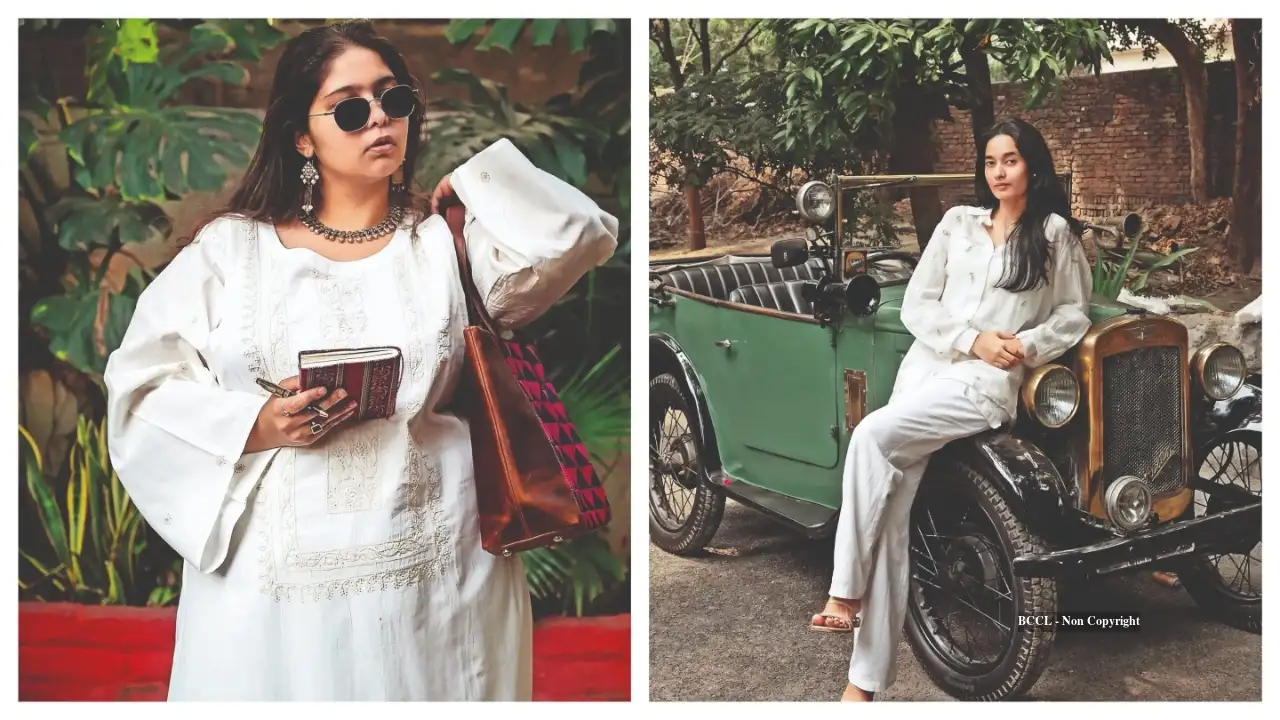
She launched her brand to create modern menswear rooted in local craft traditions. Somewhere, we lost the itmenaan it gave to us and I wanted to bring back that relaxed feel” says Naghma.
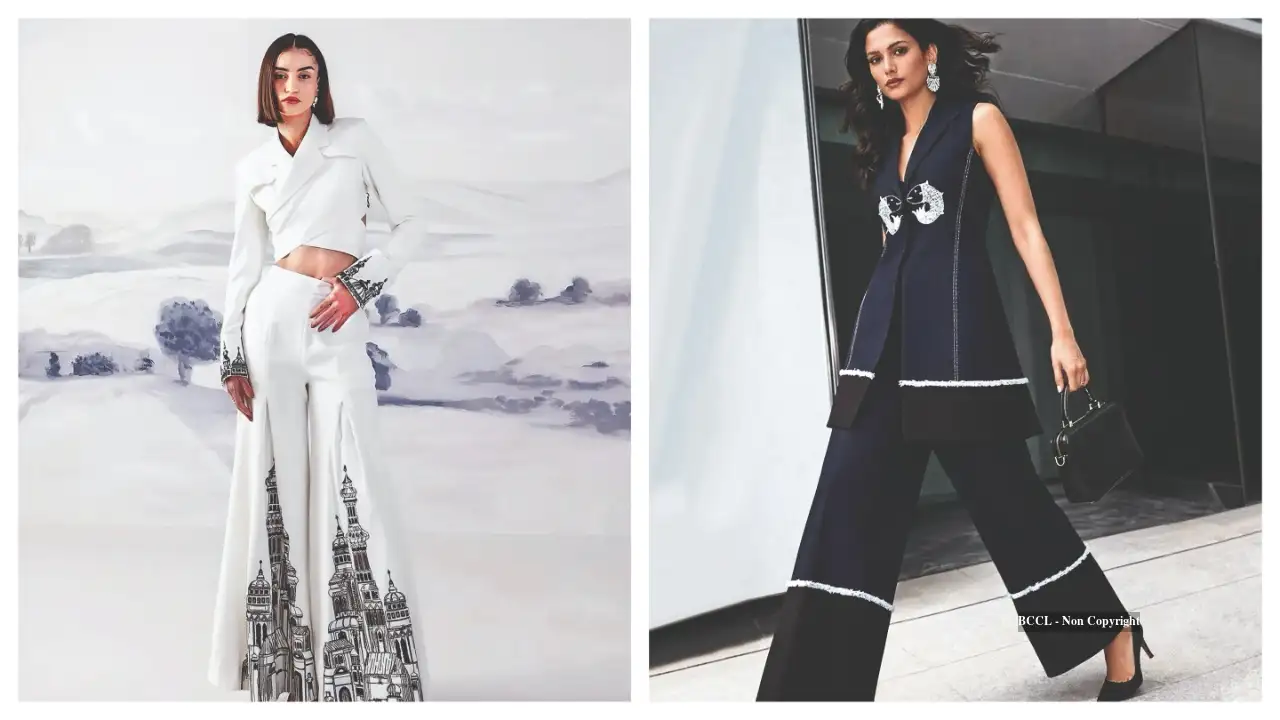
We are reviving extinct designs like kherki and chashme bulbul, and bringing Mukaish back to handloom for menswear,” she says. Her colour palette also comes from the kitchen spice box, “Like haldi, red chilli or the peach tone of a fried kachori,” she says. As Lucknow gains global recognition for its craft, I felt it deserved to be packaged with the main-character energy of a new generation to make it more wearable,” she says. If a college student or young professional can wear it and make it their own, that’s where I think the younger generation reconnects with the craft,” she says. The younger generation wants silhouettes they can actually wear in their everyday lives, and I wanted to see what happens when you put Chikankari into that wardrobe,” she says. I’ve always been inspired by architecture, from arches and symmetry to lines and proportions and I wanted to turn that architectural language into contemporary clothing through structure and detailing and make it aspirational for the young go-getter women and men,” says Aashna. I want people to move and live in their Chikankari,” she says. I also wanted to bring vibrant pop or as we call it chatpate colours back into a craft that had become so dominated by the pastels,” says Harshi.
Generation Z refuses to wear anything that does not match its exact vibe and Lucknow’s new fashion guard is proving that the city’s centuries-old craft can keep pace. Moving beyond angarkhas and kurtas, young designers are repackaging Chikankari into denim jackets, boardroom collections, winter wear and tuxedo shirts, while giving menswear a new canvas for Mukaish. For its 31st anniversary edition, Lucknow Times explores how Chikankari has moved beyond its pastel shell into bold colours and contemporary silhouettes. We made a lungi suit for Vir Das and reimagined the tuxedo dress shirt, which traditionally has a lot of pleats with Chikankari embroidered on one side. Men don’t really have much apart from kurtas and basic shirts, so we have crafted drop-shoulder T-shirts, tuxedo Chikankari shirts, waistcoats, and Mukaish partywear shirts for men. Even artisans are enjoying reimagining embroidery on newer patterns. Her label brings Awadhi embroidery to denim jackets, kaftans, blazers and stoles. “The idea was to give our comfort craft a contemporary personality. “You shouldn’t have to wait for a wedding to wear Chikankari. We created pieces for everyday wardrobes, from denim jackets, skirts and shirts to waistcoats and blazers. When Chikankari took shape Aashna Aggarwal, founder of Orthodox, whose designs have been worn by actors like Tejasswi Prakash and Mansi Parekh, began her journey as a designer in Lucknow three years ago. Growing up around the city’s craft ecosystem, she wanted to challenge the traditional way of wearing Chikankari and give it a more wearable language. “I felt the craft deserved a more contemporary, wearable language. “Living in Lucknow, I felt the craft deserved a more contemporary, wearable language. Orthodox Boardroom Collection inspired by the architecture of Lucknow and other cities by Aashna Aggarwal Bringing back Chikan’s itminaan For Naghma Parveen, founder of Naghma Chikankari, the answer lies in loose, comfortable silhouettes. None of my pieces are body-fitted. “Chikankari has become so embellished with Aari, Zardozi and Mukaish that it is often treated as occasion wear. But traditionally, it was about fine muslin and delicate embroidery, something you could live in through Lucknow’s summers. Chikan’s baddie era For Harshi, founder of Chikankari Hues, the aim is to free Lucknow’s signature embroidery from rigid ideas about where it can be worn. “The Chikan market is so saturated with the same old designs and as a young entrepreneur, I thought to work on the evolution of the craft while keeping the art intact. Her Chikankari Baddie collection includes dresses, blazers, woollen shirts and wide-leg pants designed for travel, work and everyday wear. “The young generation wants a vibe in almost everything they do. We brought Chikankari embroidery into our winter boardroom collection, with blazers, woollen shirts and wide-leg pants in the market,” she adds. A familiar motif can feel entirely new when placed differently. So we use symbols such as mahi maratib, kache aam ki keri, symbols that are quintessential to Lucknow — Naghma Parveen
“Today’s generation wears loose fits and drop shoulders. Naghma Chikankari ft baggy fits Chikankari Hues by Harshi and (R) Hum Chikankari by Anam The younger generation today understands how small elements can say something about you.
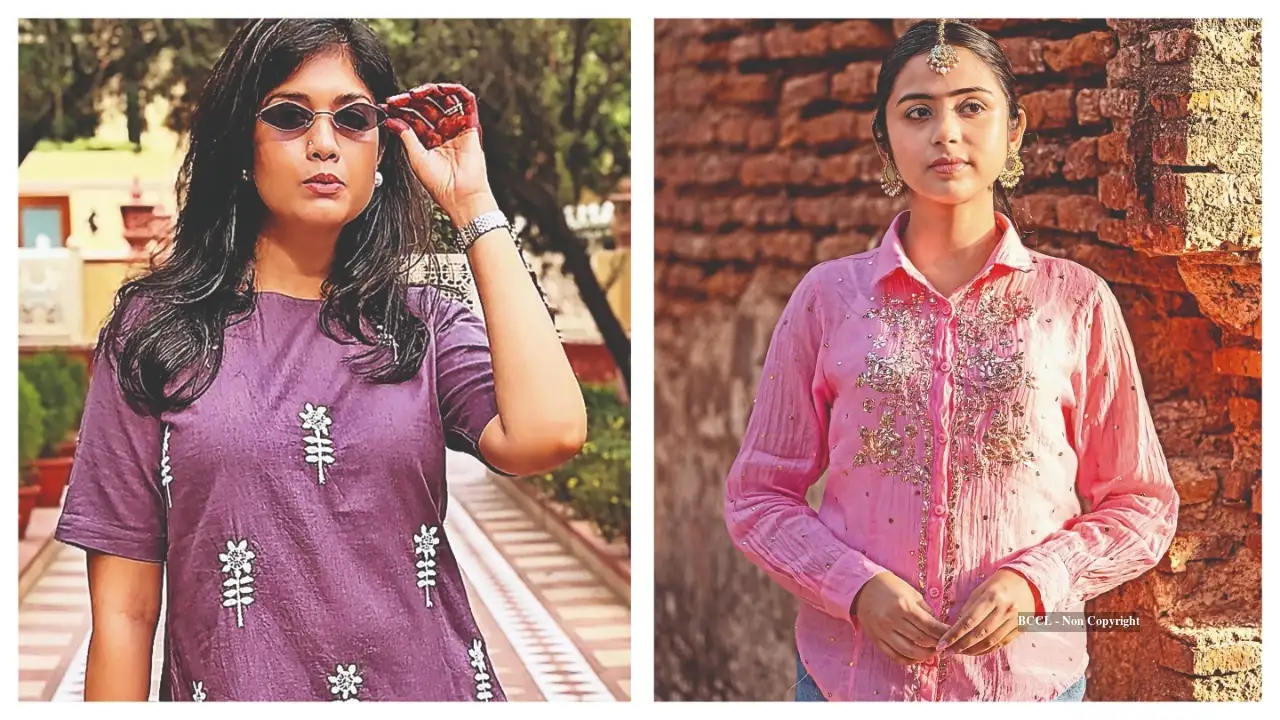
Young people are also reconnecting with their roots and becoming more intentional about what they wear, including sustainability and what their clothes stand for and chikankari has all the right vibe,” she says — Anam Khan, designer – Amina Ashraf You Can Also Check: Gold Rate in Lucknow | Silver Rate in Lucknow | Bank Holidays in Lucknow | Public Holidays in Lucknow | Lucknow AQI | Weather in Lucknow | Petrol Price in Lucknow | Diesel Price in Lucknow | CNG Price in Lucknow | LPG Price in Lucknow Stay updated with the latest Lucknow news. There are barely a few people working on the evolution of the craft in the way a new generation could connect with. Download the TOI App.
“A lot of young Lucknowites today are trying to work on the continuity of the craft, which was interrupted right after industrialisation. The goal is to keep evolving the craft so it thrives on the streets today, rather than ending up as a static artefact behind a museum display case,” says Shubhangi, founder of Salooka.