Hair growth is a continuous biological process, and it is influenced by much more than genetics or hormones. The hair follicle responds to the body’s overall physiological environment, so prolonged stress, poor sleep, and an unhealthy lifestyle can affect the normal hair growth cycle.

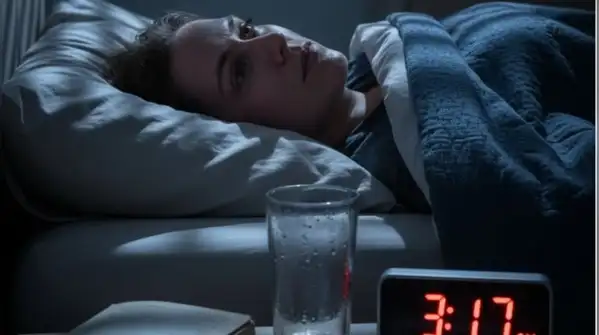
A similar pattern can also be seen with rapid weight loss, including in some people using GLP-1 medications such as Mounjaro, where physiological stress and nutritional changes may contribute to telogen effluvium.” (Image Credits: Pinterest) Sleep is another factor that deserves greater attention. Because different types of hair loss can behave very differently and require different approaches. (Image Credits: Pinterest), identifying the underlying cause is essential. One of the clearest examples is stress-related shedding, or telogen effluvium. Significant emotional or physical stress can disrupt the normal cycle and push a larger number of follicles into the resting phase. Remember that shedding may not appear immediately. Dr. Rinky Kapoor, Clinician Scientist & Research Mentor, explains, “In many cases, increased hair fall becomes noticeable weeks or even a few months after the triggering event, which is why people may not always connect the two. Sleep helps regulate several processes involved in hormonal balance, stress responses, immune function, and the body’s circadian rhythm. Emerging research has found associations between disturbed sleep and different types of hair loss, although the relationship is complex and can work in both directions. Hair loss itself can also create anxiety and disturb sleep, creating a cycle that can be difficult to break. (Image Credits: Pinterest) Modern lifestyles can add several stressors at once: irregular sleep schedules, prolonged screen exposure, sedentary routines, restrictive diets, rapid weight changes, and persistent psychological stress. These factors do not mean that every episode of hair fall is lifestyle-related. Genetics, hormones, nutritional deficiencies, medical conditions, and the specific type of hair loss must also be considered. (Image Credits: Pinterest) The important message is that hair should be viewed as part of the body’s larger biological system. Maintaining regular sleep, adequate nutrition, physical activity, and better stress management can support overall health, but persistent or sudden hair loss should not simply be attributed to lifestyle.