
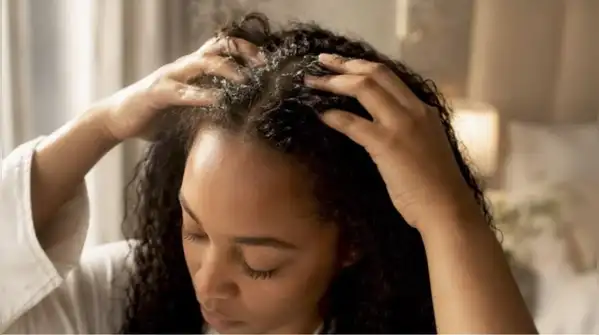
Consumers are moving beyond shampoos, oils, and cosmetic repair and asking important questions like, “Is my scalp healthy enough to support normal hair growth?” Hair fall has moved from being a seasonal beauty complaint to a persistent concern. What is changing is how people understand the problem.

Temperature, humidity, pollution, hard water, chemical procedures, and repeated hair heating can influence both the scalp and the hair shaft at once. Various types of stress, poor nutrition, sudden weight loss, disease, complications with hormones, and insomnia can speed up the process of follicles entering the telogen phase, which leads to telogen effluvium and diffuse shedding of the hair that can happen weeks or months after the stimulus.
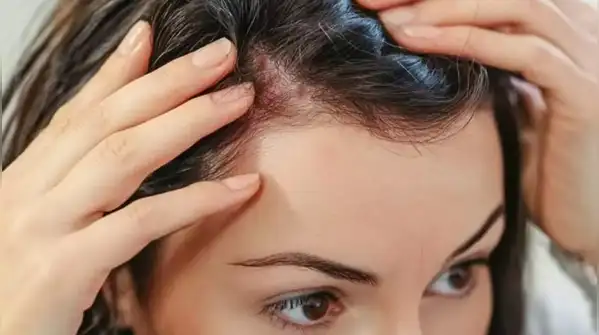
Because cosmetic hair treatments alone cannot address progressive alopecia, recognising this distinction matters. Androgenetic alopecia, or pattern baldness, is primarily based on genetics and the sensitivity of hair follicles to dihydrotestosterone (DHT), which results in gradual thinning of the hair. In women, widening of the central part and reduced density over the crown can be early signs. This is where scalp assessment becomes important. Dr Priyanka Keshav, Dermatologist, VLCC, explains, “A professional consultation should look beyond the hair strand and assess scalp condition, density, shedding pattern, hair texture, and lifestyle factors. Scalp analysis can help identify concerns such as excess sebum, dandruff, dryness, buildup, or irritation. Recent illness, stress, dietary restriction, medications, hormonal changes, and family history can provide important clues. A dermatologist may recommend investigations for nutritional or endocrine contributors. The future of haircare is not about choosing between beauty and science. It is about bringing the two together, and that is “understanding the scalp, identifying the cause, personalising care and intervening early. When we stop treating hair fall merely as a cosmetic inconvenience and start viewing it as a potential indicator of follicular and scalp health, haircare becomes more preventive, precise, and meaningful to consumers.