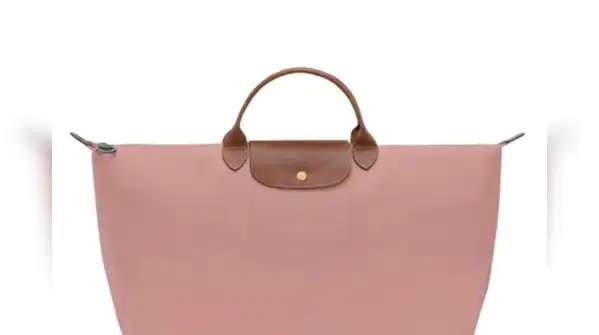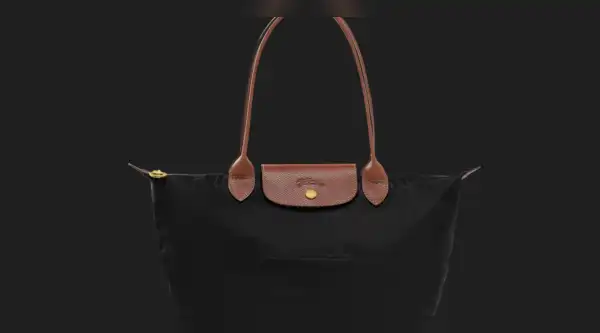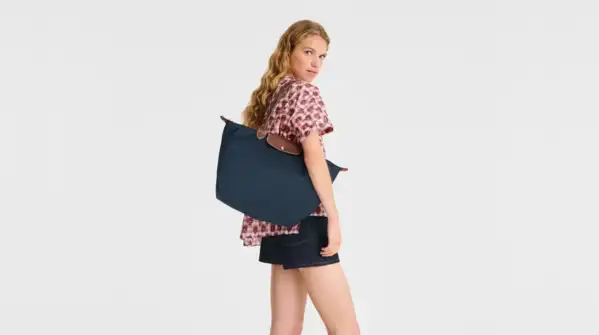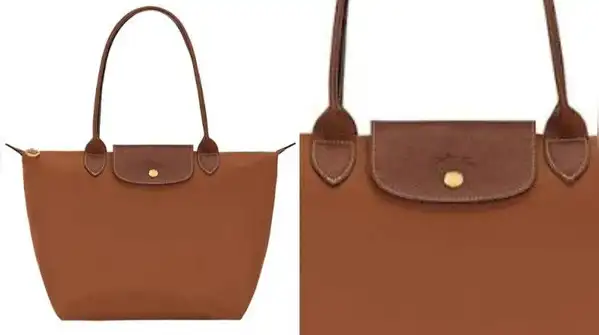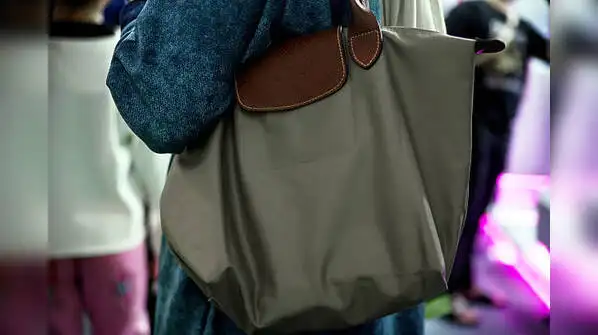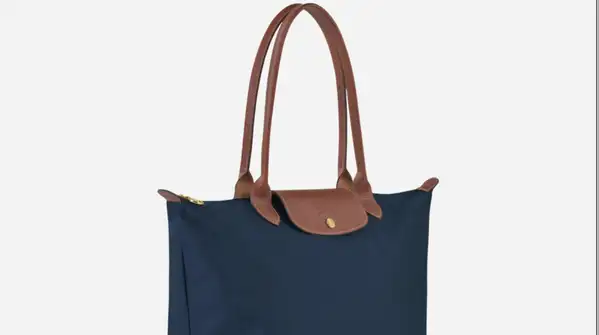
Longchamp’s Le Pliage tote looks deceptively simple. That’s part of its charm, really. A lightweight nylon body, leather handles, a little flap and the instantly recognisable horse logo – there’s not much to it.
Things to check before buying the Longchamp tote bag
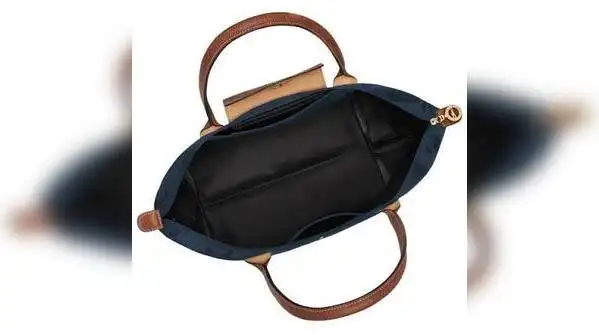
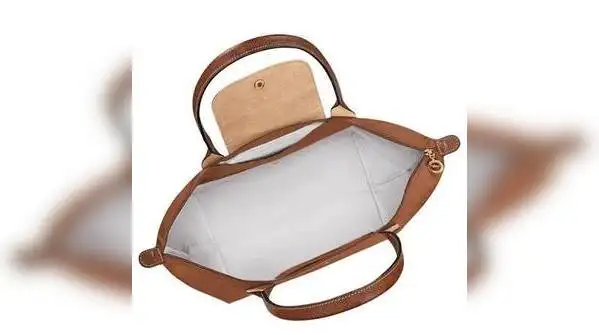
Because it feels slightly different from another Longchamp you’ve owned, that said, don’t reject a bag just. And yet, that simplicity has made the bag a favourite among counterfeiters. If you’re buying a Longchamp tote from a reseller, marketplace or second-hand seller, don’t rely on the logo alone to tell you whether it’s genuine. Fakes have become much better at copying the obvious details. The giveaway is often in the smaller things. A genuine Le Pliage is known for its distinctive nylon fabric. It should feel lightweight but reasonably sturdy, with a clean, even finish. A fake may feel unusually thin, stiff, plasticky or flimsy. The fabric can also look overly shiny or have an uneven texture. The brand has different collections and materials, so comparing it with the correct model is important. The leather details are another place where a counterfeit can give itself away. Check the handles, flap and other leather sections for neat edges and consistent stitching. On a genuine bag, the leather should look well finished rather than rough or poorly cut. If the leather feels excessively cheap, the edges look messy or the stitching is uneven, take a closer look at the rest of the bag before buying it. The Longchamp horse-and-rider logo is one of the bag’s most recognisable details, but it’s also one of the easiest things for a counterfeit to copy. Look at the logo closely rather than simply checking that it’s there. The horse, rider and lettering should be clean and properly defined. Blurry details, awkward proportions, uneven embossing or lettering that doesn’t look quite right are warning signs. And don’t forget the logo on the hardware and leather tab. Compare these details with official images of the exact bag you’re considering. This is one of those boring details that can actually tell you a lot. Look along the handles, flap, seams and edges. The stitching on an authentic bag should generally be neat and consistent, without loose threads, wildly uneven spacing or obvious messy sections. One imperfect stitch doesn’t automatically make a bag fake – real bags are made by people, after all. But several sloppy details together should make you pause. The zip, snaps and other metal hardware deserve a closer look too. On genuine Longchamp bags, the hardware should have a clean, well-finished appearance, and the markings should be consistent with the particular model and production period. Turn the bag inside out. This is where you may find details that aren’t immediately visible from the outside. Look at the interior branding, labels, stitching, care information and any model-specific markings. These details can vary between Longchamp collections and production years, so don’t use one random picture online as the only reference. Instead, compare the bag with photographs of the same model, colour and collection. A bargain can be tempting, especially when someone claims they’re selling a genuine Longchamp at a fraction of its usual price. But if the price seems almost too good to be true, stop and ask why. An unusually low price doesn’t prove that a bag is fake. Second-hand bags can genuinely be inexpensive, and sellers may have their own reasons for pricing them that way. But when a suspicious price comes with poor stitching, questionable hardware and details that don’t match the genuine version, the chances of a counterfeit go up. If authenticity matters to you, buying directly from Longchamp or from an authorised retailer is the simplest option. If you’re shopping pre-owned, ask the seller for clear photographs of the logo, leather tab, stitching, hardware, interior label and any identifying markings before paying. And if the seller refuses to provide basic photographs, rushes you into buying or gives vague answers about where the bag came from, it’s probably better to walk away. One detail rarely tells the whole story. A convincing fake may get the logo right but mess up the stitching, or copy the leather while getting the hardware wrong. Look at the bag as a whole, and don’t let a tempting price make the decision for you.