An engagement ring is unlike most jewellery you will ever buy. It marks an important moment in your life, but it is also something you may wear almost every day for decades.
You Don’t Need a Course in the 4Cs – You Need a Benchmark
Suppose a jeweller recommends a round, 1-carat, G-colour, VVS1-clarity diamond with Triple Excellent cut and no fluorescence. Because you love it, not because it happens to be trending, choose the shape. Comparing across laboratories may therefore not give you a true like-for-like price comparison.
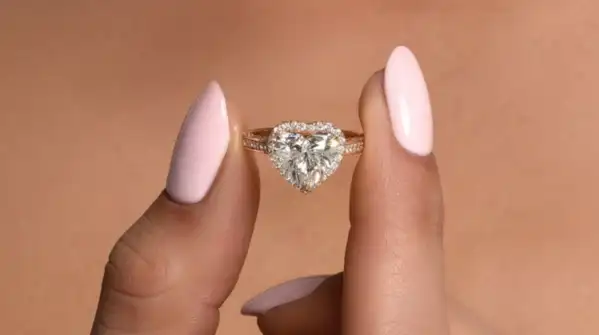
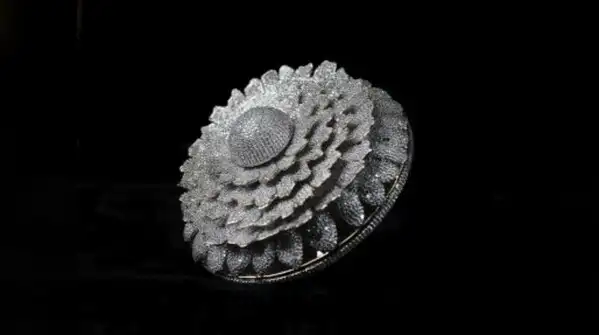
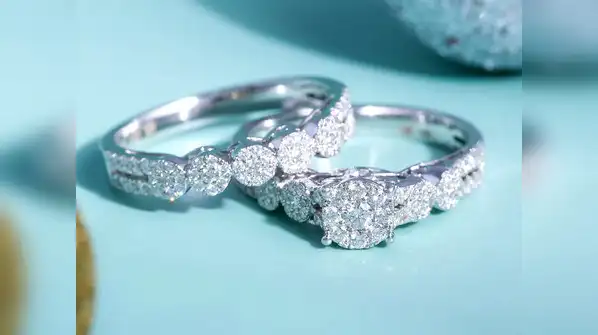
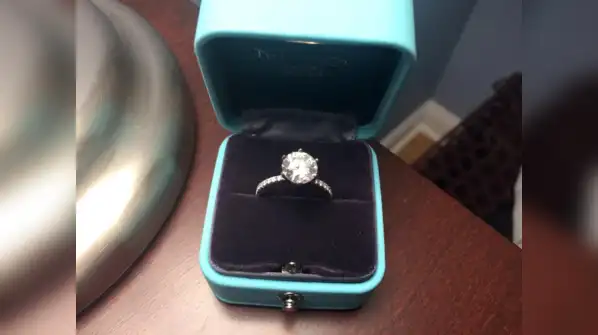
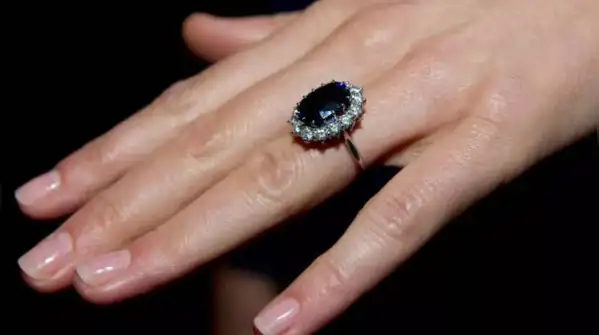
Instead of asking another jeweller, “What does a one-carat solitaire cost?”, ask what they can offer with the same carat weight, colour, clarity, cut and fluorescence. Instead of relying on descriptions such as “excellent quality”, buyers have an independently assessed set of specifications that provides a common starting point for comparison. For many couples we meet, choosing the ring together is one of their first significant wedding decisions. But once they begin shopping, what seemed simple can become surprisingly complicated. Similar-looking diamonds can be quoted at very different prices, and it isn’t always obvious why. A little research isn’t about becoming a diamond expert. It is about understanding enough to make the decision with confidence – and then being able to enjoy what the ring represents, Rohan Hemdev, Director, Ananya Jewels shares insights on how to pick the best engagement ring. There is no right amount to spend on an engagement ring, and certainly no formula based on how many months of salary it should cost. Decide what you are comfortable spending before you start looking. There will always be a larger stone or higher specification available, so give the jeweller a clear starting point: “This is what I am comfortable spending. What would you recommend within it? A good jeweller should help you use that budget well rather than simply keep moving you upwards.(Image Credits: Pinterest) Before getting into specifications, try different shapes – round, oval, emerald, pear or marquise. Don’t choose entirely from photographs; a shape can feel very different once it is on your hand. We often see couples arrive convinced about one shape and prefer another after trying them. Marigold Diamond Ring (File photo: AFP) Carat, colour, clarity and cut all matter, but a first-time buyer doesn’t need to memorise grading charts. You need to understand the specifications being recommended and why they work for your budget. Write those specifications down. You now have something genuinely useful: a benchmark. There is one important rule: compare diamonds graded by the same laboratory. Different laboratories may apply grading standards differently, and apparently similar specifications from different laboratories can also be valued differently in the market. Compare, as closely as possible, the same specifications graded by the same independent laboratory. Now you have a meaningful market reference for judging whether what you are being offered represents good value. Independent third-party grading is important when buying a significant solitaire, irrespective of where you buy it. Whether you are buying from a standalone jewellery store or a company with a hundred-store network, the person selling you the diamond should not be the only person telling you what that diamond is. Ask which independent gemological laboratory graded it. Check that the laboratory is established and credible, and make sure the grading report can be independently verified. Certification has brought something extremely valuable to diamond buying: standardisation. Certification should not simply provide reassurance. It should give you the information you need to compare what you are buying.
Then Look Beyond the Report
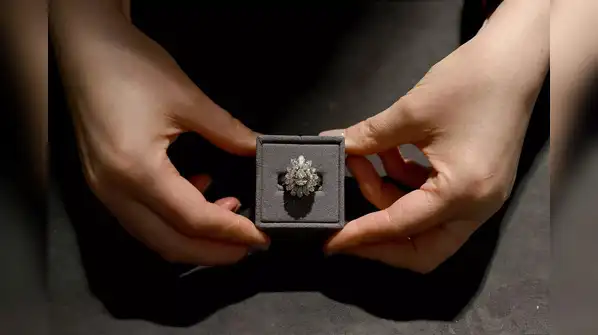
When the solitaire forms a significant component of the ring’s value, spending all your energy negotiating the making charge while barely comparing the centre diamond can mean focusing on the smaller number. Get the order right. Understand and compare the solitaire first. The setting, craftsmanship and making charges matter too, but your attention should broadly follow where your money is going. Once you have done the comparison, come back to the diamond itself. If possible, see more than one option alongside each other. Ask the jeweller why they prefer one stone over another and, if one costs more, what makes it worth more. Sometimes the difference will be apparent. Sometimes you may decide that paying for a higher specification makes very little visible difference to you. Either decision is fine, provided you understand the choice you are making. The specifications give you a basis for comparison. Seeing the diamonds in person helps you decide which one you genuinely prefer.
Remember, You Are Buying a Ring Too
Because once you are confident that you have chosen well, the decision should come back to what the ring means to both of you. Don’t become so absorbed in the solitaire that you forget the ring around it. If you intend to wear it every day, comfort and security matter. Look at how the diamond is set, how the ring sits on your finger and whether the design is something you will continue to enjoy years from now. Craftsmanship and finishing matter too, as does having a jeweller who will look after the ring after the purchase. Getting the best value doesn’t mean finding the cheapest diamond or lowest making charge. It means knowing where your money is going and deciding that those are the things you want to pay for. Choose the Jeweller as Carefully as the Diamond Look for transparency. Does the jeweller explain why they are recommending a particular diamond? Do they willingly share a verifiable grading report and show you alternatives? If one diamond costs more, can they explain why in a way you understand? A good jeweller shouldn’t make a first-time buyer feel they need to know everything about diamonds. They should make the diamond easier to understand. There comes a point when you have done enough. You know what you are comfortable spending. You have found the shape that feels right, understood the solitaire’s specifications, checked the independent grading, made a genuine like-for-like comparison and satisfied yourself that you are getting good value. At that point, put the spreadsheets away and put the ring back on. An engagement ring isn’t meant to be remembered as the one you negotiated best. It is meant to remind you of the person you chose, and the moment in your lives when you chose each other. That is what the research is for – not to take the emotion out of the decision, but to clear away enough uncertainty that you can enjoy the moment with confidence. (Instagram)