
We are used to calling handloom a skill. After years spent with weavers in Varanasi, I have come to think that word is too small. What a master weaver holds is knowledge—and knowledge, unlike a product, can disappear in a single generation.

The design before the loom
The loss is therefore selective. Because there is demand for them, tanchoi, cutwork, and kadhua survive. Because anyone decided to end them, but because no one ordered them for a decade, and the two or three weavers who still knew them grew old, rarer structures like uchang and dampach thin out—not. Because a craft that stops practicing its hardest work eventually forgets how. (Image Credits: Pinterest), not for nostalgia, but.
What is lost there is not a technique. Before a Banarasi saree is woven, it must be thought of. Traditionally, this was the work of the naqshaband, a designer who translated a motif into a jala—an intricate arrangement of threads that instructed the loom long before punch cards existed. The naqshaband was not decorating cloth. He was writing a language the weaver could read. Jacquard has since replaced most of that system, and the number of people who can still make a jala has fallen to a handful. It is a form of literacy. (Image Credits: Pinterest) Turn a Banarasi over. If the motifs on the reverse are clean, with no threads running between them, you are likely holding kadhua—where every motif is woven separately, on its own small spool, by hand. If long threads float across the back and have been trimmed away, it is fekuwa, or cutwork, woven faster. Both are handloom. Both are honest. But a kadhua saree may keep one weaver at one loom for months, and that is the difference you are paying for. This is what I mean by knowledge: a buyer who can read the reverse of a saree can never be misled about the front. (Image Credits: Pinterest) The threat to Banaras is usually described as powerloom competition. I would put it differently. Machines reproduce what is commercially safe and technically simple. Everything demanding is left behind. We have gone looking for these weaves and commissioned them deliberately.

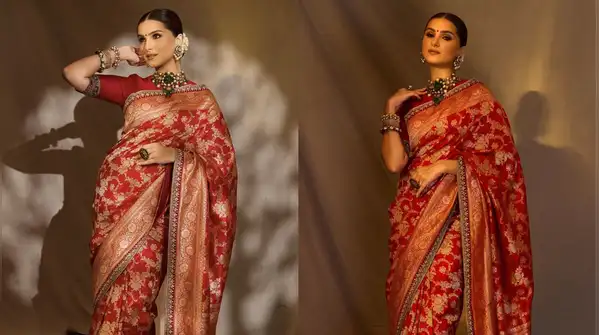
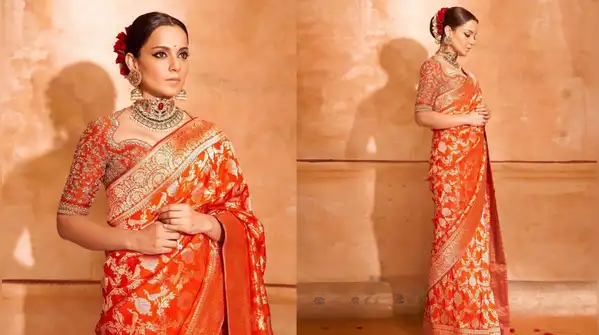
Powerloom has a legitimate place. Selling it as handloom does not—and the remedy is not outrage; it is information. Ask what the weave is called. Ask how long it took. Ask about the zari, the silk, and the loom. Look for the Handloom Mark, Silk Mark, and GI certification. A seller who knows their craft will enjoy the questions. One who does not will change the subject. (Image Credits: Pinterest) A Banarasi is often called an heirloom, and it is. But an heirloom is not only an object handed down. It is the knowledge that made it, still alive in someone’s hands. When you buy a handwoven Banarasi, you are not paying for silk and zari. You are keeping a loom occupied, a technique practised, and a body of knowledge in circulation for one more generation. That, to me, is what craft really is. Not decoration. Knowledge, worn. (Inputs by: Reena Katiyar, Founder, Kasturi Kundal) (Image Credits: Pinterest)