
Months of planning go into bringing together every detail, and jewellery has always been an integral part of how an Indian bride sees herself on that day.
A bride’s wedding day is a moment she has often imagined long before the wedding itself begins to take shape.
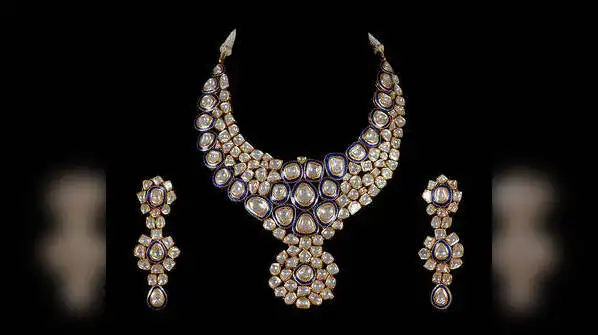
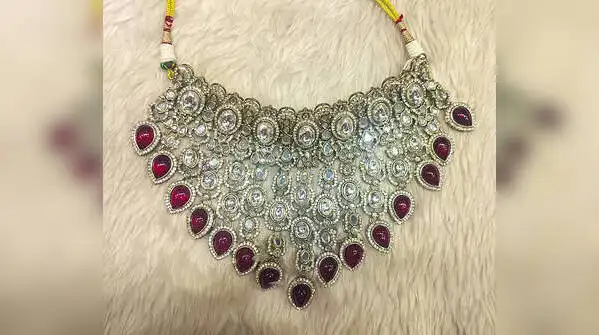
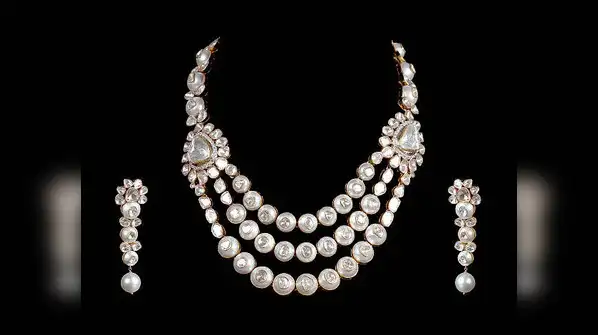
A statement piece therefore does not necessarily have to be the largest or the one with the most diamonds. What is changing is not the importance of bridal jewellery, but the way brides are choosing it. She may embrace tradition wholeheartedly for one celebration and choose something completely contemporary for another. She may layer several pieces for the wedding ceremony, yet still want one necklace, gemstone or design to become the defining element of that look. One of the biggest trends we are seeing is that brides no longer necessarily approach their wedding jewellery as one collection that must follow the same design language. Instagram, Pinterest, celebrity weddings, travel and exposure to jewellery from across the world have given brides enormous visual inspiration. One bride recently came in with reference images for her wedding day – heavy, old-world Polki with an antique finish, the kind of look that’s had a real moment in bridal jewellery over the last couple of years. For her sangeet and reception, though, her references were completely different: sleeker settings, solitaires, a far more modern silhouette. The same bride, three celebrations, three very different jewellery briefs – and increasingly, that’s the kind of request we’re getting. Contemporary diamonds may work beautifully for a cocktail, coloured gemstones for a sangeet, while the wedding itself may see the bride embrace Polki or jewellery deeply rooted in tradition. Greater exposure to contemporary design hasn’t reduced that appeal – if anything, brides now choose tradition deliberately, as a way of carrying their heritage into the celebration rather than defaulting to it. Indian bridal jewellery has always celebrated grandeur, and layering continues to remain an important part of it. A choker with a longer necklace or hara, complemented by earrings, bangles and a maang tikka, can still create a magnificent bridal look. What we are increasingly seeing, however, is greater thought being given to which piece should lead the look. One extraordinary necklace may become the hero, with the remaining jewellery selected to complement it. For another bride, the focal point may be a striking pair of earrings, an exceptional emerald or a beautifully designed Polki choker. Its impact can come just as easily from an unusual silhouette, an exceptional gemstone, an unconventional diamond cut, or simply a design with a strong identity of its own – colour and cut increasingly doing the work that scale once did. There is real experimentation here too: rose cuts and other unconventional cuts bring a softer, old-world character quite different from the brilliance of a conventional round diamond, particularly when paired with coloured gemstones or pearls. An exceptional emerald, for instance, can define the entire character of a necklace on its own. Polki is a significant part of this conversation. We are seeing strong interest in it, particularly for the main wedding ceremony, and its prominence at celebrity weddings has kept it firmly within the visual vocabulary of younger brides. A Polki choker combined with emeralds or pearls can become the defining element of a bridal look, and traditional pieces can be styled alongside different silhouettes and outfits, letting the bride retain their character while still making the look her own. For many brides, wearing traditional jewellery isn’t simply about following convention – it’s an expression of identity. Individuality, in other words, doesn’t require moving away from tradition. Tradition itself can be the statement. (Image Credits: Pinterest) This growing comfort with tradition is also breaking down a divide that has long shaped Indian bridal jewellery – the distinction between what a North Indian bride wears and what a South Indian bride wears.
Today’s bride is more informed, more experimental and far more involved in putting together each of her wedding looks. This is perhaps what is driving one of the most interesting shifts in bridal jewellery today – the rise of the bridal statement piece, says Rohan Hemdev, Director, Ananya Jewels as he explains the craze around bridal statement pieces. It is quite common today for a bride to walk into a consultation with screenshots saved for almost every celebration – one for the mehendi, another for the sangeet or cocktail, and very specific references for the wedding and reception. There is real pride in wearing jewellery that reflects one’s roots, and today’s bride is increasingly comfortable celebrating that heritage rather than toning it down.
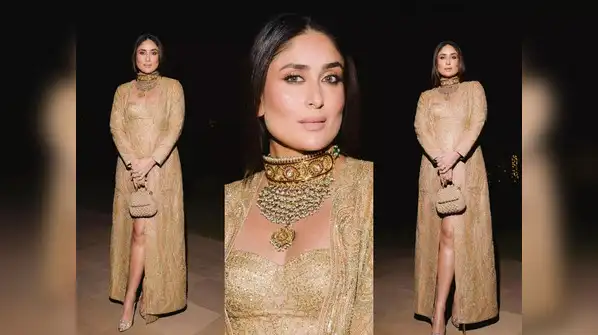
Jewellery is sometimes chosen before the outfit
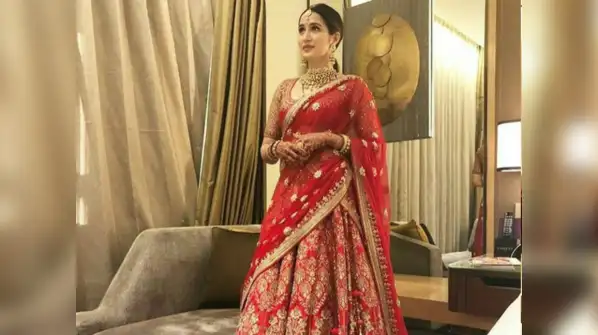
For years, certain styles remained largely regional: temple jewellery and antique finishes closely associated with South Indian brides, Polki and Kundan dominating weddings in the North. We’re increasingly seeing South Indian brides embrace contemporary diamonds and Polki for their sangeet or reception, and North Indian brides showing genuine interest in styles long associated with the South. A bride’s regional background is no longer the sole determinant of what she wears – her personal taste and the occasion matter just as much. Another change we’ve noticed is the point at which jewellery enters the bridal-planning process. Traditionally, the outfit was finalised first and jewellery selected around its colour, neckline and embroidery. That still happens, but increasingly, we meet brides who fall in love with a particular piece first – the outfit, neckline, hairstyle and rest of the styling are then planned around it. Jewellery, in these cases, isn’t completing the look. It’s the starting point. This is also where the role of the jeweller shifts – from matching a reference exactly to translating its spirit. For the bride wanting heavy antique Polki, that meant sourcing the right stones and craftsmanship for genuine old-world character. For her more contemporary celebrations, it meant an entirely different design vocabulary – cleaner settings, solitaires, a more modern silhouette – even though the same bride wore both. (Image Credits: Pinterest) There is no single definition of the modern bridal statement piece. For one bride it could be an emerald-and-diamond necklace; for another, a traditional Polki choker; for a third, rose-cut diamonds or an elaborate layered look built around one exceptional piece.
That line is far less rigid today.
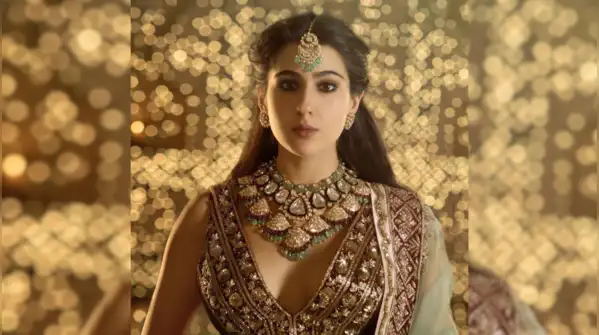
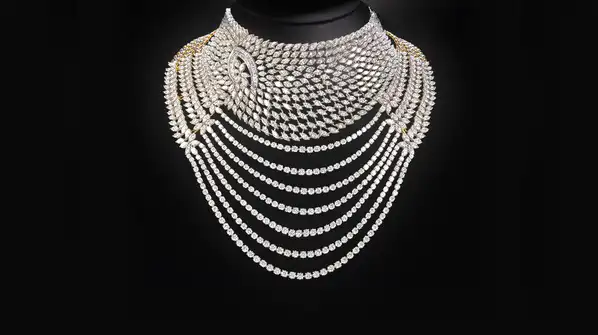
What has changed is the confidence with which brides are making these choices – more exposed to design, more willing to experiment across celebrations and regions, and unconstrained by what was traditionally expected of them. The new bridal statement isn’t about choosing between tradition and contemporary design, or more jewellery and less. It’s about choosing with greater intent – and creating a look that is unmistakably her own.