The holiday season is around the corner, which means family dinners, crowded counters and a turkey that has to be ready on time. This year, the kitchen might be the most important place to get things right.
Doctors are paying attention to what happens before the oven door even opens, and one habit that many cooks consider a step towards cleanliness is now the one they want retired.
A new national survey from Orlando Health found that nearly 60% of US adults are more worried about foodborne illness this year than in previous years. “2026 has been an extraordinarily bad year for food safety, especially in terms of the number of outbreak cases and the volume of recalls by weight.
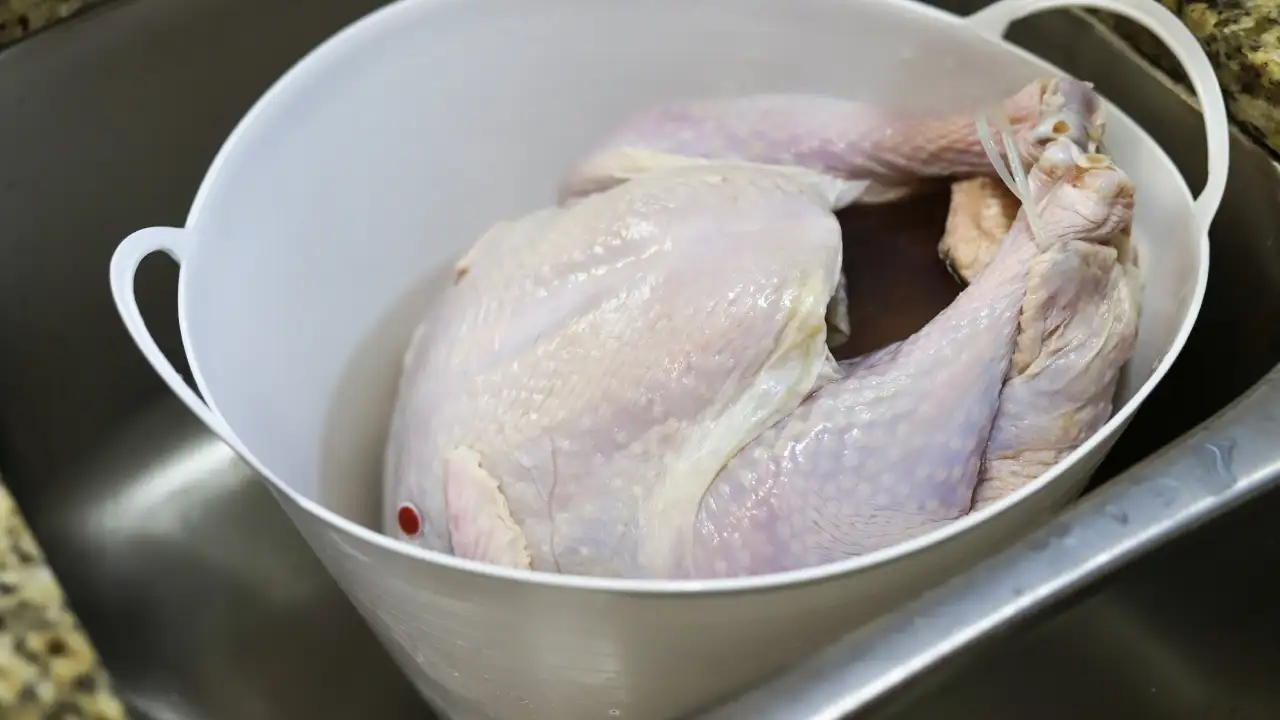
“Do not rinse raw turkey or chicken in the sink,” the doctor says. With the holiday season approaching, it’s crucial to stay alert, especially when it comes to how food is prepared, served and stored. The new survey found that more than half of US adults are concerned about food safety as the holiday season arrives. Wash your hands between tasks: Take a moment to wash your hands between tasks. Using soap and water each time you switch activities, whether you’re moving from raw turkey to the stuffing bowl, coming back from the bathroom or cooking while feeling unwell, is among the simplest ways to keep germs from spreading throughout the meal. Never wash or rinse raw poultry: Rinsing raw turkey in the sink feels like cleaning, but it mostly spreads bacteria. Water splashes onto counters, plates, utensils and the sink itself. Cooking is what kills the germs, so the bird doesn’t need a bath first. Use a food thermometer to check internal temperatures: During the festive season, avoid relying on visual inspection alone. Use a thermometer probe to ensure your turkey and other meats reach a safe internal temperature. This keeps them out of the danger zone, where bacteria multiply. You might be cooking every day, but holidays are different. They come with their own health risks. “Holiday cooking is unique compared with your normal daily or weekly cooking. When cooking large meals, you might skip a few steps here and there to try to be more efficient. But that increases your risk of transmitting infection,” Dr Egan explained.