
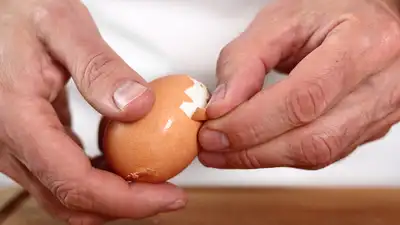
Peeling boiled eggs can be a frustrating and cumbersome task.
One of the main reasons boiled eggs are hard to peel is their freshness, experts from the Faculty of Animal Science at IPB University have said. There is nothing worse than rushing through a morning, trying to get to work on time and struggling to peel your breakfast. You want to be healthy, and you want to start your morning on the right track. So, you decide to have boiled eggs every morning to up your protein intake. And thus begins the daily morning tussle with peeling boiled eggs. Who thought the most difficult part of being healthy would not be the discipline or the food, but just preparing it, even if it is something as simple as boiled eggs? Don’t worry, here are a few hacks to ensure your eggs are easy to peel every time. Fresh eggs have a strong bond between the inner shell membrane and the egg white, which makes it difficult to peel the shell off without pulling up pieces of the white. As eggs age, they gradually lose carbon dioxide through their porous shells. This changes the pH of the egg white, weakening its attachment to the inner membrane and making the shell easier to remove after cooking. So, if you are planning to make a batch of boiled eggs for the week, using eggs that are a few days old may actually work in your favour. But, don’t end up using expired eggs. The way you cook the egg is also important: cooking for too long can change the texture of the egg white, making it rubbery. Thin or fragile shells can also crack during cooking, adding to the peeling struggle. Not always. If your hard-boiled egg doesn’t peel easily, that doesn’t mean it’s spoiled., but rather depends on the egg’s freshness, the bond between its shell and membrane, and how it was cooked.
Here are 5 hacks to get perfect peel from boiled eggs. Once the eggs are cooked, immediately transfer them to a bowl of ice water for 10-15 minutes. Because the egg white becomes less firmly attached to the shell membrane over time, slightly older eggs are generally easier to work with.
Before you blame yourself for cooking the eggs incorrectly, there is a little science behind why some eggs refuse to cooperate. However, peeling it doesn’t tell you whether the egg is safe to eat. Pay attention to how the egg was stored, whether its shell was cracked before cooking, and whether it has an unusual or unpleasant smell after peeling. If you notice a bad smell, strange slimy texture or other signs of spoilage, discard the egg. Eggs that have been cooked should also be refrigerated promptly rather than left at room temperature for extended periods. As tempting as it is to use the freshest eggs in your refrigerator, they may be the hardest to peel. If you buy eggs from your local kirana store or supermarket, plan your boiled egg breakfasts around eggs that have been stored properly for a few days. Do not use eggs that are past their safe storage period simply to make peeling easier. Instead of putting eggs in a cold pan of water and waiting for it all to heat up, try putting them gently into boiling water. Starting at a higher temperature helps the outer egg white set quickly, which can make it easier to separate from the shell membrane. Keep the temperature controlled and avoid overcrowding the pan. Give boiled eggs an ice bath to make peeling easier. This is one of the easiest tricks to try if your boiled eggs regularly turn into a peeling disaster. This rapid cooling stops the cooking process and causes the egg to contract slightly, helping create a gap between the egg white and the shell membrane. It also prevents the eggs from continuing to cook in their residual heat, which can leave the whites rubbery and the yolks dry. Once the eggs have cooled, tap them gently against a hard surface until the shell develops small cracks. Roll the egg under your palm to loosen the shell further. The aim is to create a network of small cracks without crushing the egg white underneath. You can then begin peeling away the shell in sections rather than attempting to remove it in one large piece. Have you noticed that one end of an egg is usually broader than the other? The wider end generally contains an air pocket, making it a useful place to begin peeling. Gently remove a small piece of shell at this end before working your way around the egg. Peeling under a gentle stream of running water can also help loosen the membrane and wash away tiny shell fragments. Many home cooks swear by adding salt, vinegar or baking soda to the boiling water. However, these methods are not equally reliable.
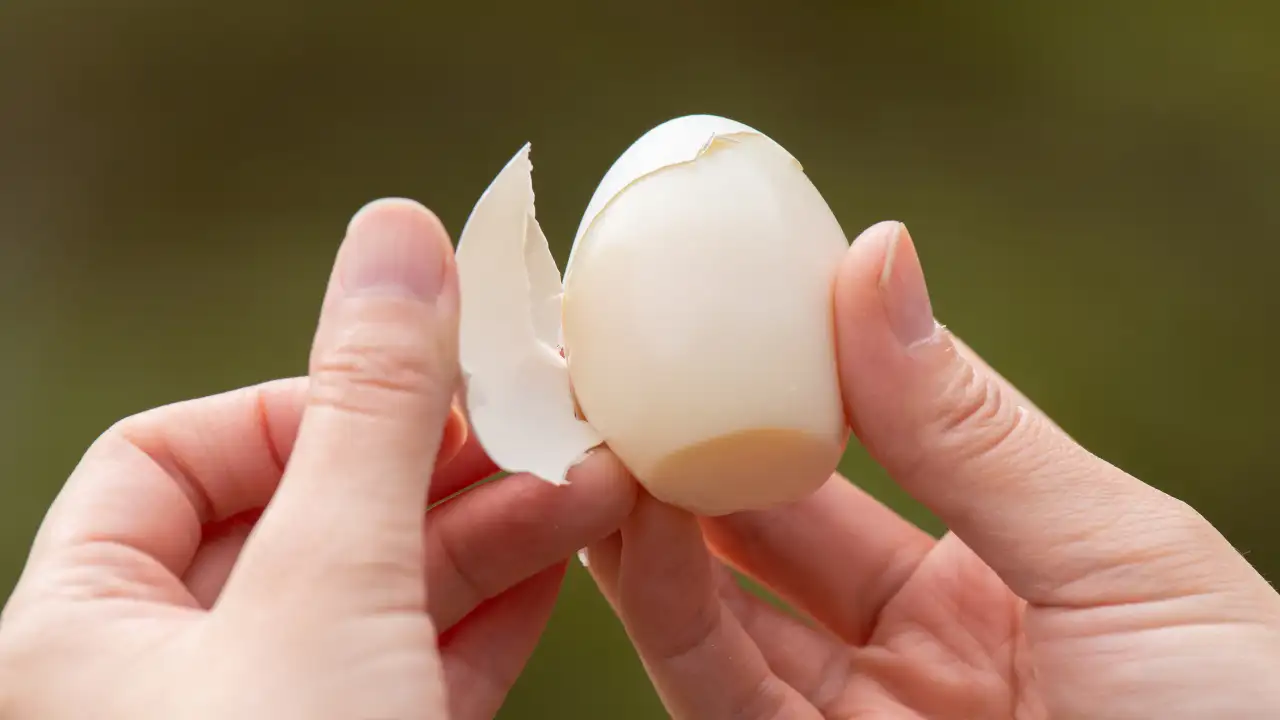
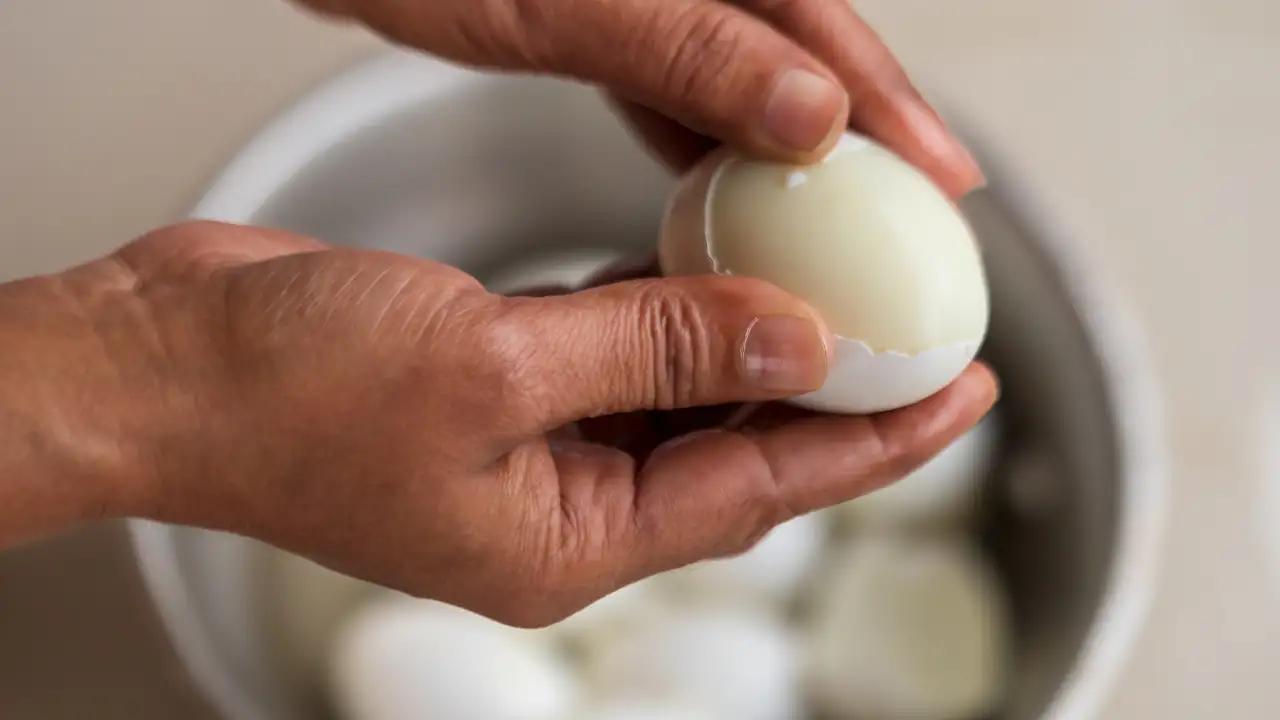
If you crack an egg in the water, vinegar can help egg whites coagulate quickly, reducing the amount of white that escapes into the water . Baking soda may change the pH of the cooking water, but it’s no guarantee the shell will peel off easily. Salt is also commonly used, although its effect on peeling is limited. If you want a simple method that does not require experimenting with kitchen ingredients, start with slightly older eggs, cook them carefully and cool them rapidly. Peeling boiled eggs may never become the most exciting part of your morning routine, but it does not have to be a daily battle either. A few small changes to how you cook and cool your eggs can save you time, prevent unnecessary food waste and leave you with a breakfast that looks as good as it tastes. You use AI every day. Now get your AI Quotient. Take the AIQ test Get the latest Lifestyle News and more. Download the TOI app.