
From Kashmir’s tandoor-baked breakfast bread to Andhra Pradesh’s thick rice-and-lentil rotti, these are 10 regional varieties that deserve more attention.
Some are crisp and layered, others are soft and fermented, while a few barely resemble what most people imagine when they hear the word “bread”. India’s bread culture cannot be reduced to naan, roti and paratha. Across the country, different communities have developed breads around the grains, cooking techniques and ingredients available to them.
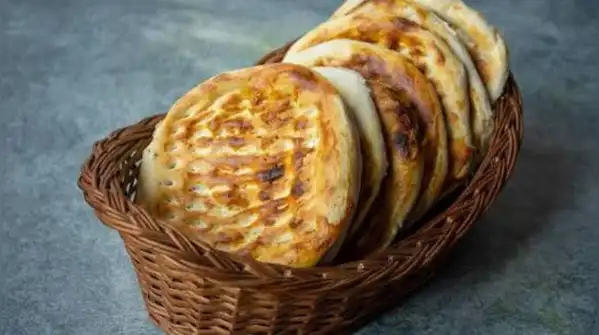
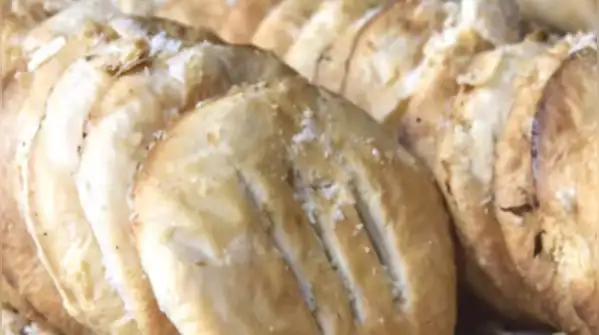
Because the bread travelled across the subcontinent and developed regional variations, its history is particularly interesting. Bakarkhani is a rich, layered bread with Mughal and Persianate culinary influences. It is thicker and more biscuit-like than many Indian flatbreads, with versions made using ghee, milk, sugar, spices and seeds. In Bengal, it became part of the food traditions of Muslim communities, while other versions are associated with places including Kashmir, Lucknow and Hyderabad. Koki may look like a paratha at first glance, but this Sindhi breakfast bread has its own distinctive texture and preparation. Made from whole-wheat flour mixed with onion, coriander and spices, it is deliberately cooked to develop a crisp, crumbly exterior. It is commonly eaten for breakfast with curd, papad, pickle or chai, and can also be served alongside dal or vegetables. The bread has remained an important part of Sindhi food traditions carried by communities across India after Partition. Dhuska breaks almost every expectation of what a bread should look like. Made from rice and lentils, the batter is shaped into thick discs and deep-fried, giving it a crisp exterior and soft centre. In Jharkhand, it is particularly associated with breakfast and street food. The classic accompaniment is ghugni, a spiced chickpea or pea preparation, although potato curry and chutneys are also commonly served with it. Goa has one of India’s most distinctive traditional baking cultures, and Poee is one of its signature breads. A round, leavened bread traditionally produced by Goan paders, Poee has a soft interior and a slightly crisp exterior. It is an everyday bread rather than an elaborate festive speciality and is particularly useful for soaking up Goan curries and gravies. It is also used in preparations such as ross poee, where the bread is combined with curry and other fillings. Dibba rotti, also called Minapa rotti, is a thick Andhra preparation made from urad dal and rice rava. Instead of being thin like a dosa, it is cooked as a substantial, crisp-edged bread with a soft interior. It is traditionally eaten as breakfast or an evening snack, usually with chutney or pickle. In Telugu homes, avakaya is a particularly popular accompaniment, although coconut, tomato and ginger chutneys are also served.