
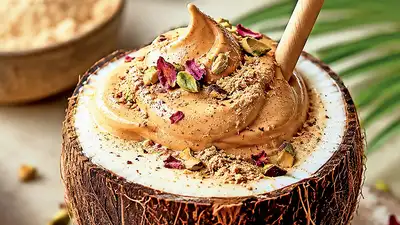
Chef Nishant Choubey gave sattu a glow-up by creating a Dalgona-style lassi – served up fresh with a coconut
The transition of sattu from a common household staple and the “poor man’s protein” to a wellness ingredient is noteworthy. From Jharkhand and the tribal belts to the Northeast, the Himalayas, the South and our coastal communities, there are incredible food traditions waiting to be discovered,” says chef Nishant Choubey. Chef Ajay Chopra, EU Brand Ambassador, India, and former MasterChef India judge, says, “Sattu has a very strong connection with everyday Indian food, and at the same time it works very well with modern cooking. ” Chef Suresh Kudiyal from Aloha on The Ganges, Rishikesh, shares, “When an ingredient like sattu enters a premium culinary environment, it changes the conversation around it.
At the recently concluded BRICS Summit, where food formed an essential part of cultural diplomacy, one of the ingredients came from humble Indian households. At the Summit, where world leaders and dignitaries were in attendance, utmost attention was paid to ensuring that every detail and element represented Indian heritage and culture. Sattu, mostly associated with everyday meals in Bihar and eastern India, made it to the giveaway kits. This shift is also visible on restaurant menus, where sattu is increasingly being incorporated not only as part of regional cuisine but, in some cases, also being rediscovered for contemporary diners. The ingredient, commonly known for its health benefits, is now leading conversations around heritage and wellness menus. In an era where origin, culture and heritage are of as much interest to diners as the food itself, it also makes business sense for restaurants to include such indigenous ingredients in their menus. I think guests are finally realising that humble does not mean inferior. For many years, premium Indian dining was dominated by familiar narratives – North Indian cuisine, Mughlai, Punjabi and especially North-West Frontier cuisine. But India is not just the North. They want to know where an ingredient comes from, who grows it, how a community traditionally eats it, and what story sits behind the dish. That curiosity is creating a wonderful opportunity for regional Indian cuisines. We are finally beginning to understand that one cuisine cannot define a country as diverse as India. Chef Anil Khurana adds, “We can use our menus not only to serve food but also to tell meaningful stories about India’s culinary heritage. Ingredients like sattu are powerful examples of how regional traditions can be celebrated in contemporary settings, creating experiences that are both memorable and culturally enriching. As an ingredient, sattu needs little introduction in Indian households. What has changed over the years are the spaces where it is now being seen. Chefs say the versatility of the ingredient is its biggest strength, allowing them to experiment with it. The ingredient itself may be humble, but the technique, presentation, and storytelling can reveal its sophistication. As chefs, we have an opportunity to demonstrate that Indian culinary heritage is not just about recipes but also about exceptional ingredients and generations of food wisdom. It can be presented simply or elevated through modern techniques without losing its identity. We have dishes like sattu stuffed paratha, sattu-based pasta, & jaggery energy bites, among others.”
“Sattu fits perfectly in the way millennials and Gen Z are looking at food today; they want something healthy, but they also want a story, something rooted in our culture. Today’s diners want more.
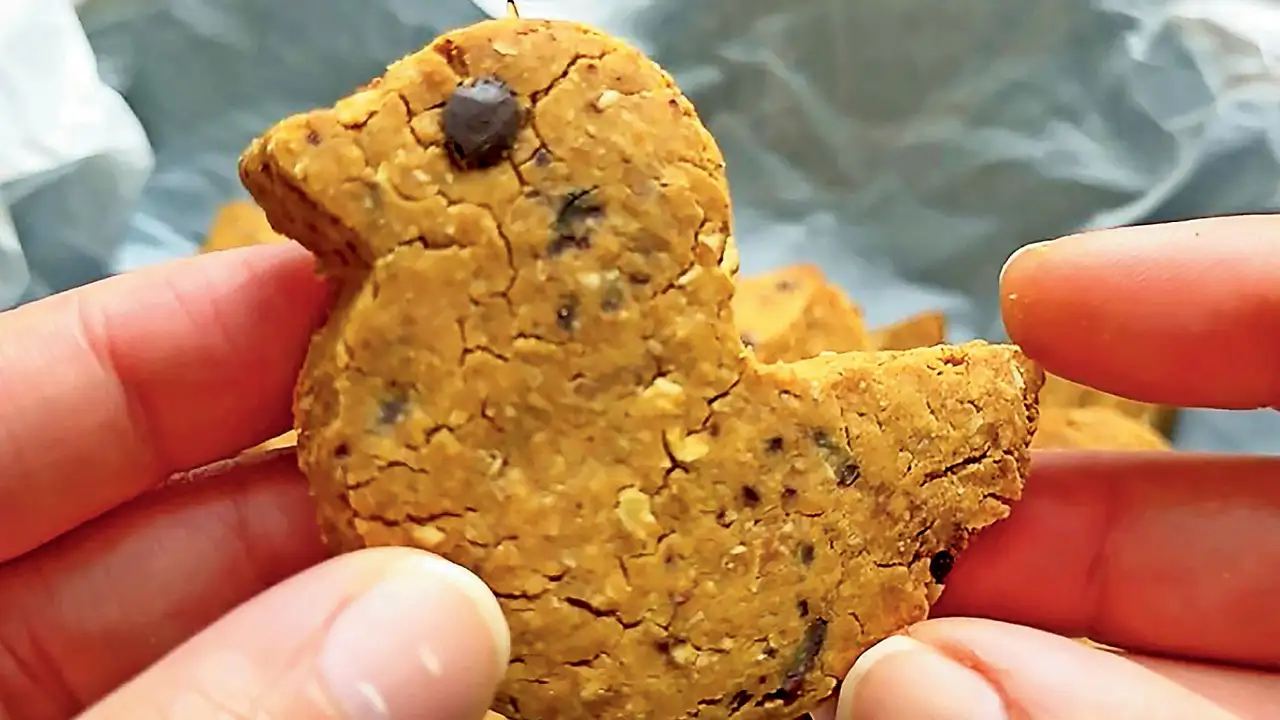
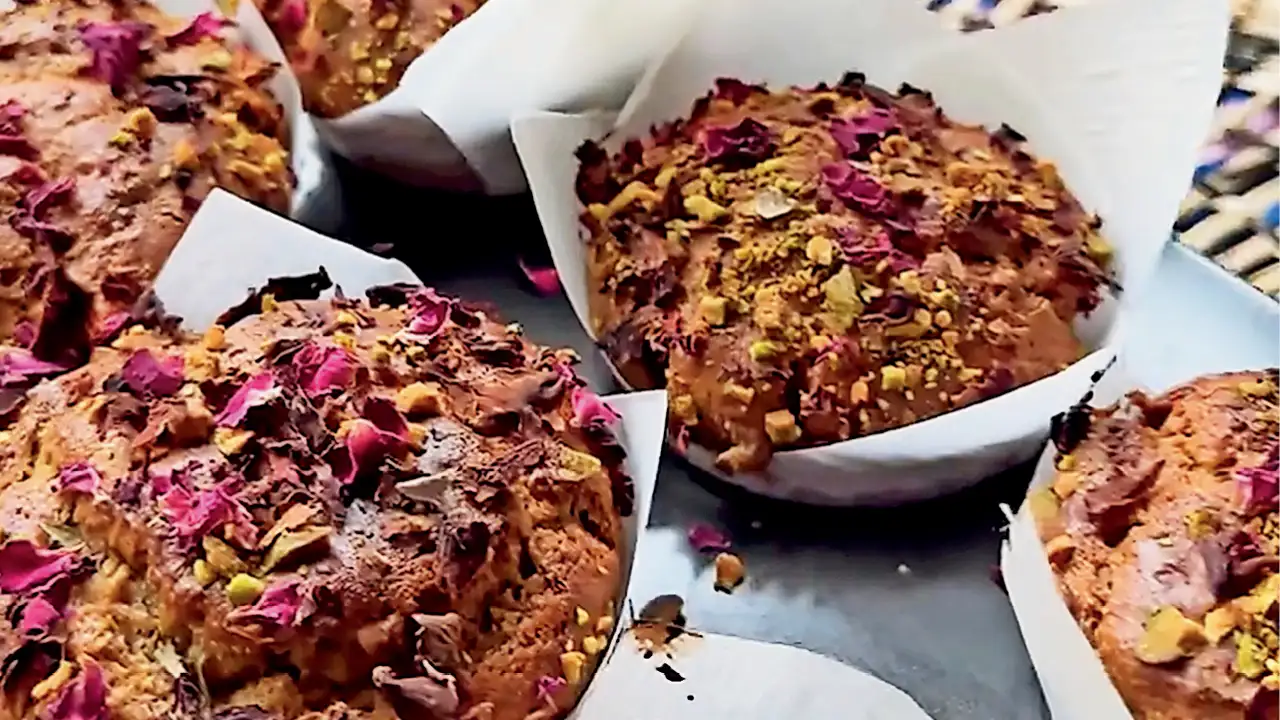
Chef Nishant Choubey Advocates for Sattu in Fine Dining
Chef Nishant Choubey, a consultant at Organic Bistro Kitchen & Cafe, emphasizes the versatility of sattu, a flour made from roasted chickpeas, in modern desserts. He has successfully created sattu-infused treats including cookies, tarts, brownies, and a cake paired with apricot. Choubey notes that the nutty flavor of sattu complements fruits and contemporary dessert techniques. He believes that featuring sattu on upscale menus is not about concealing its humble origins but rather showcasing its nutritional value. Choubey asserts that sattu is a ‘smart food,’ appreciated by our ancestors long before the concepts of wellness and functional foods became mainstream.