
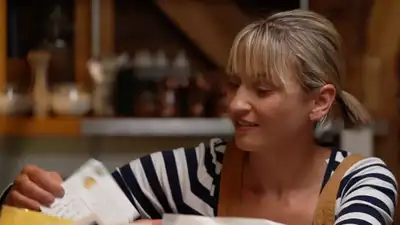
Her restaurant, The Lost Kitchen, now receives around 60,000 reservation postcards annually, according to a report by Condé Nast Traveller. After battling addiction, depression and a difficult divorce that led to her losing her first restaurant, American chef Erin French rebuilt her career in her hometown of Freedom, Maine, turning a restored historic mill into one of the country’s most sought-after dining destinations.
In the same interview, French said she was proud of keeping the restaurant small and remaining faithful to the space she had created. She also spoke about the demands of running a seasonal restaurant, describing the long summer working days and the importance of taking time off during winter to recover and decide whether to continue.
She started working there at the age of 12, learning the practical demands of a commercial kitchen and gradually taking on more responsibilities. At around 30, she opened her first version of The Lost Kitchen in Belfast, Maine, with her then-husband. In a 2021 interview with CBS News, French described the anxiety, addiction and marital difficulties that accompanied that period. French decided to take a chance on the building, despite concerns that a restaurant in a town with a population of around 700 would struggle to attract enough customers. The new Lost Kitchen opened in 2014 inside the restored 19th-century grist mill, giving her a permanent place to develop the style of cooking she had envisioned. In a 2021 report, PBS NewsHour described how French worked with nearby farms and sourced fresh fish from the Maine coast. There are around 500 tables available across the season, she told Condé Nast Traveler, meaning that sending a postcard does not guarantee a reservation.
French’s relationship with food began in her hometown of Freedom, where her father ran a diner. Her early experience included working at the grill and preparing familiar diner food, long before she became known for seasonal menus and carefully presented dishes. Cooking became a way for French to connect with people, but turning that interest into a successful restaurant came with personal costs. The restaurant attracted customers, but her personal life was deteriorating. The opportunity came when she learnt that an old mill in Freedom was being renovated. Her approach was rooted in Maine’s seasonal produce and relationships with local growers. Rather than forcing a fixed menu, she allowed available ingredients to guide what she cooked. The restaurant’s appeal extended beyond the food, with its rustic setting, open kitchen and emphasis on making diners feel at home. The process is essentially a lottery. French and her team place the postcards in bins and randomly select them, then contact the people whose cards are drawn. The handwritten requests also carry personal stories from people hoping to experience the restaurant.