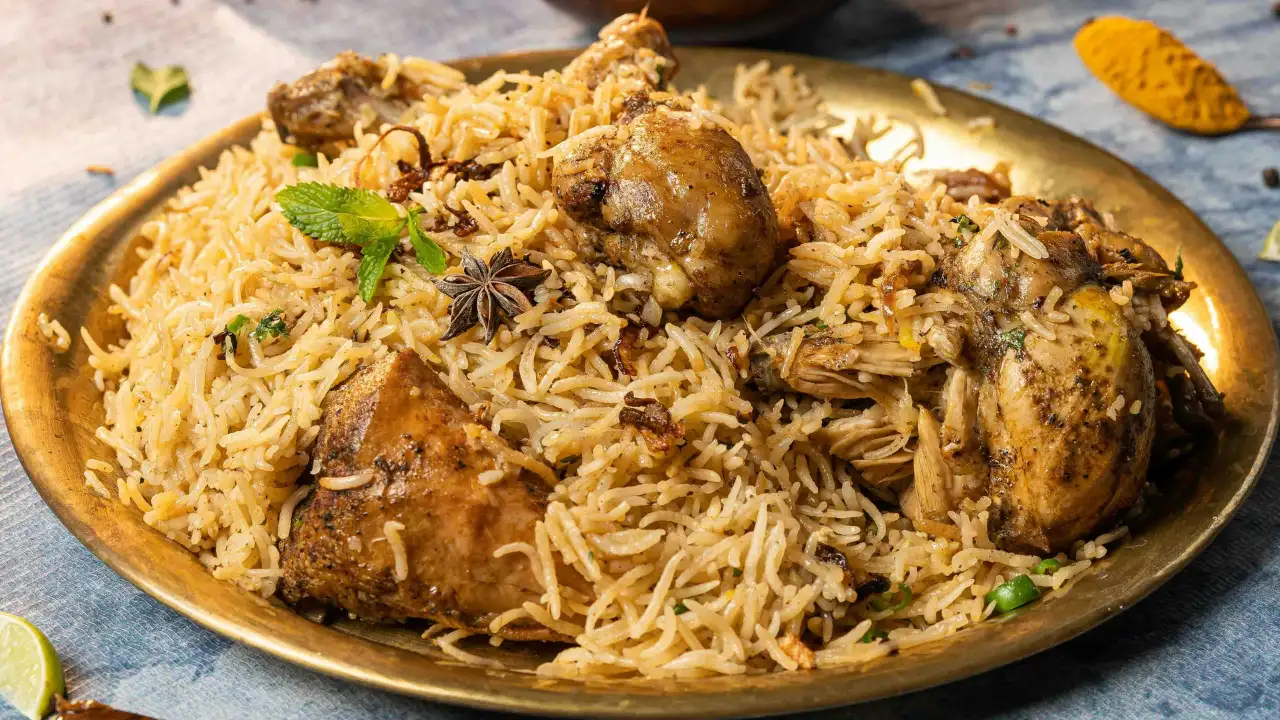
India’s cultural landscape is as vast as its biryani varieties.
Biryani, for the unfamiliar, is a rice dish traditionally prepared with meat, seafood or vegetables, spices and aromatics. The ingredients are layered or cooked together, depending on the regional style, allowing the rice to absorb the flavours of the accompanying ingredients. Some versions are sealed and slow-cooked, while others rely on a more direct cooking method. Across India’s map, this favourite takes on different personalities. The rice changes, the spices vary, and even the way the meat is cooked can distinguish one version from another. Here are five regional biryanis that show just how much variety can fit into one dish. If you like your biryani bold, spicy and generously flavoured, Hyderabadi biryani is probably right up your alley. Closely associated with the kitchens of Hyderabad’s Nizams, it brings together the city’s culinary traditions with influences from Mughlai cooking.
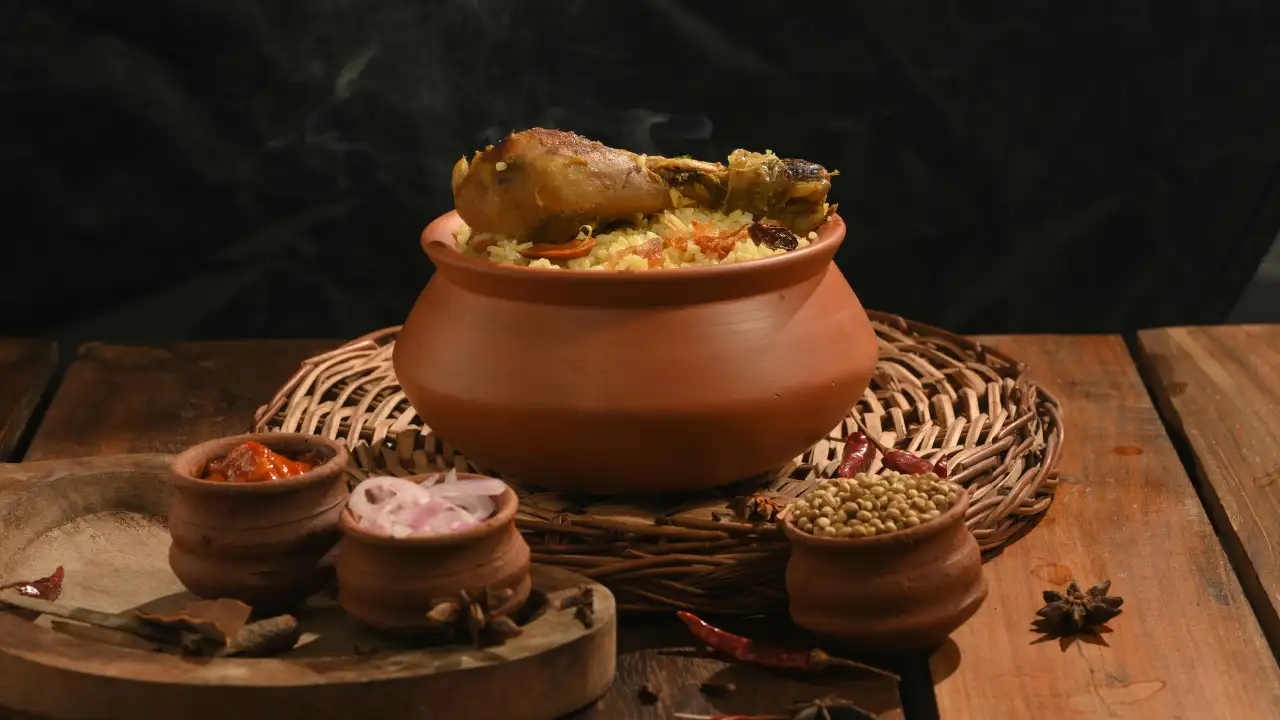
The dish is believed to have developed after Nawab Wajid Ali Shah, the last Nawab of Awadh, was exiled to Calcutta by the British in 1856.
Some preparations vary according to the community, household and ingredients available, but the use of local rice is what makes this biryani particularly distinctive. One of its defining features is dum cooking, in which the ingredients are sealed in a pot and allowed to cook slowly in the trapped steam. Hyderabadi biryani comes in two main styles. In kacchi biryani, raw marinated meat is layered with partially cooked rice, and both finish cooking together. In pakki biryani, the meat is cooked first before being layered with the rice. Long-grain basmati rice, fried onions, saffron and spices such as cardamom, cloves and cinnamon come together to give the dish its characteristic aroma. The kacchi version is particularly prized for the way the rice absorbs the juices and spices from the meat as they cook together. If Hyderabadi biryani is known for its bold flavours, Lucknowi biryani takes a gentler approach. Also known as Awadhi biryani, it developed in the culinary traditions of the Nawabs of Awadh, where fragrant ingredients and careful cooking were as important as the final taste. His cooks travelled with him, bringing Awadhi culinary traditions to Bengal. Over time, the preparation evolved to suit its new home, with the potato becoming one of its defining features. The precise circumstances behind its addition remain debated, but its place in Kolkata biryani is no longer up for discussion. It is a reminder that the choice of rice can change a dish just as much as the spices used to flavour it.