
Indian cuisine has never been a closed kitchen. Over centuries, traders, travellers, migrants and colonisers brought ingredients, breads, cooking techniques and recipes to the subcontinent. What happened next was very Indian: the newcomers were absorbed, altered and loaded with local flavours until they became almost unrecognisable from their original forms.
Some of today’s most beloved Indian foods are, in fact, stories of culinary reinvention.
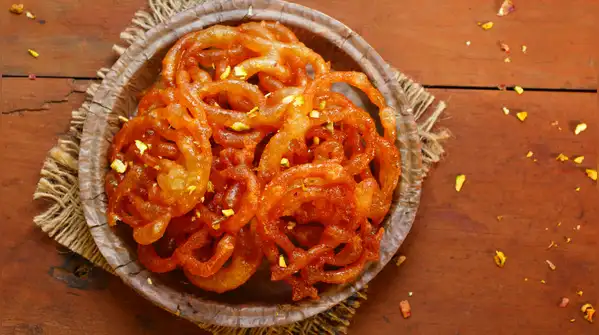
That bright orange spiral at Indian weddings has a surprisingly international past. Food historians trace jalebi to the West Asian zalabiya or zolabiya, a sweet that was known in parts of the Middle East. India did not simply preserve it. The recipe evolved locally, with fermented batter fried into intricate coils and soaked in sugar syrup. By the 15th and 16th centuries, jalebi was already being eaten in India, where it eventually became a street-food staple, festive sweet and even a breakfast companion to creamy rabri or curd.
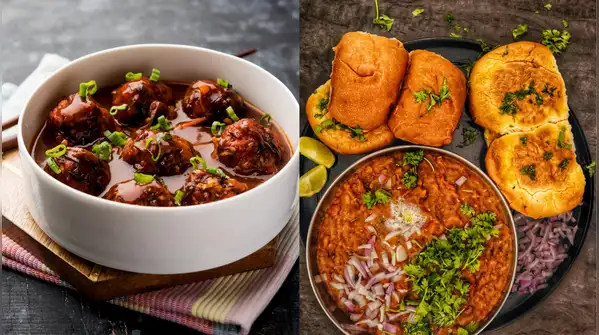
The Indian gulab jamun is therefore less a preserved foreign recipe than a dessert that evolved substantially after entering the subcontinent. Few dishes have been Indianised quite as dramatically as biryani. Its deeper history is linked to Persianate cooking traditions, but once the dish arrived in the subcontinent, different regions made it their own. Hyderabadi biryani, Lucknowi biryani and Kolkata biryani can look and taste remarkably different, with variations in rice, meat, spices, cooking methods and even accompaniments. The addition of potato in Kolkata biryani is particularly distinctive. Vindaloo is one of India’s clearest examples of a foreign recipe being dramatically transformed by local cooking. Its name and ancestry are connected to the Portuguese dish carne de vinha d’alhos, in which meat was marinated with wine vinegar and garlic. In Goa, the recipe encountered Indian spices, chillies and local vinegar. The result became the intensely tangy, spicy pork vindaloo that is now synonymous with Goan cuisine. The Portuguese influence remains in the vinegar, but the dish that emerged is distinctly Goan. Despite its Chinese-sounding name, chicken Manchurian is not a traditional Chinese dish, nor does it originate in Manchuria. It is widely credited to chef Nelson Wang, who created the dish in Mumbai in the 1970s. He reportedly began with Indian staples such as ginger, garlic and green chilli, then added soy sauce and cornstarch. The result was a new category of food: Indo-Chinese cuisine, where Chinese techniques meet India’s appetite for heat, sauces and bold seasoning. Gulab jamun feels quintessentially Indian, especially during Diwali and weddings, but its culinary ancestry reaches into Persian and Central Asian traditions. India developed its own beloved version using milk solids, traditionally khoya, shaped into small balls, fried and soaked in fragrant sugar syrup. Naan’s story is another reminder that Indian food has always been shaped by cultural exchange. The word and bread tradition have Persian roots and became particularly associated with the kitchens of the Mughal era. Indian cooks adapted the bread to local ingredients, techniques and eating habits. Over time, naan became a restaurant staple, served with everything from rich Punjabi gravies to kebabs. Garlic naan, butter naan and cheese naan are further examples of how far the bread has travelled from its older forms.
Today, calling biryani simply a Persian dish would miss centuries of Indian culinary evolution.