Oatmeal probably isn’t the first thing that pops into your head when you think of an exciting breakfast, right? Still, this everyday grain is enjoying new attention lately, especially for people watching their cholesterol. Here’s the draw: it’s cheap, easy to transform into sweet or savory dishes, and you don’t need special skills or fancy ingredients to cook it. Turns out, that boring old porridge might pack some serious benefits for your heart.
Participants ate 300 grams of oatmeal every day, split across three meals, with limited fruit or veggies, and their calories were cut sharply, down to about half their normal intake. How to make it: Mix everything together, put it in a greased dish, and bake at 180°C (or 350°F) for 25–30 minutes, until set and golden. They also ran a separate six-week test, where participants ate 80 grams of oats a day (without cutting calories so dramatically), and the cholesterol changes were smaller.
So just tossing a few oats on your breakfast won’t fix cholesterol overnight, but keeping them as a regular part of your diet definitely helps.
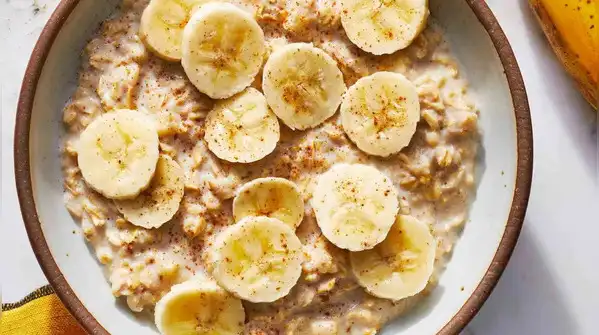
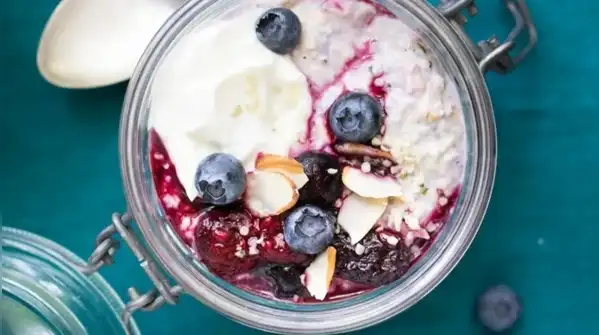
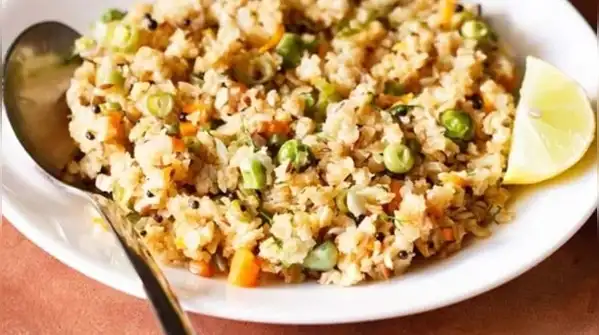
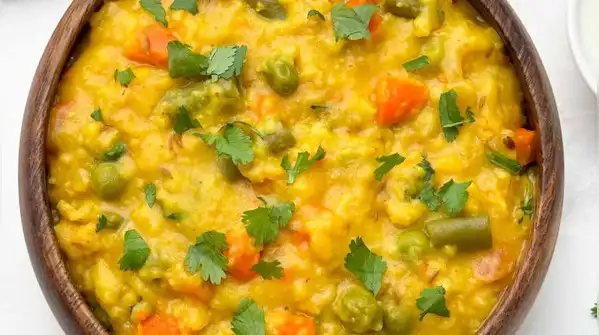
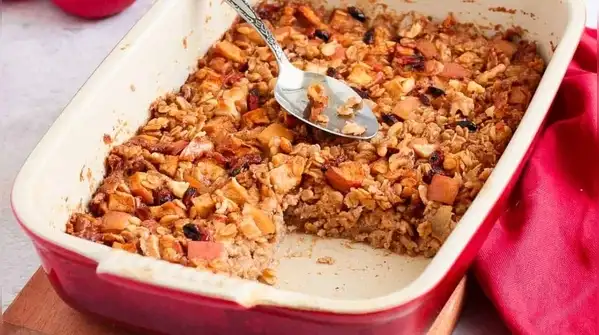
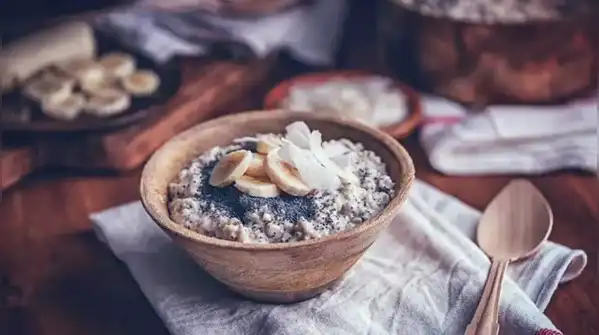
They found that when people with metabolic syndrome followed a strict, low-calorie oatmeal diet for just two days, their LDL (“bad”) cholesterol dropped by about 10%. Even more interesting, that benefit was still measurable six weeks later. Researchers also noticed changes in gut bacteria, as the oats boosted substances linked to improved cholesterol metabolism. Now, let’s be clear: the study wasn’t just about eating a bowl of oatmeal on the side. Plus, it involved a small, specific group. So, it’s not like dumping oats onto your usual breakfast guarantees the same results. But the evidence is still encouraging. For most of us, oats offer an easy way to support heart health. They’re loaded with fibre, especially beta-glucan, and can be used for quick meals that actually taste good. Whether you’re team sweet, team savory, or just bored of the usual options, you can find a way to make oatmeal work for you. Here are five oatmeal recipes that tick all the boxes: quick, tasty, filling, and most importantly, heart-friendly. Sometimes you just want breakfast to feel like a warm hug. This one delivers, using easy ingredients and no need for extra sugar. What you need: Half a cup of rolled oats, one cup of water (or unsweetened milk), half a banana, a pinch of cinnamon, and a teaspoon of chopped walnuts. How to make it: Simmer the oats in your milk or water till they’re soft and creamy. Mash in the banana for sweetness, sprinkle some cinnamon, and finish with walnuts. Why it helps: Oats add soluble fibre; bananas sweeten things naturally, and walnuts top it off with healthy fats. No time in the morning? Overnight oats save the day. This combo gives you creamy texture, bright berries, and a little crunch. What you need: Half a cup of rolled oats, half a cup of plain yogurt (or unsweetened soy yogurt), a quarter cup of milk, one teaspoon of chia seeds, and a handful of berries. How to make it: Mix everything except the berries in a jar, let it chill overnight, and toss in the berries before eating. Why it helps: The mix of oats and chia loads you up on fibre; the berries give a tang plus antioxidants. Maybe you’re just not into sweet breakfasts, fair enough. Oats upma brings big flavor and extra nutrition. What you need: Half a cup of rolled oats, half a cup of chopped vegetables, half a teaspoon mustard seeds, curry leaves, grated ginger, a dash of oil, and water. How to make it: Lightly toast the oats. In another pan, heat oil and fry the spices and ginger, cook the veggies, add water and oats, and simmer till it’s soft. Why it helps: The vegetables add more fibre and vitamins, making this a real upgrade from plain white-bread breakfasts. If you like hearty meals that warm you up, this one-pot combo is for you. Works as lunch or a lighter dinner. What you need: Half a cup rolled oats, a quarter cup yellow moong dal, half a cup of chopped vegetables, turmeric, cumin, ginger, water. How to make it: Cook the dal with veggies and spices till soft, then stir in oats and cook until creamy. Why it helps: Oats offer their trademark fibre; moong dal brings protein, and the spices keep it interesting. Want something that feels like a treat? This is a breakfast twist on apple crumble, but with way less sugar. What you need: One cup rolled oats, one small chopped apple, one egg or flaxseed substitute, three-quarters cup milk, cinnamon, one tablespoon chopped walnuts. Why it helps: It’s real food with oats, fruit, and nuts. It’s filling, fibrous, and better than sugary cereals. There’s science behind this oat advocacy. Oats contain beta-glucan, a special kind of soluble fibre that forms a gel in your gut. This keeps your body from reabsorbing bile acids, so your liver pulls cholesterol from your blood to make more. That helps lower LDL cholesterol. The University of Bonn study offered another wrinkle: when participants ate a lot of oats, their gut bacteria produced compounds like ferulic and dihydroferulic acid, which might also help the body process fats in a healthier way. That tells us the amount you eat, and what else you’re eating, really matters.
A study published in Nature Communications earlier this year, led by scientists at the University of Bonn , sheds light on why.