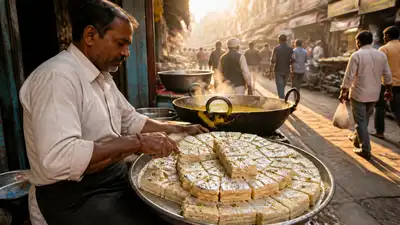
Image generated using Canva AI
Its reputation rests on rich malai , fragrant spices and stories told with varying degrees of mischief. Some sweets promise happiness. This one appears to threaten the furniture. Behind the wink, however, is a layered milk confection that demands considerable patience. The ingredients are easier to establish than the nickname’s origins, which remain somewhere between local explanation and folklore. Unlike the familiar barfi or peda , which are shaped into neat pieces, Palang Tod is all about the painstaking arrangement of cream. Different layers provide the creamy texture, while saffron and crushed nuts add fragrance and crunch. It is an indulgent dish without a long list of ingredients. The real luxury lies in the staple milk, the time spent preparing it and the skill required to handle the cream. Malai paag sounds like something you might find on a traditional sweet shop’s menu. Palang Tod, on the other hand, sounds like a dare. In Banaras, where food often comes with a generous helping of character, the more memorable name has stuck.
Varanasi’s Palang Tod mithai , literally meaning bed-breaking sweet, comes with a name that invites raised eyebrows before the first bite.
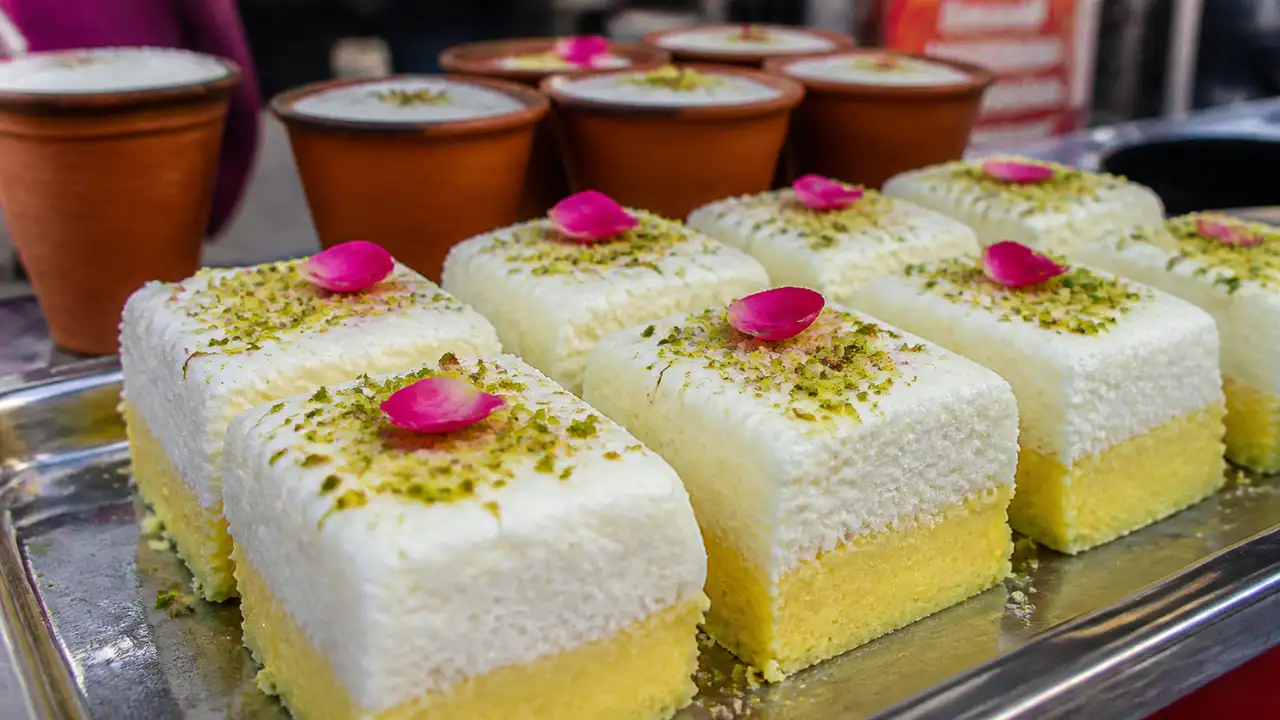
The process starts with milk being heated slowly, traditionally over a wood or cow-dung-cake fire. When the milk is warmed, a thin layer of cream will appear on the surface. The mithaiwala lightly pushes it aside and lets another layer form, and repeats the process until there’s enough cream. The delicate layers are then arranged one over another, with saffron and other ingredients added between them. This long preparation is also one reason Palang Tod is associated with winter. It is a seasonal speciality, generally sold during the colder months, with some traditional shops preparing it from around November until the approach of spring. In Varanasi, it is often available in the evening, after a full day’s work in the kitchen. Another explanation takes the joke in a more suggestive direction. Palang Tod is sometimes associated with newly married couples and winter nights. Its rich ingredients, including milk, nuts and saffron, have helped build a reputation for strength and vitality, allowing the name to do the rest of the talking. The precise origin of the nickname remains unclear, and the explanations need not be mutually exclusive. Perhaps the joke began with the sweet’s sheer richness; perhaps its ingredients and reputation encouraged a more playful interpretation. As the years passed, the name became as intrinsic to the mithai’s identity as its creamy layers. Palang Tod is available in traditional sweet shops in Varanasi, especially in the old city where recipes and methods are passed on from generation to generation. The sweet is not always available throughout the year, so winter is the safest time to look for it. Some shops sell out quickly, making an early enquiry worthwhile.