Walk into an Indian kitchen and you are likely to find more than one kind of cooking fat. Mustard oil may flavour a traditional sabzi, coconut oil may be a staple in some regions, while ghee adds richness to dal, rotis and festive meals. With so many choices available, deciding which one is healthiest can be confusing.
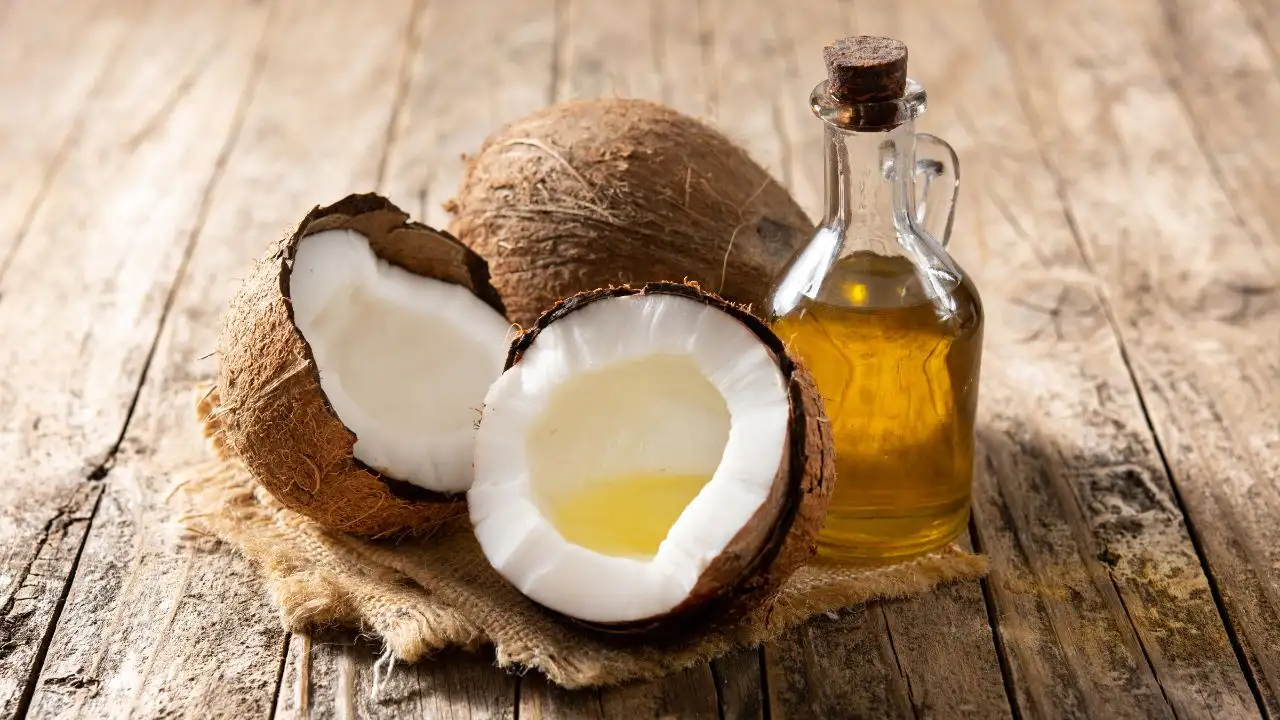
Sunflower and soybean oils, for example, provide unsaturated fats, and soybean oil also supplies some omega-3 alpha-linolenic acid. The WHO recommends keeping trans fat intake below 1% of total daily energy, with industrially produced trans fats avoided as far as possible. Because coconut oil is high in saturated fat, consuming it frequently or in large amounts can raise LDL, commonly called bad cholesterol. Because of their omega-6 content, omega-6 fats are essential nutrients, and ordinary consumption of omega-6-rich oils has not been shown to cause inflammation simply.
The World Health Organization (WHO), the American Heart Association and research published in peer-reviewed journals emphasise the importance of choosing fats carefully and limiting saturated and trans fat intake. Evidence suggests that the type of fat, the quantity consumed and the overall dietary pattern all influence health. These guidelines provide a useful framework for understanding the benefits and limitations of different cooking oils commonly used in Indian households. Eight cooking oils and fats, and what to know about them. The doctor recommends limiting saturated fat and replacing it with unsaturated fats where possible. Coconut oil can be used for its flavour, but it should not be treated as a health supplement or a reason to eat more deep-fried food. Sunflower, soybean, cottonseed, groundnut and palm oils are often grouped together in discussions about refined oils. Refining can reduce some naturally occurring compounds, such as certain antioxidants, but it does not mean that all refined oils lose their fats and vitamins or become inherently harmful. Their fatty acid profiles differ considerably. The more useful considerations are portion size, the oil’s suitability for the cooking temperature, and avoiding repeated reuse of oil for frying. Groundnut, or peanut, oil contains substantial amounts of monounsaturated fat and vitamin E. Its relatively mild flavour makes it suitable for a variety of dishes, depending on the type of oil and its smoke point. Some groundnut oils retain more naturally occurring compounds than others, depending on processing. Still, claims that groundnut oil directly prevents heart disease or that kachchi ghani oil is always superior need to be treated cautiously. It can be one option in a varied cooking routine, provided it is used in reasonable quantities. Vanaspati, often associated with products such as Dalda, is a vegetable-fat product used in some commercial and household cooking. Industrial trans fats increase cardiovascular risk and should be avoided. Not every product’s formulation is identical, so consumers should check labels and applicable food standards rather than assume all products contain the same amount. Olive oil, particularly extra-virgin olive oil, is rich in monounsaturated fat and contains other naturally occurring compounds. It can be included in Indian cooking if its taste suits the dish and the household budget. Different varieties are suitable for different uses. Extra-virgin olive oil works well in dressings and many everyday cooking applications, while the choice for high-heat cooking should take the oil’s properties into account. A balanced Indian diet should also include vegetables, fruits, pulses, whole grains and adequate protein. Cooking at home more often can help people manage the amount of oil, salt and sugar they consume, while frequent deep-fried and highly processed foods are best limited. Ultimately, healthier eating is not about finding one perfect bottle of oil. It is about using fats in sensible quantities, choosing appropriate products and building meals around a varied, balanced diet.
Historically, partially hydrogenated oils used in vanaspati have been an important source of industrial trans fats.