
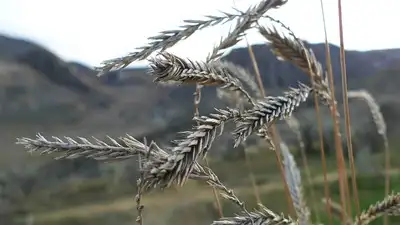
A representative image of crested wheatgrass. Image credit: Wikimedia Commons
This plant species established relatively easily and tolerated aggressive grazing.According to the US Forest Service , seeding with non-native grasses, primarily crested wheatgrass, had affected around 6.4 million acres of sagebrush land by the 1970s. Though it is important to note that the figure does not mean that all 6.4 million acres were converted in the same way or have remained unrecovered. The US Forest Service claims that grass seeding, mainly non-native species, especially crested wheatgrass, affected about 6.4 million acres of sagebrush land by the 1970s.
Crested wheatgrass, a perennial grass introduced from Eurasia, was one of the principal plants used for this programme. During the 1950s and 1960s, land management agencies across the western United States carried out extensive programmes with the aim of reducing sagebrush cover and establishing grasslands that could provide forage for livestock. This programme’s legacy continues to impact vegetation across the American West, with the agency reporting that many affected sites have not yet recovered their past ecological characteristics. Since the 1930s, methods such as prescribed burns, herbicides, mechanical treatment, and grass seeding have been used in order to reduce the area covered by sagebrush. Such actions were most intensive in the 1950s and 1960s, and the goal was usually to convert brush land into grassland that would be appropriate for livestock grazing. Such statistics relate to the land affected by grass seeding but not converted into one kind of grass.
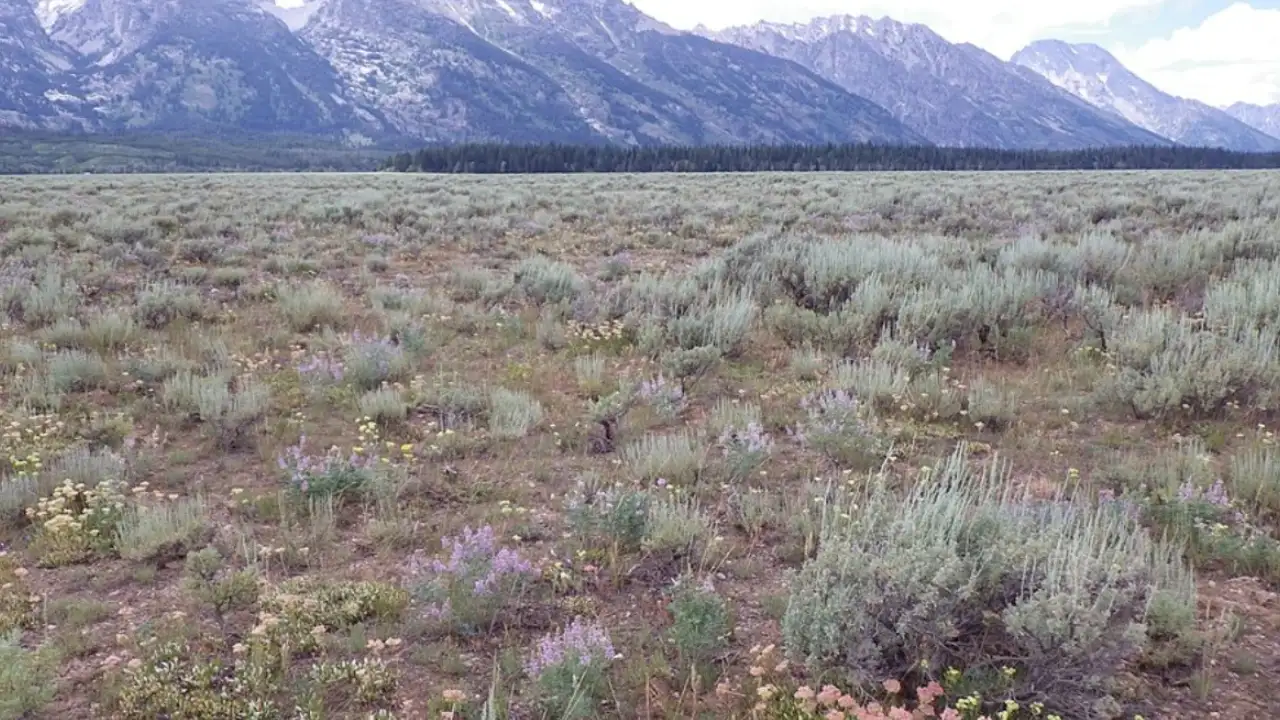
A 2021 study published in Restoration Ecology tested chemical and mechanical treatments intended to suppress crested wheatgrass before native species were seeded. Because the grass competes with newly introduced plants, restoring native vegetation in established crested wheatgrass stands can be challenging. The authors of the paper state that these approaches failed to provide better establishment of the natives. At the end of the experiment, the density of seedlings was almost the same for all the treatments, suggesting that suppression of the grass was not enough to ensure successful restoration.
According to the U.S. The consequences extend beyond changes in plant composition. Sagebrush provides food and shelter for wildlife adapted to shrubland habitats, while a grass-dominated site can offer a different structure and range of resources. For example, greater sage-grouse depend on shrublands for parts of their lifecycle. Thus, when shrublands are replaced by extensive grasses, this can lead to a loss of suitable habitat in some areas. The extent of the effect will vary depending on the area affected and the habitat needs of the species involved. However, minimal recovery occurs only under highly specific environmental constraints. Forest Service, sagebrush occasionally establishes sparse footholds within ageing stands of crested wheatgrass, though these isolated instances do not equate to a systemic return of the native steppe . Results of restoration efforts will depend on things like seed availability, climate, grazing, and the techniques used to prepare the site. The application of crested wheatgrass has become one of the last resorts in the contemporary approach to erosion control, where soil stabilisation is given priority or where invasion by non-native grasses is being prevented.