When Indian breads come to mind, naan, roti, paratha and kulcha often take centre stage. They are familiar, widely available and deeply woven into the country’s food culture. But travel further south and the idea of what counts as a bread becomes far more varied. Across Kerala, Karnataka, Goa, Tamil Nadu, Andhra Pradesh and Telangana, cooks have long transformed rice, millets, lentils and wheat into breads with completely different textures and cooking techniques. Some are crisp and lacy, others soft and layered, while a few are cooked directly over a flame until they develop a smoky, charred edge. Here are some regional breads worth knowing, especially if you think naan has covered the subject.
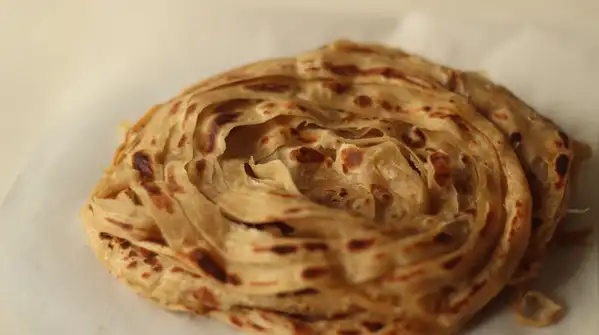
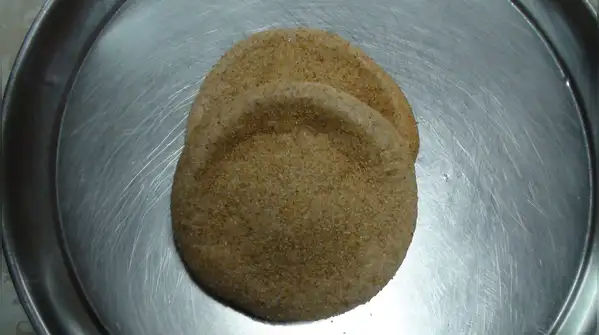
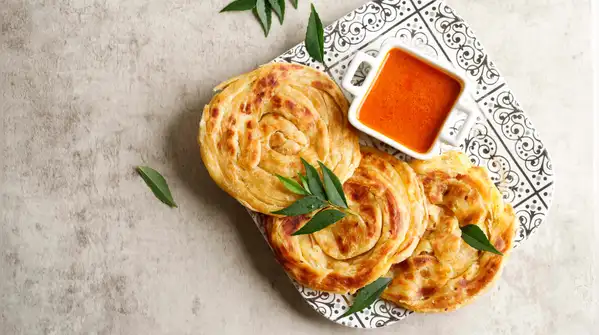
Flaky, layered and wonderfully indulgent, Malabar parotta is one of Kerala’s most recognisable breads. Made with refined flour, the dough is repeatedly stretched, folded and layered before being shaped and cooked on a hot griddle. This technique gives the parotta its characteristic flaky texture, with thin layers that can be pulled apart by hand. It is particularly popular with Kerala-style curries, including vegetable, chicken and beef preparations, where the layers are perfect for soaking up rich gravies. Unlike naan, which is traditionally cooked in a tandoor, Malabar parotta gets its distinctive texture from the preparation of the dough and griddle cooking. Ragi rotti showcases how millets can become the foundation of a hearty South Indian flatbread. Made primarily with ragi, or finger millet flour, the dough is commonly mixed with ingredients such as onion, green chilli, coriander and grated coconut. Rather than being rolled like a conventional wheat roti, the dough is usually patted into a thin layer and cooked on a tawa or pan. It develops a rustic, slightly crisp exterior while retaining a softer centre. Traditionally served with chutney, yoghurt or a vegetable curry, ragi rotti is a filling example of Karnataka’s long-standing millet-based food traditions.