
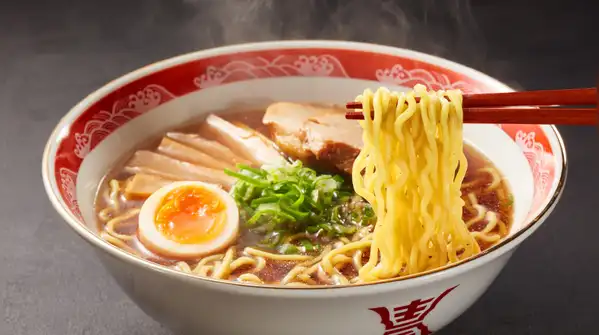
In China, noodles symbolize more than just a meal; they embody wishes for longevity, prosperity, and good fortune. A common belief is that breaking noodles before cooking, particularly long-life noodles known as changshou mian, is an ill omen. These noodles are traditionally served on birthdays and significant occasions, emphasizing their length as a representation of a long, uninterrupted life. Thus, snapping them before they reach the bowl is interpreted as a metaphorical shortening of that life expectancy.
Symbolism in Chinese Cuisine
Chinese food culture is rich in symbolic meanings. For instance, fish, pronounced ‘yú,’ is associated with abundance due to its phonetic similarity to the word for surplus. Dumplings evoke wealth because their shape resembles ancient gold and silver ingots. Glutinous rice cakes symbolize rising fortunes and progress. Noodles, although ordinary, carry significant cultural meaning as well. This layering of symbolism is why festive Chinese meals often resemble a language of their own, where the shape, sound, color, and presentation of food convey deeper messages.
They may simply be trying not to “cut short” a life that everyone at the table is wishing will be long. Not necessarily. If you’re making a regular bowl of noodles at home, breaking them before cooking is not some universally enforced taboo. Many Chinese people eat different kinds of noodles in everyday life, and preparation varies enormously between regions and dishes. The superstition becomes much more relevant when long noodles are being served for their symbolic meaning, particularly during birthday celebrations. So the next time you see someone carefully lowering an impossibly long noodle into a bowl without breaking it, there’s more going on than kitchen technique.