
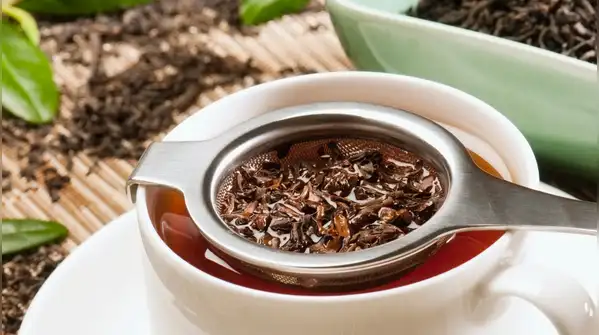
Tea is not just a word for some; it is an emotion.
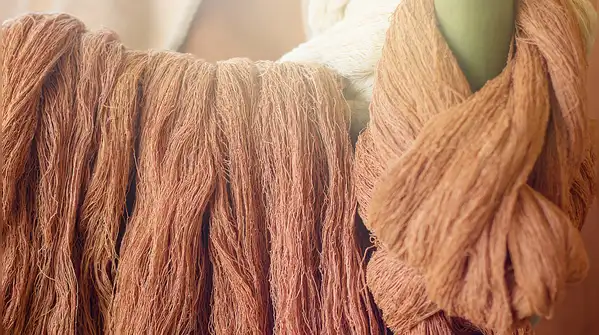
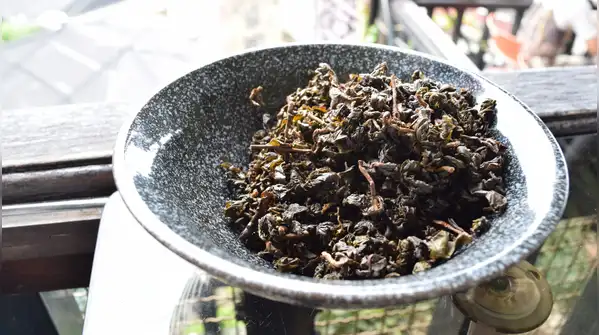
So much so that most of us get out of our beds only after taking the first sip of tea or when the mind clears as the hot drink goes into our gut. We finish the cup in minutes, and whatever is left in the strainer goes straight into the bin. It takes two seconds, and we never think about what happens to those disposed-of tea leaves. But think about how much tea is drunk every day, and how many soggy leaves quietly end up in landfills, and it is not just us who drink tea; there are millions of people around the world. But have you ever thought about what exactly happens when these leaves are thrown away and how they can be used? In many Japanese homes, used leaves have been treated as a multipurpose material that can be put to use rather than just rubbish. Here are five simple ways to give your tea leaves a second life. Photos: Canva Dried tea leaves are naturally absorbent, so they make a handy deodoriser. Like baking soda, they can be kept in a small bowl and absorb odors, or be sprinkled on a rug around spillage and removed later after the odour goes away. For this, place dried leaves into a cloth bag for the fridge, a shoe cupboard, or a closet, and sometimes you might find that all the unwanted odour has gone away. Tea is often used as a mild grease-cutter and glass cleaner. Its natural Tannic acids help cut through the grease and stains effortlessly. For this, soak greasy dishes in the sink with some used leaves, or spray cooled brewed tea on a smudged mirror and buff it dry with a cloth for a stain-free shine. Tea leaves are a good addition to the garden. They supply nitrogen and help microbial growth in a compost heap. They can also be sprinkled around the base of plants. But when using any tea bags, it must be kept in mind that some of them are sealed with polypropylene plastic, which is slow to break down, so using loose-leaf tea, or emptying the bags onto the heap, works well. Tea makes a soft, earthy brownish dye. Its tannins act as the natural dye, which is the substance that helps colour remain intact, so you need nothing else in the dye bath. Natural fibres like cotton, linen, wool and silk work better, while polyester gives lighter colour that washes out faster. It can give off gentle shades with a lighter brew when soaked for a lesser time, and for deeper colour stains, it is best to use stronger tea and a longer soak.
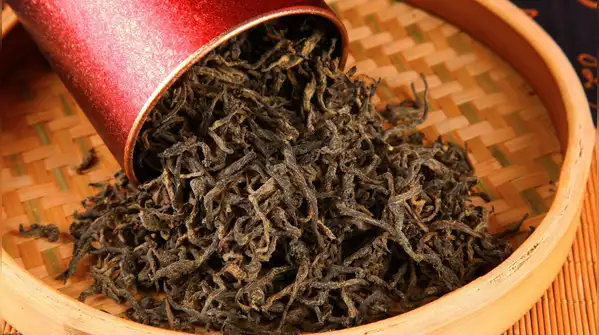
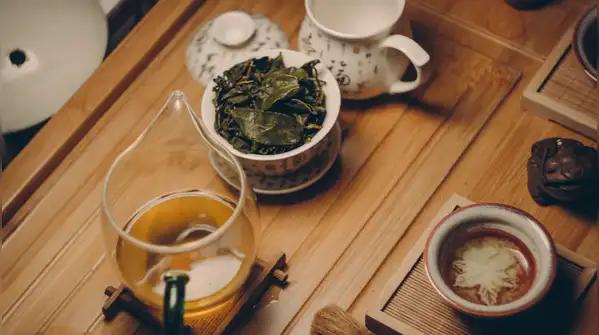
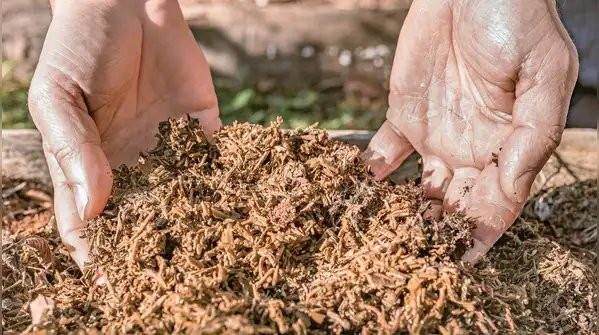
Because wet leaves can leave colour behind on light coloured surfaces, but first, test a small hidden patch,. In Japan, used leaves are called chagara. Traditional households scattered damp leaves on wooden floors or tatami, or woven flooring, before sweeping, to collect dust. The damp leaves prevent the dust from spreading and leave the room smelling a little fresher. You can also try it on a wooden floor or a washable rug by spreading the leaves, then waiting a few minutes, then sweeping.