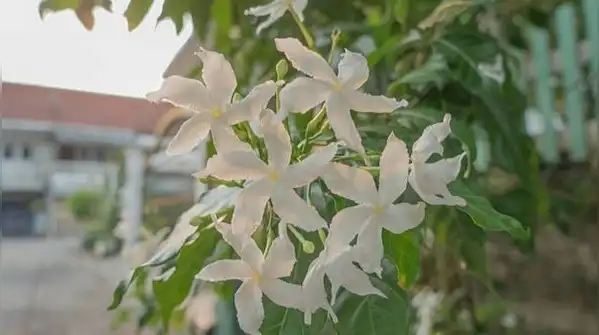
There’s a particular kind of joy that comes from stepping onto your balcony in the evening and catching that first hit of jasmine fragrance drifting through the air, the kind of smell that instantly makes a home feel a little calmer. But plenty of people who grow jasmine end up with a plant that’s more leaves than flowers, or worse, one that barely blooms at all despite genuinely trying to care for it. The good news is that jasmine isn’t actually a fussy plant once you understand what it wants, and a few small adjustments can be the difference between a plant that just survives and one that fills your whole home with fragrance every evening.
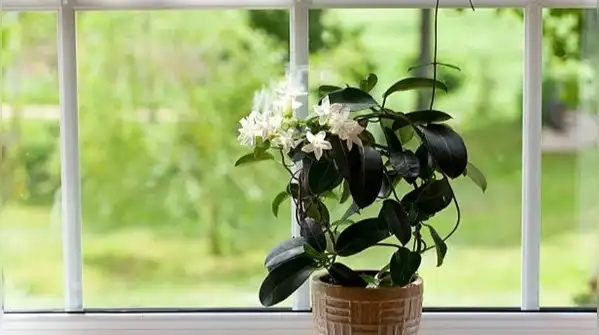
Jasmine does best in a pot with good drainage holes, paired with a light, well-draining soil mix rather than dense, compact garden soil that holds onto water for too long. A mix of regular potting soil, compost, and a bit of coarse sand or perlite creates the kind of loose, breathable environment jasmine roots actually prefer. If you notice your jasmine looking consistently unhappy despite good watering and sunlight, checking whether the pot’s drainage has gotten blocked or whether the plant’s simply outgrown its current pot, is worth doing before assuming something else is wrong.
Jasmine genuinely needs a good amount of sunlight to flower well, ideally around four to six hours of direct sun daily, but that doesn’t mean parking it in the harshest afternoon rays either. A spot that gets strong morning sun followed by some gentle shade later in the day tends to work best, especially in hotter regions where intense afternoon heat can stress the plant more than help it. If your jasmine’s producing plenty of green growth but barely any flowers, insufficient sunlight is very often the actual culprit, so moving it to a brighter spot is usually the first thing worth trying. A jasmine plant that isn’t fed properly will often survive just fine but rarely flower as generously as it could. Feeding it with a phosphorus-rich fertiliser, the kind typically marketed for flowering plants, once every three to four weeks during the growing season, encourages more blooms rather than just more leafy growth. It’s worth easing off on nitrogen-heavy fertilisers specifically, since too much nitrogen tends to push the plant toward producing lush green foliage at the expense of the flowers you’re actually hoping for. Jasmine tends to flower best on newer growth, which is exactly why regular pruning makes such a noticeable difference over time. Trimming back the plant lightly after a flowering cycle ends encourages it to put out fresh new shoots, and those new shoots are where the next round of flowers will actually come from. A jasmine plant that is left to grow wild and untamed for too long will often result in a leggy, sparse-looking plant, with flowers clustered only at the very tips, rather than a fuller plant that blooms more generously all over.